


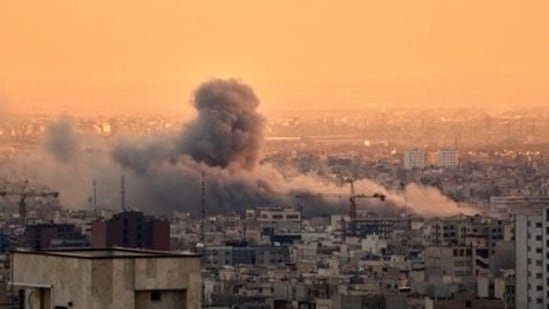
A month into the conflict involving the US, Israel and Iran, there is little sign of de-escalation, with military action continuing across multiple fronts and diplomatic efforts yielding limited progress.
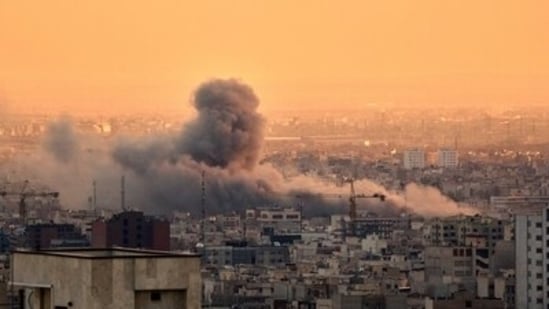
One of the key reasons the conflict continues is the lack of alignment on end goals. According to a BBC News report, US President Donald Trump has signalled varying objectives: from curbing Iran’s nuclear programme to pushing for political change in Tehran.
Iran, however, has refused to concede on critical issues such as its missile programme and regional alliances. As the BBC notes, Tehran wants the war to end quickly, but “not at any price,” particularly if it involves yielding to US demands.
Israel, meanwhile, is focused on dismantling Iran’s missile capabilities and limiting what it sees as an existential threat, making a ceasefire less likely.
Also Read: ‘We’ve had an exchange…’: Marco Rubio reveals whether Iran has replied to US proposal
Why have diplomatic efforts failed so far?
Indirect talks between the US and Iran had shown some progress earlier this year, particularly on nuclear concerns. However, as reported by BBC News, negotiations stalled because Iran would not discuss its ballistic missile programme or support for regional proxy groups.
The The New Humanitarian also reported that while backchannel communication may be ongoing, possibly through intermediaries like Pakistan. The status of any meaningful negotiations remains unclear.
Without agreement on core issues, diplomatic channels have failed to produce a breakthrough.
Also Read: What do US and Iran want as uncertainty looms over negotiations amid war? A list of demands
How is ongoing military escalation sustaining the conflict?
Fighting has continued across the region, with Iran maintaining missile and drone attacks on Israel and Gulf countries.
According to The New Humanitarian, these strikes have extended beyond Israel, with incidents reported in places like Abu Dhabi.
Israel has expanded its military operations as well, including plans to establish a “defensive buffer” in southern Lebanon. Hezbollah has vowed to continue fighting “without limits,” further worsening the conflict.
At the same time, reports indicate the US is considering deploying additional troops to the region.
What role do regional tensions and alliances play?
The conflict has drawn in multiple regional actors, complicating efforts to contain it. Gulf countries including Saudi Arabia, the UAE, and Qatar have expressed concern over attacks linked to Iran-backed forces, according to The New Humanitarian.
Iran has also warned that commercial sites linked to US interests could be targeted, raising fears of further escalation.
Why is there no clear exit strategy yet?
Iranian authorities reported at least 1,900 deaths in the first four weeks, as cited by The New Humanitarian. Despite mounting casualties, none of the main parties appear ready to back down.
The US faces pressure to show results, Iran seeks to project resilience, and Israel aims to weaken its adversary’s military capabilities.
With each side pursuing different outcomes, the conditions necessary for ending the war remain absent.
