


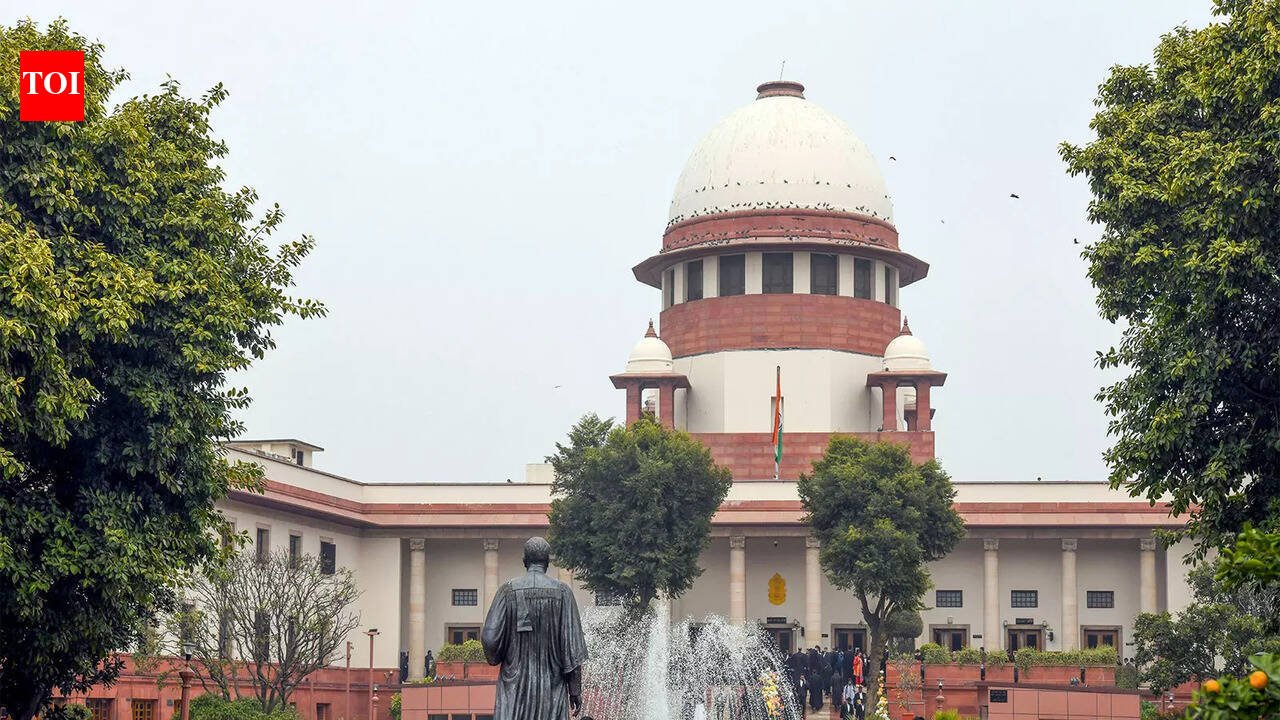
NEW DELHI: Supreme Court has rebuked trial and high courts for disclosing the identity of rape survivors in their orders and directed them to ensure that names of survivors and family members are not mentioned in court records, reports Amit Anand Choudhary.A bench of Justices Sanjay Karol and N K Singh expressed concern that despite statutory safeguards and repeated directions from SC, such lapses persist. The court made the observation while convicting a rape accused, noting that the name of the minor survivor was mentioned in lower court orders.“The legislature had as far back as 1983 introduced a provision into IPC seeking to protect the identity of the victim of the offence under Section 376 IPC. The amendment was made apparently to address a specific mischief that emerged starkly from the way sexual offence cases were handled: the public disclosure of a survivor’s identity.”Morality won’t guide court for protection of citizen’s rights: HCThe court rejected the argument of the woman’s family. “There is no offence of the kind where a married man, staying with an adult in a live-in relationship, by consent of the other person, can be prosecuted for any offence whatsoever,” the bench said. “Morality and law have to be kept apart. If there is no offence under the law made out, social opinions and morality will not guide the action of the court for protecting the rights of citizens.”The couple told the court that the woman’s family members had threatened her with death and they feared an honour killing attempt. The district police chief allegedly took no action.The court reminded the authorities that it was the fundamental duty of police to protect two adults living together. Finding a prima facie case, the bench admitted the petition, issued notices to respondents, and granted the state counsel two weeks to file a counter-affidavit.Granting immediate interim relief to the couple, the court also directed that the petitioners not be arrested “until further orders”. The case against the man had been registered under Section 87 of BNS, which criminalises kidnapping, abduction or inducement of a woman to compel her into marriage or illicit sexual relations, with penalties of up to 10 years’ imprisonment and fines.To ensure protection, the court restrained the informant and all members of the woman’s family from causing any harm to the couple in life or limb, from entering their home and contacting them directly, through electronic means, or through others. The district SP would be personally responsible for ensuring the petitioners’ safety and security, the court said.
