


New Delhi , March 27 : India on Friday reiterated its urgent call for the preservation of safe and uninterrupted maritime transit through the Strait of Hormuz, emphasising that international law must be upheld amidst the deteriorating security situation in West Asia. The government confirmed it is maintaining a vigilant watch over regional volatilities to protect national energy interests.
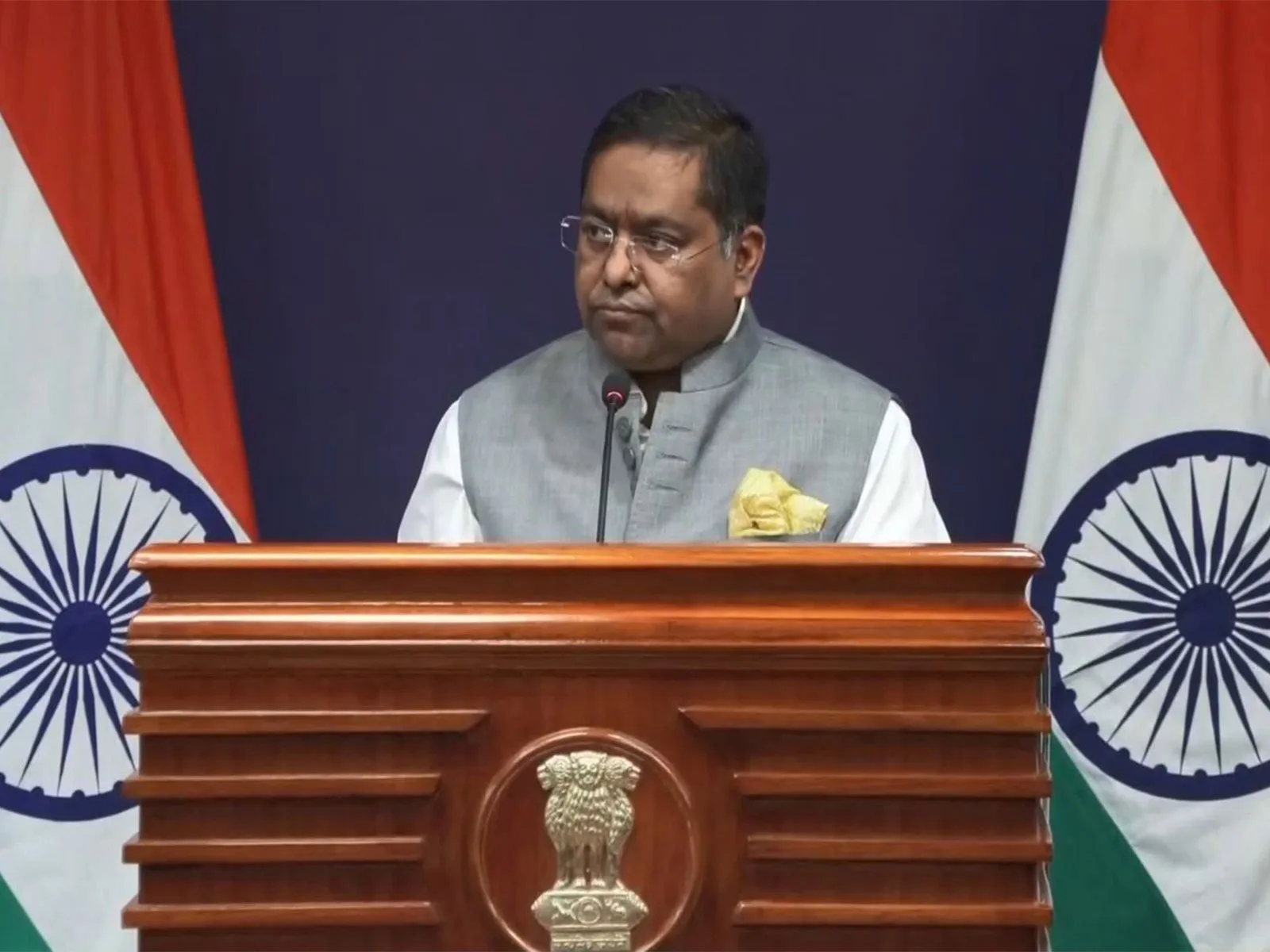
During the weekly media briefing, Ministry of External Affairs (MEA) spokesperson Randhir Jaiswal stated that New Delhi is actively coordinating with global partners to ensure stability.
“We are closely following all developments in West Asia. We continue to call for ensuring safe and free navigation through the Strait of Hormuz as a matter of priority,” Jaiswal noted.
Providing a significant update on maritime safety, the spokesperson revealed that four Indian-bound vessels transporting liquefied petroleum gas (LPG) successfully navigated the strategic chokepoint.
“We have kept you informed about the Indian ships that have so far crossed the Strait of Hormuz. Four ships, loaded with LPG, have arrived in India after safely crossing the Strait of Hormuz a few days ago. We continue to remain in touch with all concerned countries to ensure safe passage and meet our energy requirements,” he added.
Regarding the broader strategy for securing fuel supplies, Jaiswal explained that India’s procurement decisions are dictated by the domestic demand of its 1.4 billion citizens and prevailing international conditions.
“Our approach is based on the imperative to meet the needs of our people, market conditions, and the global context. These remain the guiding principles,” he stated, while referring specific technical queries to the petroleum ministry.
This focus on regional stability coincides with high-level diplomatic efforts currently underway in Europe.
External Affairs Minister S Jaishankar is presently in France for the G7 Foreign Ministers’ Meeting on March 26-27, where he has engaged in a series of bilateral discussions with counterparts from France, Canada, South Korea, Japan, Brazil, the United Kingdom, Germany, and Ukraine.
During the summit, the minister pushed for a comprehensive overhaul of international institutions to better reflect modern realities.
Jaishankar highlighted the “need for reforms in global governance, including urgent changes to the UN Security Council, streamlining peacekeeping operations, and strengthening humanitarian supply chains,” while also championing the concerns of the Global South regarding food and energy security.
Addressing the economic fallout of the West Asia crisis in a separate session, the minister warned of the persistent “uncertainties” threatening global commerce.
He called for the establishment of more “resilient trade corridors and supply chains” to mitigate the impact of the ongoing conflict on international markets. (ANI)
