


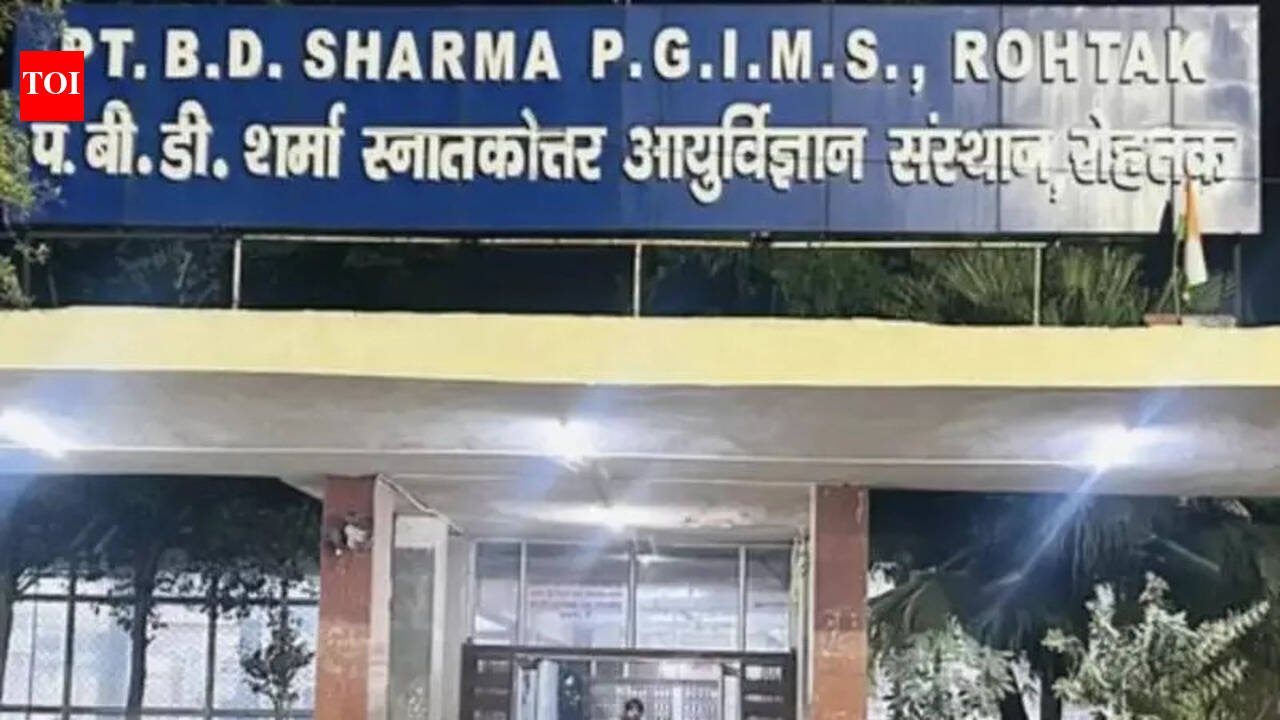
Rohtak: The Post Graduate Institute of Medical Sciences (PGIMS), Rohtak, has treated nearly 37,000 hepatitis B and C patients since 2013 through a combination of early diagnosis, sustained treatment, and public awareness. Dr Praveen Malhotra, head of the department of medical gastroenterology at the PGIMS, said a significant number of cases were being identified through blood donation camps and routine screenings conducted at healthcare centres across the state.He said nearly 2,500 patients were being detected every month at the PGIMS alone, while the number rises to around 5,000 cases per month across Haryana.On an annual basis, approximately 30,000 individuals are screened at the PGIMS, Rohtak, whereas across the state, the number reaches nearly 60,000. Dr Malhotra emphasised that the apparent increase in cases was primarily due to expanded screening efforts, which were bringing previously undiagnosed patients into the system.Gender-wise data shows a higher prevalence among men, accounting for about 65% of the cases, while women constitute around 35%. The relatively higher screening among women is largely due to mandatory testing during pregnancy and pre-delivery check-ups.A rural-urban gap is also evident, with a greater number of cases being reported from villages, indicating gaps in awareness, sanitation, and access to healthcare.In terms of age distribution, most patients fall within the 30 to 50-year age group, raising concerns as this represents the most economically productive segment of the population.Dr Malhotra noted that earlier screening and awareness were limited and testing was expensive, which kept many cases undiagnosed. With aggressive awareness campaigns, free testing, and govt directives for wider screening more people are now coming forward for tests, leading to a rise in detected cases.Jagmal Narwal, a resident of Rithal village in Rohtak, recalls how he initially dismissed his symptoms as minor jaundice. “I started treatment at the medicine department of the PGIMS, but I did not feel much relief. Later, doctors advised specific tests, which confirmed hepatitis. I then consulted Dr Praveen Malhotra. With proper treatment and guidance, I recovered completely within six months. Today, I am absolutely fine,” he says.Another patient, Surender Kumar from Delhi, shares a longer and more complex journey. He was diagnosed with hepatitis B in 2010, but remained unaware of the seriousness of the condition. “I later learned that PGIMS Rohtak offers specialised treatment. I came here in 2016 and started treatment under Dr Malhotra. Hepatitis B may not be completely curable, but with regular medication, I am living a normal life. My treatment is still ongoing,” he explains. Surender has since taken it upon himself to spread awareness, encouraging others to get tested and seek timely care.Since 2013, the PGIMS Rohtak has played a pivotal role in combating hepatitis under govt-backed initiatives. What began as the “Jeevan Rekha” programme, later evolved into a larger public health effort, ensuring affordable—and eventually free—treatment. Today, patients can access extensive diagnostic tests and medication at no cost, often after registering with a nominal Rs 5 card.
