


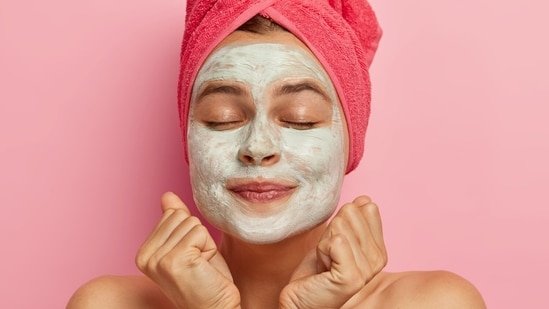
Homemade remedies made with kitchen ingredients have been deeply revered, passed down from mothers and grandmothers over generations. Even today, they are widely spotlighted on Instagram reels by influencers. These face packs, made with everyday cooking ingredients, may sound affordable and come with the appeal of being ‘natural.’ But is this really the right way to care for your skin?
We spoke to Dr Kashish Kalra, hair transplant surgeon and founder of Dr Kalra Skin Clinic, who explained what’s safe and what’s dangerous when it comes to DIY skincare.
Why DIY skincare should be a matter of concern?
The dermatologist urged people to exercise caution, even as these remedies become very popular. “While it may seem natural and harmless, dermatologists often strongly discourage these remedies,” he noted, adding that DIY skincare is not recommended by experts. ”Many patients end up with damaged skin barriers, irritation, and worsening pigmentation,” Dr Kalra highlighted the risks.
Ingredients you should avoid completely
There are some ingredients that can be used for skin rejuvenation, but the dermatologist highlighted a rule set in stone: “Despite the ingredients being suitable in some form or other, they still are not a replacement for proper skincare.”
Here are some of the ingredients which Dr Kalra approved of:
1. Turmeric (Haldi)
- Use in very small quantities
- Contains beneficial compounds (like tetrahydrocurcumin)
- Has mild anti-inflammatory properties
2. Oatmeal
- Gentle and soothing
- Supports irritated or sensitive skin
3. Honey
- Mild antibacterial properties
- Can help with temporary hydration
4. Yoghurt / sour milk
- Contains lactic acid
- Provides gentle exfoliation and mild brightening
5. Aloe vera
- Has anti-inflammatory and soothing effects
- Useful for calming the skin
In the end, the dermatologist reiterated that even these “safe” ingredients only offer a temporary glow and cannot replace real treatments or scientifically formulated skincare. It is high time you remove these homemade DIY face packs from the pedestal and rethink how you care for your skin.
Note to readers: This article is for informational purposes only and not a substitute for professional medical advice. Always seek the advice of your doctor with any questions about a medical condition.
