


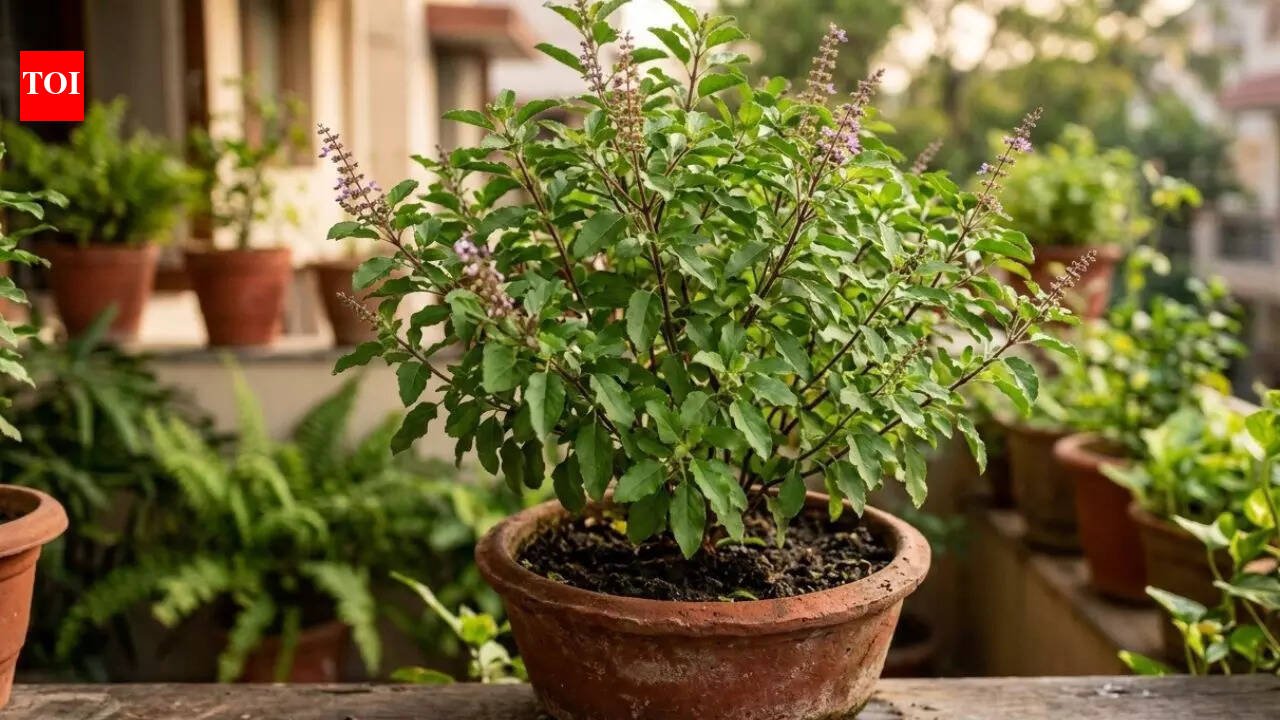
Tulsi, also called holy basil, is one of the most popular plants to be cultivated in Indian households. While its popularity can be attributed to its cultural and medicinal significance, it is also because it is an easy-to-maintain plant. However, many people face a common issue with growing Tulsi in their gardens. The issue is that its leaves tend to turn yellow. This happens even when the plant appears to be in good health. The reason why the leaves tend to turn yellow is that something in its maintenance routine is not going right. Be it water usage or sun exposure, a number of things can impact its health.
Why Tulsi leaves turn yellow
In the case of Tulsi plants, yellow leaves usually imply stress. Overwatering is one of the primary causes. Overwatering causes stress to the plant by damaging the roots. This damages the roots to such an extent that they cannot obtain the required amount of oxygen.Another major reason for the yellow leaves on Tulsi plants is the absence of sunlight. Tulsi plants require a lot of sunlight to perform the process of photosynthesis. This absence of sunlight causes the leaves to lose their green colour and become yellow. The quality of the soil and unexpected weather conditions also cause this.
Watering tips to keep Tulsi healthy
Watering is a crucial aspect of Tulsi plant care. The plant thrives in slightly moist soil. However, it does not do well in waterlogged soil. A simple way of knowing when to water the plant is by checking the soil. If the soil on the surface feels dry, it is time to water the plant.One has to be very careful not to overwater the plant. The rate of watering has to be slower in the cooler months, but in the warmer months, more frequent watering is required. The excess water has to drain out of the pot.
Sunlight and ideal placement
Tulsi requires bright sunlight. Therefore, it should be placed in a spot that receives at least five to six hours of direct sunlight. Keeping the plant in a shaded place or indoors will weaken the plant, causing the leaves to turn yellow.The best place to put the Tulsi plant is on the balcony, on the terrace, or at a window that receives sunlight. Good air circulation is also essential to prevent fungal growth on the plant.
Soil quality and drainage matter
The type of soil used is also an important factor in maintaining the health of the plant. Tulsi thrives in well-draining soil that facilitates water passage with some moisture content. Garden soil with added compost and sand/cocopeat can be used.The next important factor is the type of pot used to plant the Tulsi. Always ensure that you use a pot with drainage holes to avoid water accumulation in the pot. This is one of the major reasons for root rot and yellowing of the leaves.
Nutrients and regular maintenance
Tulsi plants also need to be fed with organic fertilisers. This can be done by adding compost or vermi-compost to the plants at regular intervals.Pruning is also an essential practice. This involves removing the yellow and dry leaves on the plant. This would help the plant to grow new leaves. This also allows good ventilation and prevents any plant diseases.
Protecting Tulsi from pests and environmental stress
Pests like aphids, whiteflies, and mites can also affect Tulsi leaves and cause them to turn yellow. Inspecting the plant can also be helpful in identifying any problems with the plant. Neem oil spray can be used to deal with pests in an effective manner.Environmental stress is another point to be considered. Tulsi can be kept in an environment where temperatures do not fluctuate and there are no strong winds.
Simple habits to prevent yellow leaves
The secret to a healthy Tulsi plant is to maintain a routine. Water your plant only when necessary, provide adequate sunlight, and use healthy soil. These are some minor steps that will show a big difference. Occasionally, you may need to loosen the soil a bit. You may also need to turn your pot to allow adequate sunlight.A routine will allow your Tulsi plant to adjust to its conditions. With adequate sunlight, water, and healthy soil, your Tulsi plant will be healthy and green throughout the year.
