


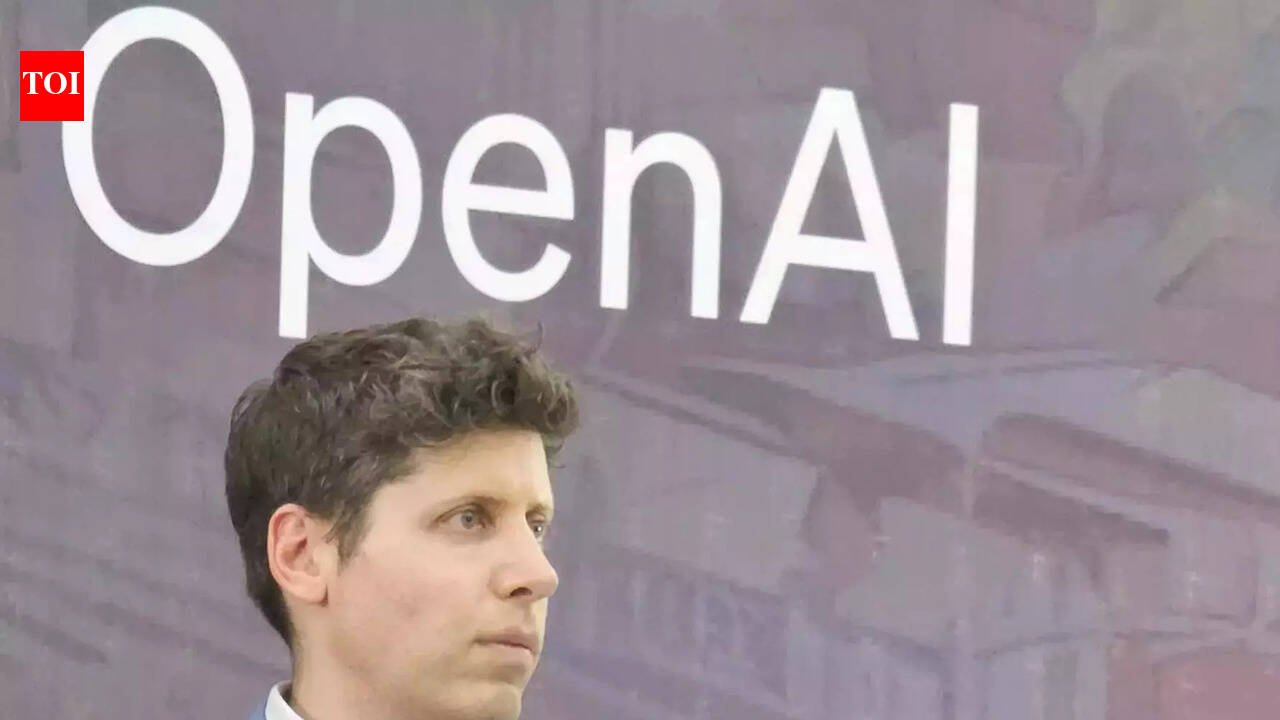
OpenAI is reportedly preparing for an aggressive hiring drive, planning to grow from approximately 4,500 employees today to around 8,000 by the end of the year, which translates to adding about 12 new hires every single day. Citing two people with direct knowledge of the matter, a report by The Financial Times says that the recruitment push is central to a new strategy as the ChatGPT-maker faces pressure from two of its biggest competitors: Anthropic, which is said to be pulling ahead with business customers, and Google, which is mounting a challenge for everyday chatbot users.
What will OpenAI’s new hirings will do
According to the report, the bulk of the new roles will span product development, engineering, research and sales. The company will ramp up hiring of what it calls “technical ambassadors” who are specialists embedded within businesses to help them get more value out of OpenAI’s tools. Both OpenAI and Anthropic are working to build out forward-deployed engineering teams as a way to deepen relationships with enterprise customers and generate more reliable revenue. To accommodate its growing workforce, OpenAI has signed a new office lease in San Francisco.
OpenAI’s ‘Anthropic problem’
According to card and billing data from more than 50,000 customers of payments startup Ramp, first-time business buyers of AI are currently choosing Anthropic at three times the rate of OpenAI. But OpenAI pushed back hard on that data. A company spokesman called the methodology “insane,” arguing that enterprise clients do not pay for multi-million dollar contracts with credit cards and are unlikely to use Ramp at all. “It’s a bit like saying global lemon sales can be calculated based on my kid’s lemonade stand,” he said.
OpenAI’s ‘Code Red’
The competitive pressure has triggered a visible discomfort at OpenAI. Late last year, CEO Sam Altman issued what was described internally as a “code red” – telling employees to refocus on ChatGPT, the core product that made OpenAI famous, after Google Gemini 3.0 success.Earlier this month, Fidji Simo, who runs OpenAI’s applications business, urged staff to abandon what she called “side quests” and concentrate on three priorities: improving the company’s coding model Codex, winning over business customers, and transforming ChatGPT into a genuine productivity tool.Separately, OpenAI is said to be in talks with private equity firms to launch a joint venture that would deploy its products across PE groups’ portfolio companies.
Risks that OpenAI faces
The report said that one investor in OpenAI summed up the challenge: with Google competing aggressively for chatbot users and Anthropic deeply embedded with businesses, OpenAI risks ending up “in no man’s land”, which is, not dominant in either segment.
