


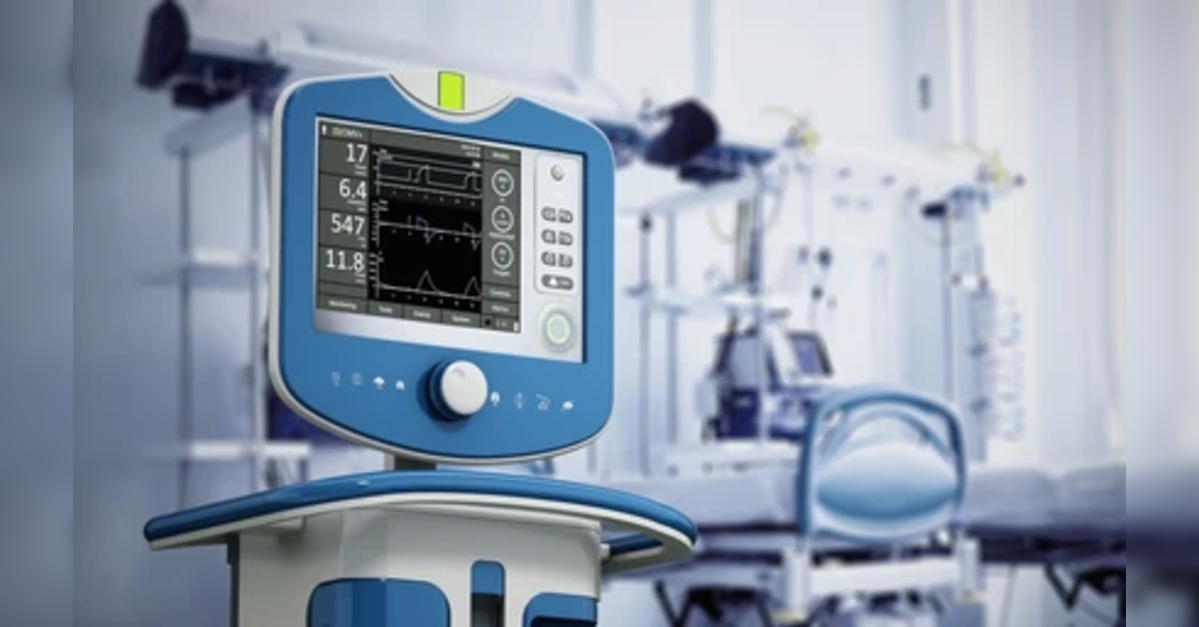
In a remote district of Wayanad, Kerala, patients with chronic kidney disease had no choice but to make exhausting, debt-inducing journeys to metro cities for dialysis, a procedure they needed multiple times a week. A refurbished dialysis machine at a local hospital changed that overnight, enabling life-saving care without major disruption to their routines and livelihoods.
This is not an isolated story, but one that was being played out in multiple tier 2 and 3 cities in India including Kanpur, Ranchi, Imphal, Guwahati. Unfortunately, the recent impasse on imports of refurbished medical equipment without a clear regulatory framework has put progress at risk.
Demonstrated Impact: Findings from Across India
India is rightly celebrated as a medical tourism destination, a country of extraordinary clinical talent and world-class tertiary care, but that excellence is concentrated. Over 65% of India’s population, nearly a billion people, lives in semi-urban, rural, and remote areas, yet most of the advanced medical infrastructure remains in urban centres.
For hospitals in tier 2 and 3 cities, acquiring advanced medical equipment is financially unattainable, with the result that patients need to travel, delay, and often forgo treatment altogether. Refurbished medical devices, certified to meet international safety and performance standards, offer a credible solution. At 30 to 70% lower cost than new equipment, they allow smaller hospitals to deploy advanced diagnostics and treatment capabilities that would otherwise remain beyond reach.
An AHPI survey conducted in 14 states of the country found that across majority of hospitals in tier 2 and 3 cities already using refurbished devices, 85% reported improved access to advanced technologies with operational cost reductions of 50 to 80%. Indeed, the cost for an MRI scan drops by about 35% when done on a refurbished machine versus new equipment. For families in smaller towns, that difference is not marginal, as it determines whether they even get diagnosed or not.
Quality and the Regulatory Imperatives
Concerns about quality and patient safety are the most common objection raised against refurbished devices. High-quality refurbishment is a structured, documented process including controlled disassembly, replacement of worn components, software and hardware verification, restoration to OEM specifications, and rigorous performance testing before installation. The focus must be on verified safety and performance, not on how long the device has been in use. Hospitals surveyed by AHPI reported strong satisfaction with the performance and dependability of their refurbished equipment. Hardly surprising that CDSCO has signalled a constructive approach, recognising that domestic manufacturing and refurbished imports can coexist in a well-regulated market. What is now needed is for these signals to translate into a clear, time-bound regulatory pathway that establishes quality benchmarks for safe and secure deployment of refurbished imported medical equipment.
A Balancing Act: Refurbished Imports and Domestic Manufacturing
The concern that refurbished imports could undercut indigenous manufacturing deserves an honest evaluation. India’s domestic medical device industry has made remarkable strides, growing to approximately USD 18 billion by 2024 and achieving nearly 30% domestic manufacturing market share. This progress, underscored by the production of India’s first fully indigenous MRI machine, represents a trajectory that should be celebrated and supported. Yet significant gaps remain as imports still account for approximately 75% of medical devices sold in India, and in high-end segments, domestic manufacturing at the required scale is still developing. It is precisely in these categories that refurbished imports play an irreplaceable role. Permitting them where domestic capacity has not yet caught up does not undercut indigenous manufacturing but complements it, filling gaps that currently leave millions without access to care.
Ultimately, this is about ensuring that every Indian citizen, regardless of where they live, receives the care they need at an affordable price. India’s real progress in extending healthcare to its smaller towns has been significantly aided by refurbished medical devices, a contribution we cannot afford to diminish. A robust regulatory framework that prioritizes both quality and access must be established, allowing refurbished medical devices and a thriving domestic industry to collaboratively build the healthcare system every Indian deserves.
The article is written by Dr. Giridhar J Gyani, Director General, Association of Healthcare Providers (India).
(DISCLAIMER: The views expressed are solely of the author and ETHealthworld.com does not necessarily subscribe to it. ETHealthworld.com shall not be responsible for any damage caused to any person/organisation directly or indirectly)
