


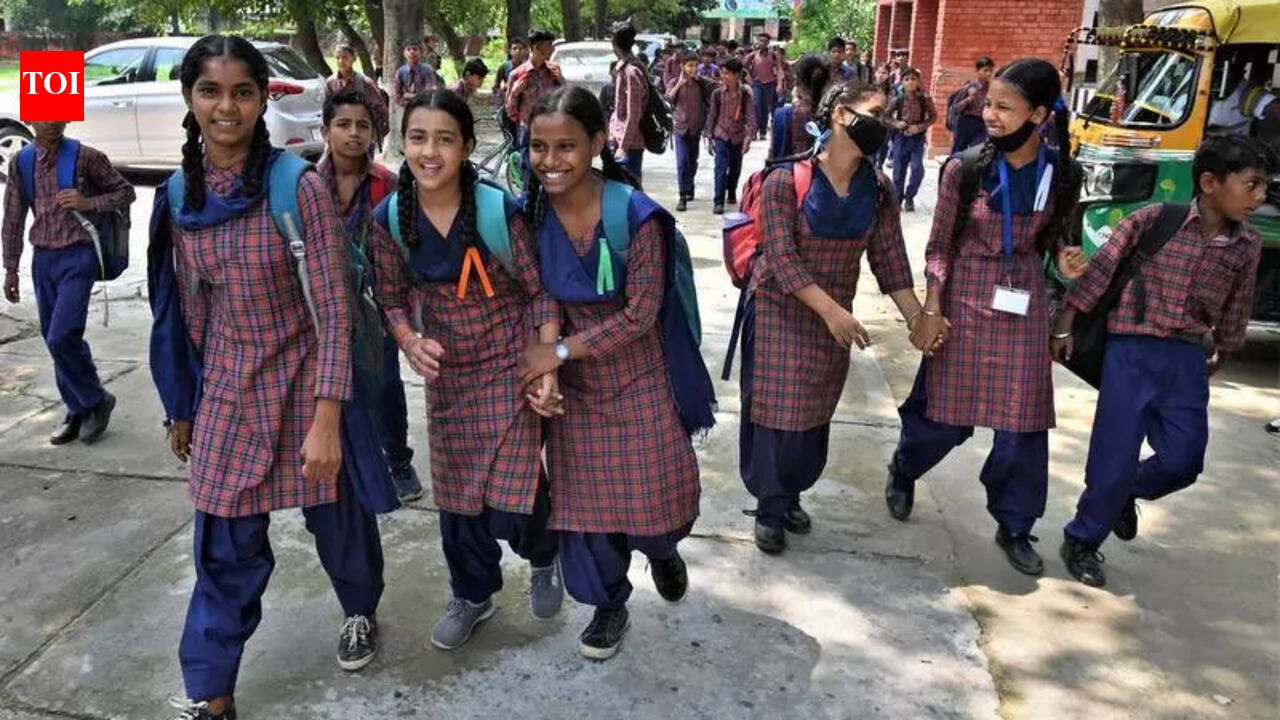
Chandigarh: A performance audit has flagged significant gaps in Punjab’s school education system, highlighting weaknesses in planning, shortages of teachers and academic staff, and uneven student retention across several stages of schooling.The audit, covering the period from 2018–19 to 2022–23, examined the implementation of the Right of Children to Free and Compulsory Education (RTE) Act, 2009, and assessed key aspects such as the delivery of quality education, pupil–teacher ratio (PTR) and the availability of human resources.One of the key concerns raised was inadequate planning within the School Education Department. The audit found that none of the government schools prepared a School Development Plan during the review period as mandated under the RTE Act, the Samagra Shiksha framework and the Punjab RTE Rules, 2011.The report noted mixed trends in student retention. At the elementary level, retention fluctuated between 81% and 97%, while at the secondary level it ranged between 77% and 90% during 2018–19 to 2022–23. A sharper fall was observed at the higher secondary level, where retention dropped from 106% in 2018–19 to 66% in 2022–23.Shortages in academic institutions responsible for curriculum development and teacher training were also highlighted. As of March 2023, the State Council of Educational Research and Training (SCERT) faced a shortage of 72% academic staff, while District Institutes of Education and Training (DIETs) reported an 88% shortage against the sanctioned organisational structure prescribed by the Union ministry of education. DIETs also had a non-academic staff shortage of over 61%.The audit observed that SCERT had not prepared an annual training calendar for in-service teachers and had neither developed a Training Management System nor maintained training records.The report also raised concerns over efforts to mainstream out-of-school children. Of the 16,114 children identified as out of school, only 71% received the required special training and only 74% of those trained were mainstreamed into regular schooling. There was also no monitoring mechanism to track whether these children completed their education.Teacher shortages were found to be widespread. The Master cadre across disciplines had vacancies of up to 60%, while the Lecturer/PGT cadre faced a shortage of 52%, leading to an overall shortfall of 32% in Classes XI and XII. Shortages were also reported among vocational teachers in trades such as Private Secretary (73%), Automotive (54%), Construction (49%) and Healthcare (22%).The shortage of teachers affected pupil–teacher ratios in schools. The share of primary schools with adverse PTR rose from 4.77% in 2019–20 to 30.02% in 2022–23. For children with special needs, the ratio of special educators ranged between 156:1 and 175:1 during the audit period, far above the prescribed norms of 10:1 and 15:1 under the RTE Act.Infrastructure gaps were also reported. Between 23% and 30% of schools had more than one teacher sharing a classroom, despite RTE provisions requiring separate classrooms for each teacher along with an office-cum-store-cum-head teacher’s room.The audit also found that the monitoring mechanism for Continuous and Comprehensive Evaluation (CCE) had not been implemented effectively. It recommended that the state government ensure preparation of School Development Plans, fill teaching and non-teaching vacancies, maintain prescribed PTR norms and strengthen monitoring of the CCE system through regular review of students’ answer sheets by DIETs. By the numbers72% shortage of academic staff at SCERT88% shortage of academic staff at DIETsUp to 60% vacancies in Master cadre teachers52% shortage in Lecturer/PGT cadre30.02% primary schools had adverse pupil–teacher ratio in 2022–23 (up from 4.77% in 2019–20)156:1 to 175:1 special educator–student ratio for children with special needs (norm: 10:1–15:1)
