Blueberries may be tiny, but they pack a powerful nutritional punch. Many people love adding a handful to their morning yoghurt or smoothies, thanks to their sweet flavour and impressive antioxidant profile. However, these little berries can also be surprisingly expensive, which makes it important to ensure you are getting the maximum health benefits for what you pay. From frozen and fresh to dried, and even organic versus non-organic options, the variety you choose can make a real difference in both nutrition and value.
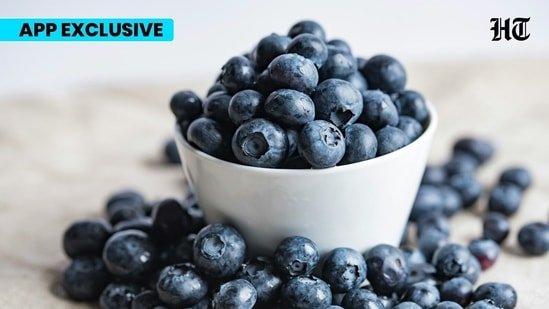
Fresh, dried or frozen? Read more to find out which blueberry option is the best! (Unsplash)
Zib Atkins, a longevity and health optimisation coach, certified clinical nutritionist and NHS health trainer, and the co-founder of Ayus Wellness Ltd, is breaking down the science behind choosing the best option when it comes to buying blueberries. In an Instagram video shared on March 13, the nutritionist highlights, “Most people think that fresh blueberries are the best. I think that’s wrong. Let me explain why and which of these three (fresh, dried, and frozen) is really the best for your health, for your brain, and saving you some money, too.”
Blueberries are packed with nutrients
According to Zib, blueberries are among the most nutrient-dense fruits on the planet. Packed with powerful compounds and polyphenols, they help stimulate the growth of new brain cells – a process known as neurogenesis – which plays a key role in supporting cognitive function and keeping the mind sharp.
He explains, “Blueberries are one of the most nutrient-dense fruits on the planet. They’re packed with something called pterostilbene, which stimulates neurogenesis, which is the growth and birth of new brain cells. It’s similar to resveratrol, but far more potent.”
However, despite their impressive health benefits, blueberries can be quite expensive. This makes it important to choose the right option so you can maximise their nutritional value while getting the best value for your money. Zib explains which option is best: dried, fresh, or frozen blueberries.
Dried blueberries
Zib points out that most varieties of dried blueberries are often coated in added sugar or concentrated apple juice, which significantly reduces their health benefits. In addition, the drying process can diminish a large portion of their polyphenol content, meaning much of their nutritional goodness is lost along the way.
The nutritionist explains, “First up is dried. Now, the problem with these is that most are coated in sugar or concentrated apple juice. Plus, they’re dehydrated. They’ve not got as much water, so they’re not as filling. And research has shown that the drying process reduces the polyphenol content, like resveratrol, massively by more than 50 percent in most cases.”
Fresh blueberries
Zib highlights that the main issue with fresh blueberries is that they begin to lose nutrients quickly while sitting on supermarket shelves. While berries picked straight from the bush and eaten immediately would offer the highest nutrient density, the same cannot be said for blueberries that have spent days – or even weeks – in storage before reaching your plate.
He explains, “Next up is fresh. Now, yes, if you were picking these straight off of the bush, they’d be maximum in terms of nutrient density, but in the supermarket, they’re sitting there for days, if not weeks, and that plummets right down.”
Frozen blueberries
Zib emphasises that when blueberries are frozen at the source, they are able to retain the maximum amount of polyphenols. In fact, some research even suggests that the polyphenol content may increase during the freezing process. For this reason, he recommends opting for frozen blueberries to get the best nutritional value for your money.
He explains, “Third, you got frozen. Now, when these are frozen at source, they maintain maximum nutrient density, meaning you’re getting the best value for money. Research has even shown their polyphenol content goes up when they’re frozen, too. So, what’s the best option? Go frozen.”
Organic or non-organic?
The nutritionist recommends opting for organic blueberries whenever possible, as conventionally grown varieties are among the fruits most heavily sprayed with pesticides – a factor that can ultimately be harmful to your health.
Zib stresses, “Just remember, always choose organic because non-organic blueberries are one of the most heavily sprayed fruits on the market. And that kind of stuff isn’t good for your health.”
Note to readers: This article is for informational purposes only and not a substitute for professional medical advice. It is based on user-generated content from social media. HT.com has not independently verified the claims and does not endorse them.