


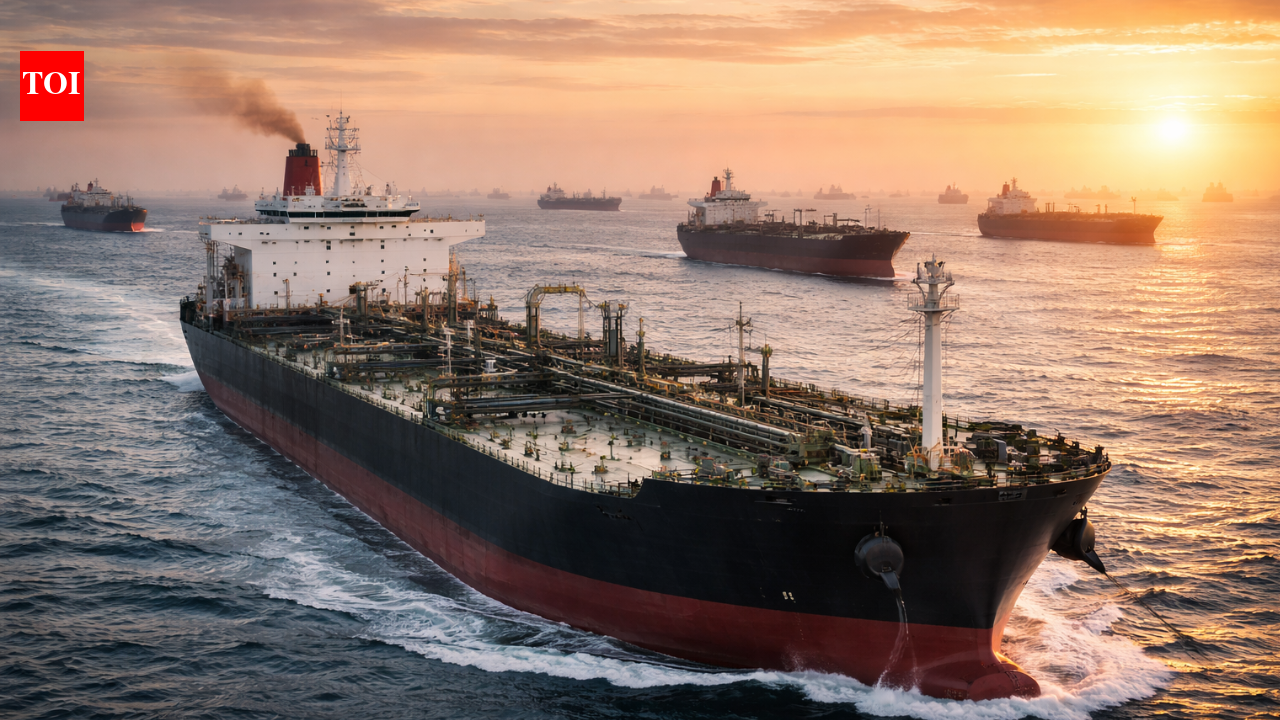
Amid the rising oil prices as the Iran conflict continues to escalate, the Trump administration is considering the idea of suspending a key maritime law that requires American ships be used to transport between US ports.“In the interest of national defense, the White House is considering waiving the Jones Act for a limited period of time to ensure vital energy products and agricultural necessities are flowing freely to US ports,” White House Press Secretary Karoline Leavitt said in a statement, as quoted by Bloomberg, but clarifying that, “This action has not been finalised.”The proposal comes as Donald Trump weighs several measures to address the sharp surge in crude oil and gasoline prices following the ongoing conflict with Iran.In the latest on oil prices, crude jumped sharply on Thursday after Iran’s Supreme Leader Mojtaba Khamenei pledged “revenge” following strikes by the United States and Israel, while the Islamic Revolutionary Guard Corps (IRGC) warned that the strategic Strait of Hormuz would remain closed.At around 1450 GMT, international benchmark Brent crude rose 9.46 per cent to $100.68 per barrel, after briefly crossing the $100 level earlier in the trading session.On Wednesday, the administration said it would release 172 million barrels of crude oil from the Strategic Petroleum Reserve to help ease supply pressures. The move is part of a broader coordinated effort in which multiple countries plan to release around 400 million barrels of oil from their reserves under International Energy Agency (IEA).Also read: ‘We make lot of money’ – Trump on rising oil prices amid US-Iran war
What is the Jones Act
The Merchant Marine Act of 1920 (Jones Act), commonly known as the Jones Act, is a US federal law that regulates domestic shipping and maritime commerce. It requires that vessels transporting goods between US ports be built, owned and registered in the United States, and operated by crews who are US citizens or permanent residents.The law was introduced to protect and maintain a strong US maritime industry and shipping fleet. In the current situation, the White House is considering temporarily waiving the Jones Act to help address surging oil and fuel prices. A suspension would allow foreign-flagged ships to transport oil between US ports, potentially increasing supply flexibility and easing fuel shortages.The government, in the past, has temporarily waived US shipping requirementsto address fuel shortages following major storms, but such a step is often politically sensitive. The Jones Act is strongly supported by some of the country’s largest shipbuilders and vessel operators, along with their allies in Congress. On Thursday, a White House official said the Trump administration can ensure that the move would not affect the US shipbuilding industry.The US last granted a waiver under the Act in October 2022, allowing a tanker to transport supplies to Puerto Rico after Hurricane Fiona.The Biden administration had also temporarily approved an exemption for Valero Energy following a cyberattack on a major fuel pipeline along the US East Coast in 2021.
