


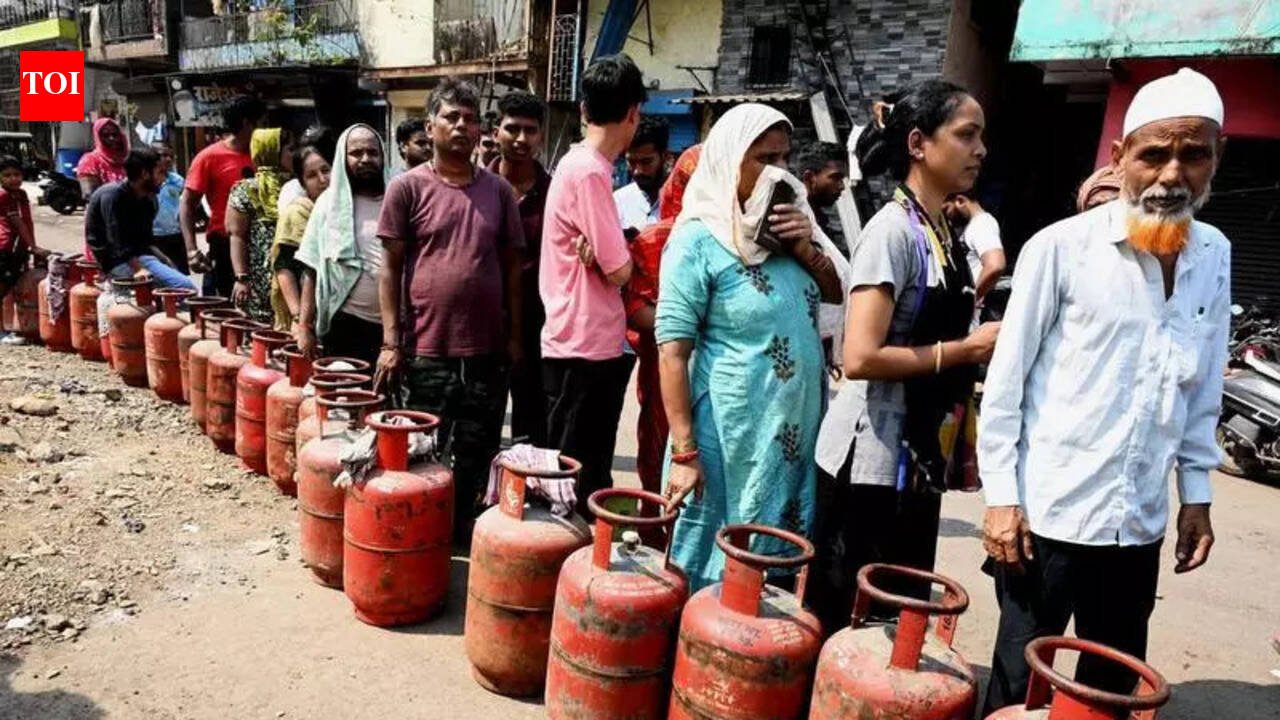
KALYAN: The US-Iran conflict is denting the fortunes of industrial operations in the wider Mumbai metropolitan region of Dombivli, Ambarnath and Badlapur with manufacturers reporting rising production costs and concerns over fuel supply.Large chemical manufacturing units here depend heavily on piped natural gas (PNG) to run their production lines. Industry representatives said Mahanagar Gas Ltd (MGL) has assured them that the supply of gas will remain stable for the next one week, but uncertainty looms thereafter. Prices of several chemical products have already risen by 25-30%, pushing up manufacturing costs. They say if PNG supply is disrupted in the coming weeks, some companies may consider switching to LDO (Light Density Oil) to keep their production units operational.However, this would require major upgrades in existing systems and infrastructure, making the transition both technically and financially challenging. Moreover, LDO itself is a petroleum product that is largely imported, meaning that if global supply chains are affected further, this option too may become unreliable.Deven Soni, president of the Kalyan-Ambarnath Manufacturers Association, said, “Prices of chemicals and several other industrial inputs have increased by around 25-30%. MGL has assured us of PNG supply for a week, but if disruptions occur later, production costs may rise.” The ripple effects are also being felt in the textile industry, particularly in Badlapur. Textile units rely on coal and bagasse, and the price of coal imported from Indonesia has increased due to the war. Shiv Kanodia, president of the Badlapur Textile Association, said, “Due to the rise in coal and chemical costs, textile industries in Badlapur have already increased the price of finished products by about 15% to offset higher production costs. The industry will review the situation after later.” Narendra Poddar, president of the Dombivli Better Environment Association and a textile manufacturer, said,”We are hoping the war ends soon. Otherwise, in coming months consumers may face a hike in prices of garments and textile products,” he said.Chemical companies depend on PNG, textile units rely on coal and bagasse, while engineering industries largely run on electricity. Several fuels and raw materials too are imported. Experts fear that if the geopolitical situation worsens, the ripple effects could disrupt industrial production across the region.
