


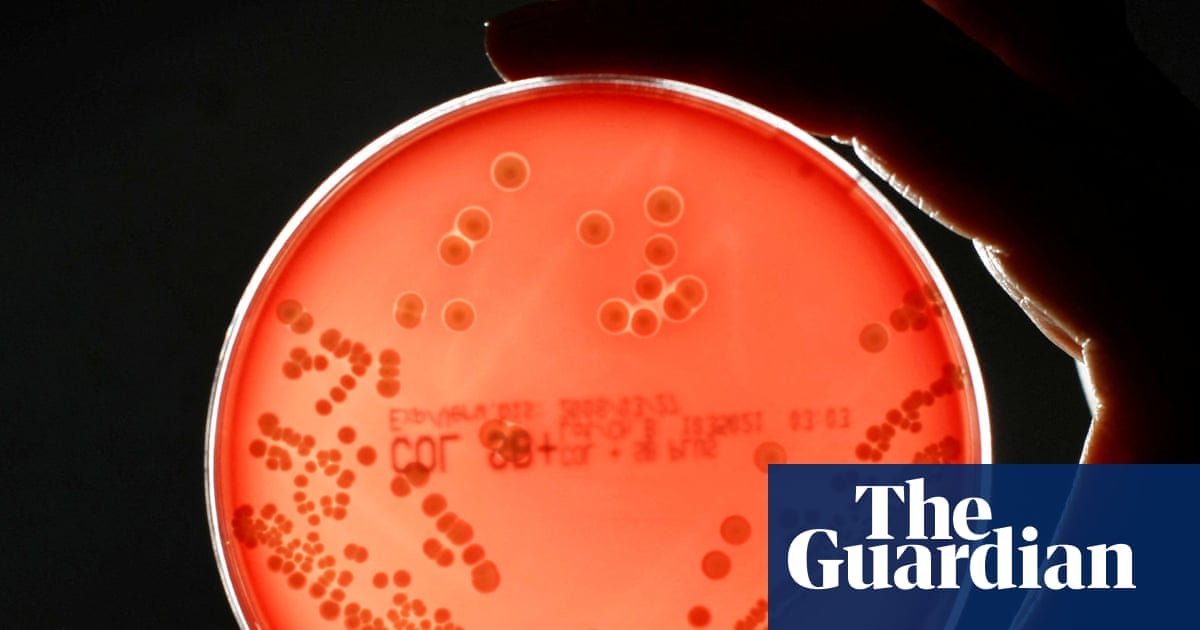
The pipeline of new drugs to fight superbugs remains “worryingly thin” and has shrunk by 35% in the last five years, experts have said, predicting the annual number of deaths linked to drug-resistant infections globally will double to 8 million by 2050.
The number of antimicrobial projects from large pharma companies has shrunk by 35% over the past five years, from 92 to 60 medicines in development, according to a report from the Access to Medicine Foundation (AMF), a Netherlands-based non-profit group, backed by the Wellcome Trust. Only five medicines are in development for children under five, who are more vulnerable to infections.
“Overall, the research and development pipeline remains worryingly thin, and industry investment has lost momentum,” said Jayasree K Iyer, the foundation’s chief executive. She described drug resistance as the biggest single threat to healthcare worldwide.
More than 1 million people die each year directly from drug-resistant infections but they contribute to 4 million deaths worldwide a year. Both figures are forecast to double by 2050 – to nearly 2 million and more than 8 million respectively.
Ara Darzi, a cancer surgeon who led an investigation into the NHS in 2024 and is executive chair of the Fleming Initiative to tackle antimicrobial resistance, said pharmaceutical companies had a “moral responsibility in underwriting the risk”, noting that infection was the second-biggest killer of cancer patients.
New therapies mean cancer can be fought, “but then sadly patients succumb to an infection that was treatable a decade ago”, Lord Darzi said at the launch of the AMF report, adding: “You don’t win a game if you have three good strikers and your defence is weak.”
The Fleming Initiative – named after the Scottish physician Alexander Fleming who discovered penicillin in London almost 100 years ago – is predicting up to 10 million deaths from drug-resistant infections by 2050.
The UK’s GSK is leading the way in antimicrobial research with 30 projects and is one of just three big pharma companies that continue to invest in this area, the report found.
The other two big players are Japan’s Shionogi and Otsuka, while the US drugmaker Pfizer, which was joint first with GSK in 2021, has fallen back.
Claudia Martínez, AMF’s director of research, said: “We don’t have enough research going into antimicrobials to outpace resistance.”
Britain’s biggest pharmaceutical company, AstraZeneca, is not included in the ranking because it does not have an antibiotic portfolio, as infectious diseases has never been its focus. The report assesses the efforts of 25 companies, including seven large research-based firms, 10 generic medicine manufacturers and eight smaller drug developers, or biotechs.
Iyer said three recently approved antibiotics and seven other promising medicines in late-stage development showed “it is possible to tilt the battle against superbugs in humanity’s favour”.
In December, the US health regulator approved the Californian biotech Innoviva’s oral antibiotic Nuzolvence to treat gonorrhea, as well as GSK’s Blujepa for uncomplicated urinary tract infections and urogenital gonorrhea. They are the first antibiotics developed to treat these diseases in decades.
People in low- and middle-income countries, where infectious diseases hit hardest, are most vulnerable to drug-resistant superbugs. “There is no time to lose,” Iyer said. Restricting overuse of antibiotics, including in food production, and managing antibiotic waste responsibly were also important.
Hospitals across the world have recorded an alarming rise in common infections that are resistant to antibiotics. One in six laboratory-confirmed bacterial infections were resistant to antibiotic treatments in 2023, with more than 40% of antibiotics losing potency against common blood, gut, urinary tract and sexually transmitted infections between 2018 and 2023, according to the World Health Organization.
John-Arne Røttingen, the chief executive of the Wellcome Trust, said the lack of effective antibiotics was a “big challenge for society”. As the market for new antibiotics is not lucrative for many pharma companies, the European Commission wants to introduce transferable exclusivity vouchers to grant antimicrobial drug developers an extra 12 months of data protection.
Røttingen also said the NHS’s subscription model for antibiotics, giving drugmakers a guaranteed revenue stream, should be adopted by other high-income countries.
