


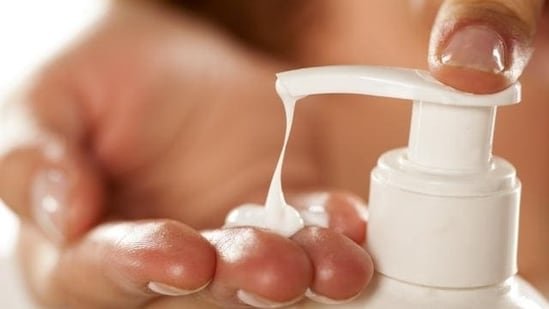
Ramadan is a time when people fast from dawn until sunset. However, fasting, going long hours without water, and general changes in routine can affect your skin. It’s important to have a good skincare routine during Ramadan to keep your skin healthy and hydrated. After Iftar, when you break your fast, is the best time to focus on your skincare. Here’s a simple guide to help you create an effective skincare routine for a radiant, glowing complexion during Ramadan.
Dr Sonali Kohli, Dermatologist at the Sir H.N. Reliance Foundation Hospital, Mumbai, tells Health Shots, “As an integrative dermatologist, I always tell my patients that the skin is not just a surface organ but a reflection of the body’s metabolic balance, gut health, hormonal cycles, and emotional states. The Ramadan period, with its disciplined fasting regimen and spiritual practices, offers a rare opportunity to reboot certain body functions. But can fasting really help you boost your natural glow? The answer is complex: yes, it can if it is done smartly.”
Does the body repair cells during Ramadan fasting?
During Ramadan, the body enters a metabolic state that promotes cell repair. After a few hours of fasting, insulin levels decrease, and the body begins to rely on fat for energy. This alone can help reduce inflammation in the body, a major contributor to acne, rosacea, and early ageing. Fasting can also trigger autophagy, or the body’s way of “cleaning up” its cells. It’s like a housekeeping service that helps to dispose of old, damaged cells and promote new cell growth.
When this happens, the skin can look brighter and clearer. Patients also notice that their acne decreases during Ramadan. This is largely due to increased insulin sensitivity and reduced snacking on processed foods throughout the day, both of which help regulate oil production. But the glow isn’t just going to happen. It takes a lot of hydration, healthy eating, and sleep.
How to hydrate your skin during Ramadan?
“The most prevalent skin issue I notice during Ramadan is dehydration. Hydration is restricted to non-fasting periods, and most people underestimate their fluid requirements. Dehydrated skin appears dull and tense, and it shows early signs of ageing. Dark circles can also be exacerbated by fluid accumulation and lack of sleep,” says the dermatologist.
To keep the skin hydrated:
- Prioritise hydration between Iftar and Suhoor (at least 2-2.5 litres).
- Make hydrating foods like cucumber, watermelon, and citrus fruits a priority.
- Avoid caffeinated drinks, which can further increase fluid loss.
- Apply a barrier repair moisturiser containing ceramides or hyaluronic acid.
- Externally, change to gentle skin cleansers and avoid over-exfoliating. The skin barrier is already compromised during fasting.
How does Ramadan fasting impact insulin levels?
Ramadan cuisine usually becomes a celebration in itself and can be quite indulgent. This can lead to a sudden increase in insulin levels shortly after iftar, triggering sebum production.
To have radiant skin, it is crucial to:
• Eat lean proteins (lentils, fish, and eggs)
• Eat foods rich in omega-3 (walnuts, seeds)
• Eat antioxidant-rich fruits (berries, pomegranate)
• Eat zinc-rich foods (pumpkin seeds, legumes)
These foods help increase collagen production, reduce oxidative stress, and stabilise blood sugar levels.
Does fasting in Ramadan increase blood sugar?
Ramadan cuisine tends to become festive and indulgent. Too much sugar, oil, and refined carbs can cause a sudden insulin surge after iftar, leading to excess oil production on the skin and inflammation.
To have radiant skin, prioritise these foods:
• Lean proteins (lentils, fish, eggs)
• Foods high in omega-3 fatty acids (walnuts, seeds)
• Fruits packed with antioxidants (berries, pomegranate)
• Zinc-rich foods (pumpkin seeds, legumes)
These foods help boost collagen production, reduce oxidative damage, and regulate blood sugar. From an integrative perspective, gut health is key. Eating a balanced iftar meal rich in fibre and probiotics helps maintain the gut-skin connection, preventing acne and eczema breakouts.
Can fasting affect your circadian rhythm?
Late-night prayers and early suhoor meals can throw off the body’s natural circadian rhythm. The skin also has its own natural rhythm, repairing itself best during deep sleep.
When sleep is disturbed:
• Cortisol levels increase
• Collagen synthesis slows down
• Baggy eyes become more prominent
It is essential to maintain regular sleep patterns, even if it means sleeping in two shifts. Eating foods high in magnesium, cutting screen time in the evenings, and practising mindfulness can help improve sleep quality.
Is fasting good for psoriasis patients?
Patients with active eczema, psoriasis, severe acne on medications, or those on oral retinoids should consult their physician before fasting. Some dermatological medications need hydration and a steady diet. Also, patients with melasma should be very particular about using sunscreen. Dehydrated skin exposed to the sun can worsen melasma.
(Note to readers: This article is for informational purposes only and not a substitute for professional medical advice. Always seek your doctor’s advice with any questions about a medical condition. For this feature, the expert has not recommended the products. The product selections were made independently by the editorial team. Listings are not ranked in any order of preference or priority.
At Hindustan Times, we help you stay up-to-date with the latest trends and products. Hindustan Times has an affiliate partnership, so we may get a part of the revenue when you make a purchase. We shall not be liable for any claim under applicable laws, including but not limited to the Consumer Protection Act, 2019, concerning the products.)
