


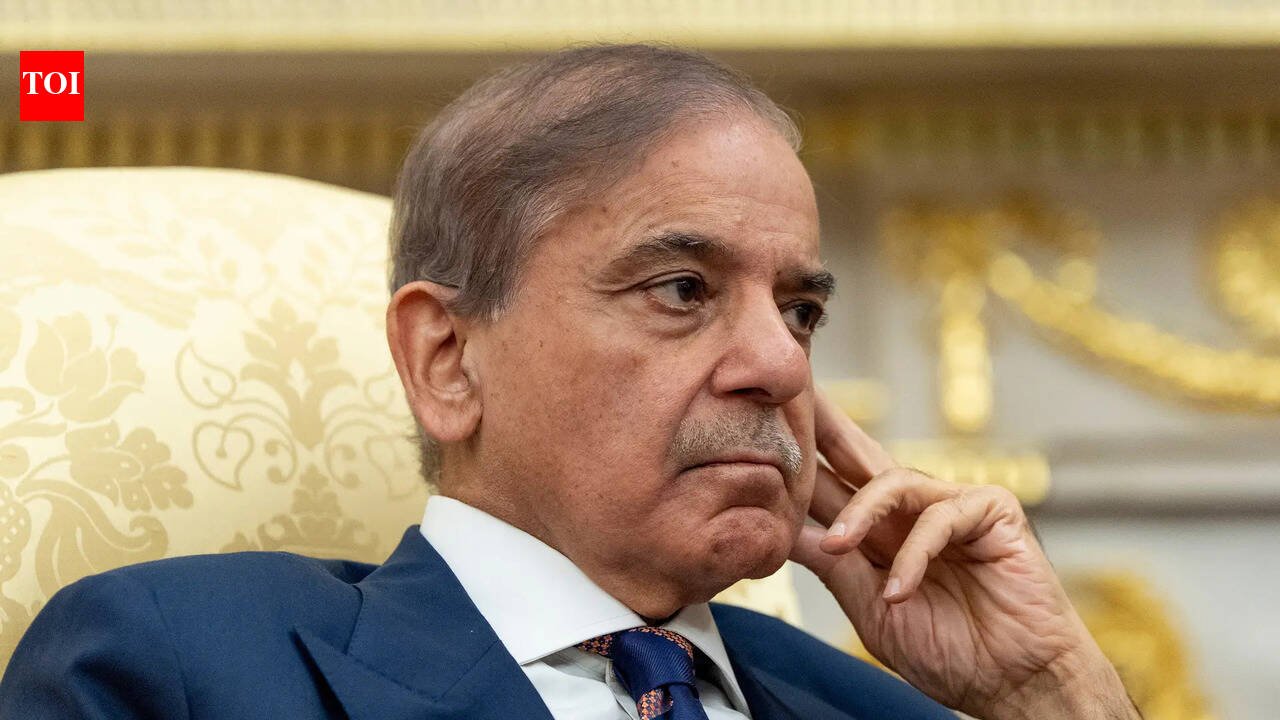
Global oil supplies are facing mounting pressure as the Middle East crisis continues to intensify, with disruptions rippling across several regions and the heat has reached Pakistan. In a bid to soften the hit, Pakistan PM Shehbaz Sharif has rolled out measures, running from cutting government spending and work from home guidelines, aimed towards saving fuel amid the ongoing supply disruptions due to the Iran war. Addressing the country, Sharif said that the measures were discussed during a meeting with federal and provincial authorities, adding that the government had been forced to take “difficult decisions” in light of the situation.
Conserving fuel
Among the key steps, the government will cut the fuel allowance for official vehicles by 50% for the next two months. Operational vehicles such as ambulances and public buses have been exempted from the reduction. Additionally, 60% of government vehicles across federal and provincial departments will be grounded during the same period, The Dawn reported.
Salary
Members of the federal and provincial cabinets will also forgo their salaries and allowances for two months. Lawmakers at both federal and provincial levels will see their salaries reduced by 25% during this time. Sharif further announced that BS-20 government officials earning more than Rs300,000 would give up two days’ salary, which he said would be used for the people. However, officials working in the health and education sectors have been exempted from this measure.
Reducing government spending
Pakistan’s government will also cut non-employee related expenditure by 20% during the fourth quarter across all federal and provincial establishments. In addition, government departments will not be allowed to purchase vehicles, furniture, air conditioners or other items until June 2026. Foreign travel by ministers, advisers and government officials has also been restricted. Such visits will only be permitted if they are “essential for the country’s interests”.
Workplace going online
Government offices, according to The Dawn, would shift towards teleconferencing and online meetings to save fuel. Official dinners and Iftar parties have been banned, while seminars and conferences will now be organised at government premises instead of hotels to reduce expenses. Changes have also been announced in the working structure of the public sector. Sharif said that, except for essential services, half of the workforce would work from home. Public sector offices will operate only four days a week, though the arrangement will not apply to the banking sector.
Online classes and holidays
The education sector will also be affected by the measures. All higher educational institutions will conduct online classes from March 16 to March 31. Meanwhile, schools will observe a two-week break beginning March 16.Sharif said the relevant instructions had already been issued to provincial governments for implementation.He also issued a warning to oil profiteers and hoarders, saying they should not attempt to exploit the situation. “Otherwise, the law will come into effect and action will be taken,” he said.Meanwhile, Pakistan’s finance minister Muhammad Aurangzeb cautioned that soaring crude prices could push the country’s oil import bill to around $600 million a month. His warning comes as global crude prices continue to swing amid escalating situation, crossing the $100 mark on Monday.With fuel costs climbing, Pakistan is also seeking relief on the petroleum levy from the International Monetary Fund, Petroleum minister Ali Pervaiz Malik confirmed.
