


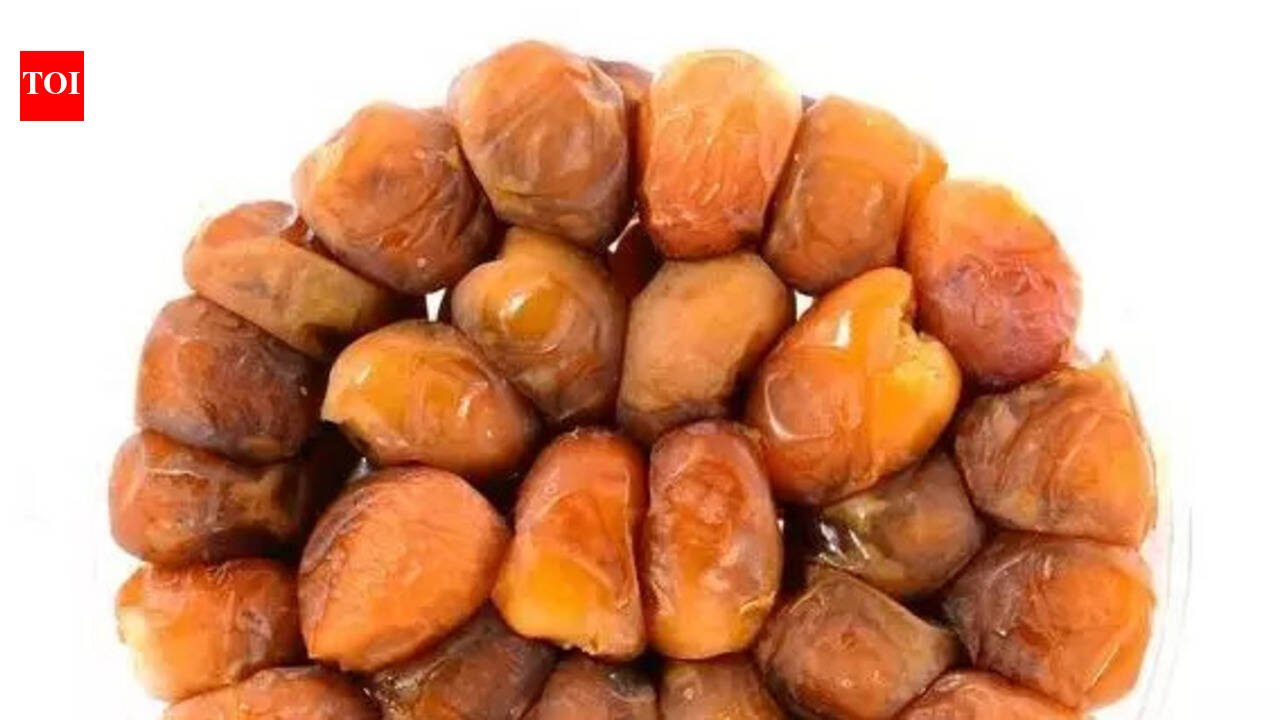
Bam dates, usually priced between Rs 300 and Rs 330 per kg, have long been the most economical option across Kerala, Karnataka, Andhra Pradesh, Telangana, and Tamil Nadu. This season, prices have inched up, narrowing the gap with premium Saudi varieties. Saudi dates such as Sukkari and Safawi have entered the wholesale market at competitive rates — Sukkari at around Rs 300 per kg and Safawi at Rs 350 per kg.“Sukkari dates are moist, soft, and naturally sweet. Safawi, a premium dark-black semi-soft variety grown in and around Madina, is gaining popularity,” Mukthar told TOI.Iranian Mazafati dates have also seen price fluctuations. Retailers who earlier sourced them at Rs 200–250 per kg are now paying Rs 250–350 per kg. The fresh Iranian crop usually arrives between September and November, but wholesalers stocked up only in December and January this year as Ramadan began on February 18. Most dates distributed across India reach markets by the last week of January. “Besides a slightly delayed crop, shipment delays from Iran and increased freight costs made sourcing difficult,” Mukthar said.Mazafati remains a consumer favourite for its juicy, pulpy texture and intense sweetness, and is widely used in desserts, smoothies, and milkshakes. Saudi Arabia’s government is supporting the sector with subsidies and export infrastructure. Apart from Sukkari and Safawi, varieties such as Mashrook, Mabroom, Medjoul, and Ajwa are also in demand. Mashrook currently sells at Rs 260–270 per kg in the wholesale market. “Consumers are now tilting towards Saudi varieties because of taste and affordability. Sales of Saudi dates have picked up significantly this Ramadan,” Mukthar observed.Musthaq Bava, Partner, Sheen, a dates and dry fruit wholesaler, said, “Today, dates are seen as a health and wellness product and a healthy substitute for sugary snacks. There is a growing demand for value-added products such as energy bars. I believe the market will continue to expand.”
