


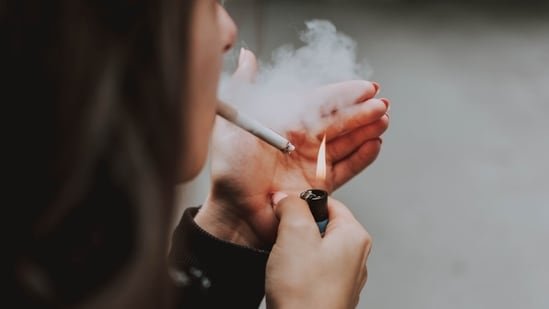
You may have never smoked a cigarette in your life, but does that mean you are completely safe from lung cancer? For many people, the disease is almost exclusively associated with smoking, leading non-smokers to assume their risk is negligible. However, experts say the reality may be more nuanced than that.
Dr Jeremy London, a board-certified cardiothoracic surgeon with 25 years of experience, is addressing a common question: does not smoking truly protect you from lung cancer? In an Instagram video shared on March 6, the heart surgeon explains that while smoking remains the leading cause, several other factors can also increase a person’s risk. He goes on to outline the key risk factors that may expose individuals to a higher likelihood of developing lung cancer.
Do non-smokers get lung cancer?
According to Dr London, the short answer is yes – lung cancer can occur even in people who have never smoked. While the majority of patients diagnosed with the disease are smokers, a notable proportion are not. He explains that around 15 to 20 percent of lung cancer cases are found in individuals who have never smoked.
He states, “The short answer is yes. Now, obviously the lion’s share of patients are smokers, but 15 to 20 percent of lung cancers occur in individuals that have never smoked,” before outlining the potential risk factors behind such cases.
Risk factors
Second hand smoke exposure
Exposure to passive smoking can also raise the risk of developing lung cancer. Dr London highlights that regularly inhaling second-hand smoke – whether from living with a smoker or working in an environment where people smoke around you – can significantly raise the likelihood of developing lung cancer by around 20 to 30 percent.
He explains, “If you live with somebody, a spouse or a roommate, or you work in an environment where people are smoking around you all the time, there’s about a 20 to 30 percent increased risk of lung cancer.”
Environmental factors
The heart surgeon also emphasises that living in urban areas with high pollution levels can elevate the risk. Prolonged exposure to harmful environmental substances – such as radon, asbestos and silica – is likewise considered a significant risk factor for developing lung cancer.
He notes, “There’s additional risks as well. If you live in an area with a high pollution index or you have an exposure to radon, asbestos, or silica, those also increase your risk of lung cancer.”
Genetic factors and lung diseases
Dr London also notes that the risk of lung cancer may be higher if a first-degree relative – such as a parent, sibling or child – has previously been diagnosed with the disease. In addition, pre-existing lung conditions, including emphysema and chronic obstructive pulmonary disease (COPD), can further elevate the likelihood of developing lung cancer.
He stresses, “In addition, genetic factors, a first-degree relative with lung cancer, or if you yourself have emphysema or COPD, that also increases your risk of lung cancer.”
The cardiologist emphasises the importance of assessing your individual risk factors. If any of these sound familiar, he advises consulting a medical professional to discuss appropriate early screening options and ensure timely evaluation, even if you have never smoked before.
Note to readers: This article is for informational purposes only and not a substitute for professional medical advice. It is based on user-generated content from social media. HT.com has not independently verified the claims and does not endorse them.
