


PHE assures fully treated, safe drinking water supply
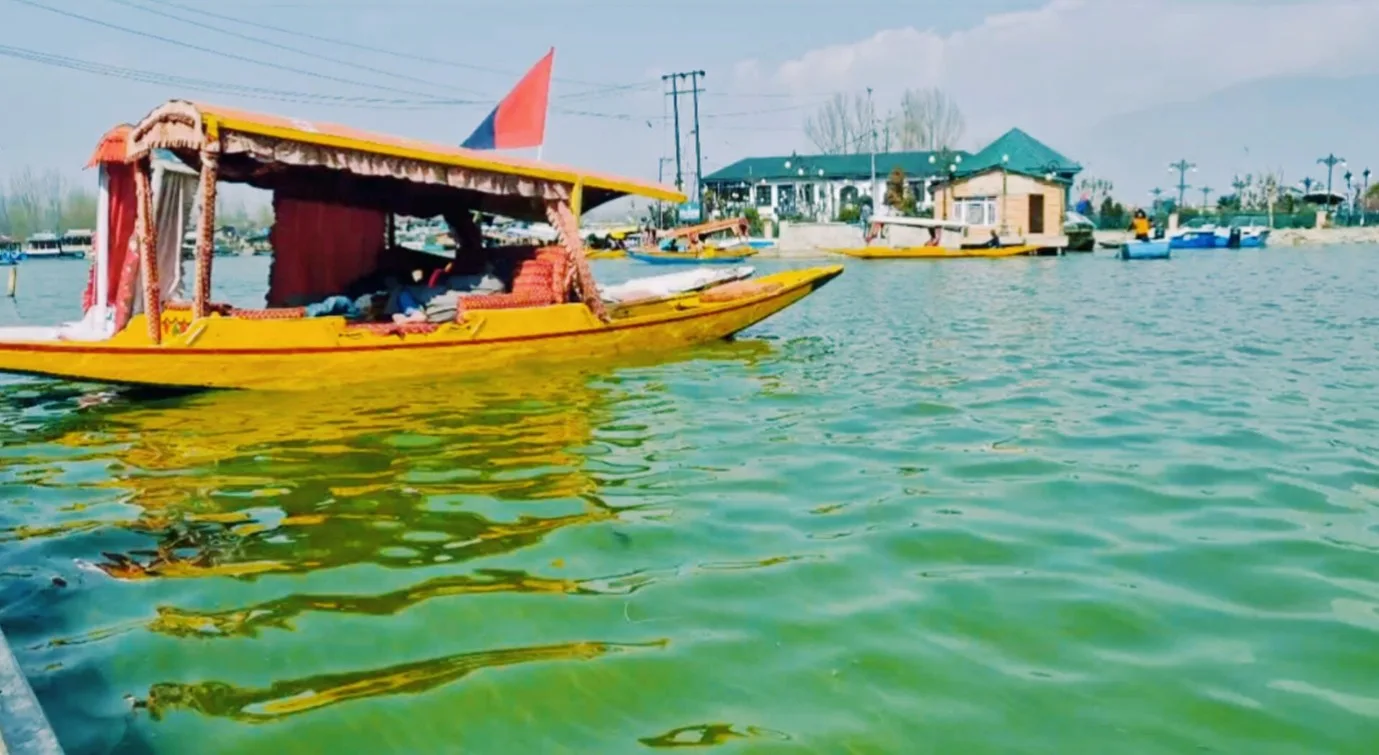
Srinagar, Mar 04: The sudden greenish tint of the iconic Dal Lake has raised concern among residents across Srinagar, but authorities say the phenomenon is natural and there is no cause for panic.
Dr Shafeeqa Peer, Scientist at the Lake Conservation and Management Authority (LCMA), said the change in colour is the result of enhanced photosynthesis triggered by nutrient presence in the lake bed, adequate freshwater inflow and rising temperatures.
“The lake water has turned green due to photosynthetic activity. Nutrients accumulated in the lake bed, combined with sufficient inflow from Tailbal, Botakul and Mirakshah following normal precipitation, and high temperatures, have accelerated this process,” she said.
Calling it a seasonal and natural phenomenon, Dr Peer said several steps are being taken to manage the situation. “We have opened gates, including the Dal Lock Gate, to allow flushing. Nearly 90 per cent of the drains have been covered, and Sewage Treatment Plants (STPs) are operational. Measures like aeration, dredging and wastewater treatment are underway,” she added.
She, however, acknowledged that factors such as precipitation and temperature fluctuations remain beyond human control. “Our focus is on sustained lake conservation. Public cooperation is essential to prevent waste from entering the lake,” she said.
Meanwhile, the Public Health Engineering (PHE) department assured residents that drinking water supplied to the city remains safe.
Superintending Engineer Anbreen Anjum said the Nishat Water Treatment Plant is functioning normally and providing treated potable water.
“The plant has a capacity of 19 MGD and is currently drawing 27–30 cusecs from Dachigam Nallah and 10–12 cusecs from the Sindh Canal. Dal Lake water is used only in emergencies, and at present only 3–5 cusecs — around eight per cent of total supply — is being utilised,” she said.
Anjuman said the water undergoes rigorous treatment, including aeration, filtration and disinfection, before being supplied. “Water quality is regularly tested, and reports are available online. There is no need to panic,” she asserted.
Officials also said efforts are underway to introduce advanced filtration systems to further strengthen water quality standards, even as conservation measures continue to protect the fragile ecosystem of Dal Lake.
