


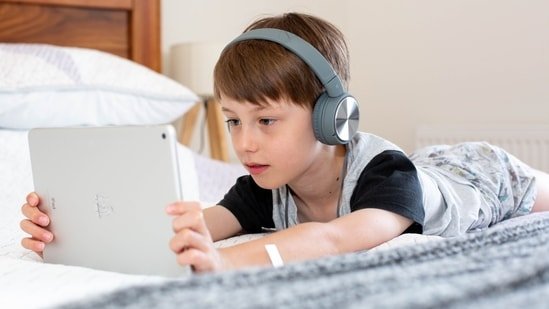
Teens today are sleeping less than ever and it’s becoming a serious problem. Not getting enough sleep isn’t just about feeling tired in class. For teenagers, it’s been linked to depression, anxiety, poor concentration, mood swings and even long-term health risks later in life. While smartphones are often blamed for keeping teens up at night, new research suggests the problem goes far beyond screen time. (Also read: Psychotherapist shares how Gen Z employees are using ‘breakup’ and ‘burnout’ leaves to prioritise mental health at work )
How serious is teen sleep deprivation today
A new study published in JAMA on 2 March 2026 analysed 16 years of data and found a sharp rise in severe sleep deprivation among adolescents. In 2007, about 69 percent of students weren’t getting enough sleep. By 2023, that figure had climbed to nearly 77 percent. Even more concerning, a growing number of teens are now sleeping fewer than five hours a night.
Researchers note that this isn’t a sudden shift but a gradual trend that has been building for nearly two decades. The pattern appears across the board, not just among teens who spend long hours on their phones or engage in risky behaviours. Even those with limited daily screen time reported poor sleep quality.
What’s driving the ongoing sleep crisis
The data points to a mix of social pressures and biology. Early school start times, heavy homework loads, extracurricular commitments and busy social lives are steadily cutting into sleep hours. At the same time, adolescents naturally experience a shift in their internal body clock. Their brains don’t begin producing melatonin, the hormone that signals sleep, until around 11 pm. This means many teens simply don’t feel tired until late at night, despite needing to wake up early for school.
This mismatch between teenage biology and early morning schedules creates a cycle of chronic sleep deprivation. Over time, insufficient rest can affect emotional well-being and mental health, increasing stress levels and contributing to mood disorders.
(Also read: Therapist says these 5 everyday habits could secretly damage your mental health: ‘It destroys your attention span’ )
While reducing screen time before bed may help, research suggests it is only part of the solution. The study recommended that middle and high schools start no earlier than 8:30 am to better align with adolescent sleep patterns.
Ultimately, addressing the teen sleep crisis may require more than limiting devices, it calls for rethinking routines, expectations and systems that clash with how teenagers’ bodies are naturally wired.
