


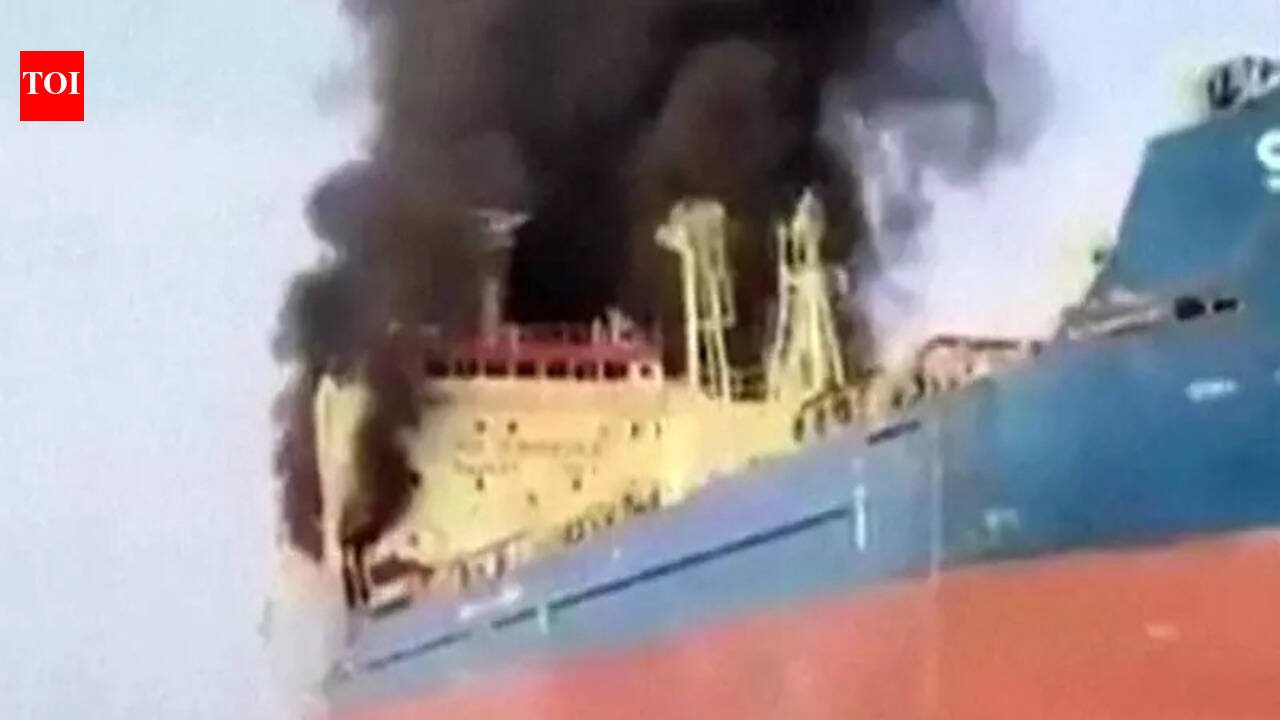
Shipping insurance premiums for oil tankers reportedly surged by nearly 50%, reflecting rising geopolitical risk and increasing freight costs. Global markets reacted swiftly to the weekend escalation. Brent crude rose nearly 10% on March 2 to about $80 per barrel, with analysts warning that prices could climb further. If tanker movement through Hormuz remains constrained, crude could rise to $100–$108 per barrel, and in a worst-case scenario, potentially surge to $120–$150 per barrel.Economists estimate that every $1 rise in Brent crude could increase petrol prices by Rs 0.55 per litre and diesel by Rs 0.52 per litre. With current fuel prices hovering at Rs 94.49–Rs104.21 for petrol, and Rs 90.17–Rs 92.34 for diesel, any sustained increase could soon be felt at Kolkata’s pumps.“In the short run, we can expect an increase in oil prices. In the medium term, if the war drags, there is a negative impact on the global economy,” said Vaibhav Chaturvedi, senior fellow at CEEW. The Strait of Hormuz also handles 20% of global LNG flows, raising concerns about potential increases in LPG prices and power generation costs. “With nearly 90% import dependence, every $10 per barrel rise increases the annual import bill by about $13–$14 billion,” said geo-economics researcher Vivek Y Kelkar.“Reducing dependence on imported conventional energy sources is no longer just a climate imperative but a strategic necessity,” said Aarti Khosla, director, Climate Trends.India’s strategic reserves offer temporary relief. Prolonged disruption could impact transport costs, food logistics, electricity tariffs, and cooking gas prices.
