


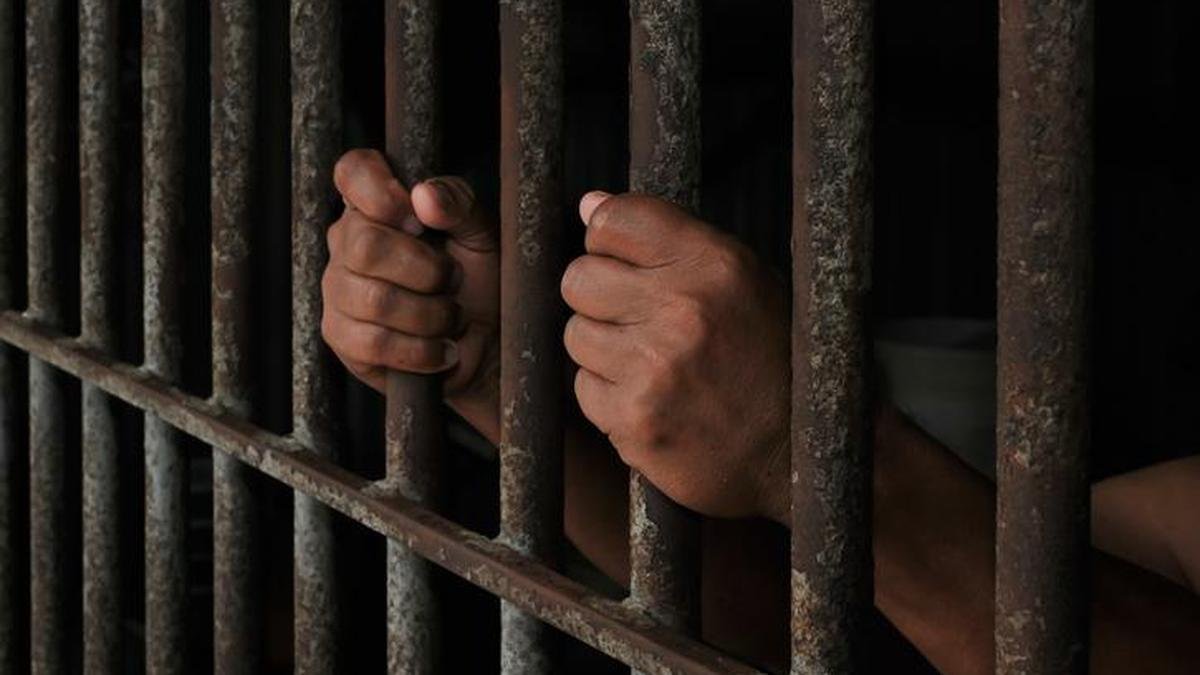
Image for representational purposes only. The amnesty scheme did not include prisoners convicted of severe crimes such as murder, robbery, rape.
| Photo Credit: Getty Images
Zimbabwe on Monday (March 2, 2026) began releasing nearly 4,000 inmates who were granted presidential amnesty in a bid to ease overcrowding in prisons.
The Cabinet announced the amnesty in February, on the same day it approved sweeping changes to the Constitution as part of a plan to extend 83-year-old President Emmerson Mnangagwa’s term till 2030.
“The nation should note that the release of the 3,978 beneficiaries begins today,” Justice Minister Ziyambi Ziyambi said at a press conference in the capital Harare.
Zimbabwe’s prisons held just over 24,000 inmates in the second quarter of 2025, according to recent available national data.
A total of 4,305— including 223 women— would eventually be released, Mr. Ziyambi said, with the scheme “focusing on vulnerable groups and those who have demonstrated significant progress in their rehabilitation”.
The move “reflects a profound commitment to restorative justice, national compassion and the strategic decongestion of correctional facilities”, the Minister said.
The amnesty scheme did not include prisoners convicted of severe crimes such as murder, robbery, rape or “contravention of the Maintenance of Peace and Order Act”— a charge that has been used in the past against protesters and political Opposition.
The southern African country has been stirred since last year by rising anger against Mr. Mnangagwa and his ruling Zanu-PF party, with leading opposition figures denouncing a constitutional “coup” after the constitutional amendments approved by the Cabinet last month.
The amendments— which still need to pass Parliament, weighted in favour of the Zanu-PF— include extending the presidential term to seven years and scrapping general presidential elections by giving parliament the power to choose the President.
Published – March 02, 2026 05:29 pm IST
