


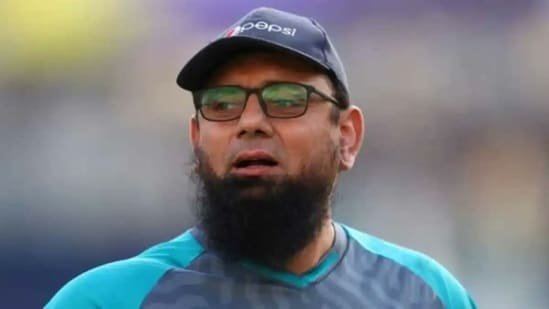
Saqlain Mushtaq has added a sharp edge to the pre-match conversation in a show by praising modern T20 systems while also hinting that the biggest difference may come from something less visible: pitch preparation. In his remarks, Saqlain credited India’s scientific cricket ecosystem and West Indies’ power-hitting legacy, but his most striking line was a sarcastic swipe at the ICC while discussing conditions.
That comment shifts the discussion from batting firepower and body language to a more familiar tournament theme in the subcontinent — whether conditions can quietly tilt the balance before the first ball is bowled.
Saqlain’s praise comes first, but the pitch warning lands hardest
Saqlain began by acknowledging how India has evolved with the demands of modern-day cricket and the IPL era. He pointed to specialist support systems, power-hitting work and a more scientific approach to preparation, saying players now understand the requirements of the format far better than before.
He also linked West Indies’ present-day T20 strength to a much older legacy, referencing the flair and attacking instinct that has long defined their cricket culture. In his view, that power game is not a recent invention but an extension of a tradition that the world has copied over time.
He further suggested that league cricket has helped keep West Indies players aligned with the modern game, saying they remain in demand, stay current with T20 trends and bring natural physical power to the contest.
But the tone changed when he moved to pitch preparation.
“One thing is how the pitch is prepared now,” Saqlain said, before adding the line that is certain to travel widely: “ICC… Indian Cricket Council. ICC is not some other council.”
The remark was sarcastic, and it came in the context of a broader point about home familiarity and conditions. Saqlain then said, “Let’s see what kind of pitch they prepare for this game,” suggesting that surface conditions could influence how the match unfolds.
He also underlined the competitive value of local knowledge, saying, “Even in this, you can get a margin of 10 to 15 percent if the conditions suit your team.”
Saqlain Mushtaq’s final point was less accusation than warning: conditions matter, and in big matches, they can become the hidden separator. “Because when you know the conditions well, you can compete better,” he said.
That is what makes his intervention notable. He did not dismiss India’s strength, nor did he ignore West Indies’ power. Instead, he framed the contest around a more uncomfortable possibility — that preparation, not just talent, could shape the terms of the battle.
