


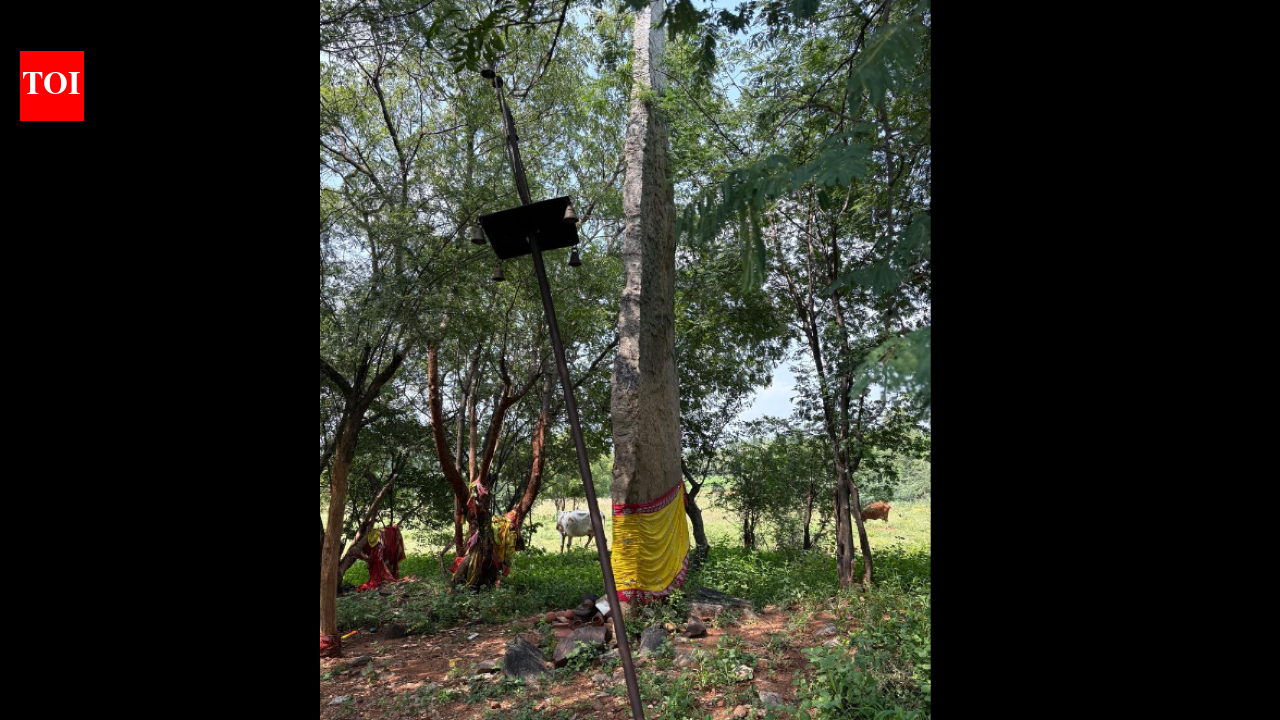
TIRUPUR: The Archaeological Survey of India (ASI) has commenced excavation at the Kumarikalpalayam ancient site in Tirupur district. A menhir, which is believed to be India’s tallest (measuring about 26 feet) and which dates back to around 2,000 years, is located at Kumarikalpalayam.According to a press note issued by the ASI, the excavation was taken up based on a reference from Tirupur MP K Subbarayan. ASI Trichy circle conducted an archaeological exploration at Kumarikkalpalayam in 2023, which yielded archaeological remains of Iron Age and early historical period. The promising surface indications and material evidence recovered during the exploration inspired the commencement of a systematic excavation at the site, it said.Kumarikkalpalayam is located in Kaavunthampalayam village, about 15 km north of Uthukuli and 26km northeast of Tirupur. The site lies 0.5 km north of the present village settlement, within agricultural fields, and represents an extensive Iron Age and early historic habitation. The archaeological site comprises two major components — a habitation mound and an adjoining megalithic burial complex. The habitation mound, characterized by ashy soil deposits, has yielded a rich variety of ceramic assemblages, including red ware, black-slipped ware, black-and-red ware, russet-coated ware with decorative motifs and brown-slipped ware. Further, melted iron ore and slag were found, indicating iron smelting activities and continued occupation during the Iron Age and early historic periods.The site added more significance, as it is situated in proximity to the important early historic industrial and trade centre of Kodumanal, suggesting possible cultural and trade linkages in the region, said P Aravazhi, superintending archaeologist, Trichy circle.A detailed proposal seeking necessary approval for excavation was submitted to Yadubir Singh Rawat, director general, ASI. Approval has been duly accorded. The first season of excavation that began on Thursday will continue till July 2026.
The excavation started on ThursdayAravazhi said there was a possibility of uncovering evidence related to the Megalithic and historic periods and perhaps links indicating Roman trade connections with the Kongu region.Nandini Bhattacharya Sahu, joint director general, ASI, said as part of the first phase, trenches would be dug to examine the period of artefacts, which is one of the key objectives of the excavation. Earlier, villagers had been urging authorities to protect the ancient stone monument and declare the site a protected area, citing the discovery of stone circles, burial urns and pottery fragments in the vicinity. Villagers expressed happiness over the start of excavations. “It is a victory after three years of sustained efforts to protect the site,” said N Mohanraj, coordinator of the Kumarikkal Archaeological Protection Movement, an organisation formed by residents to safeguard the site.
