


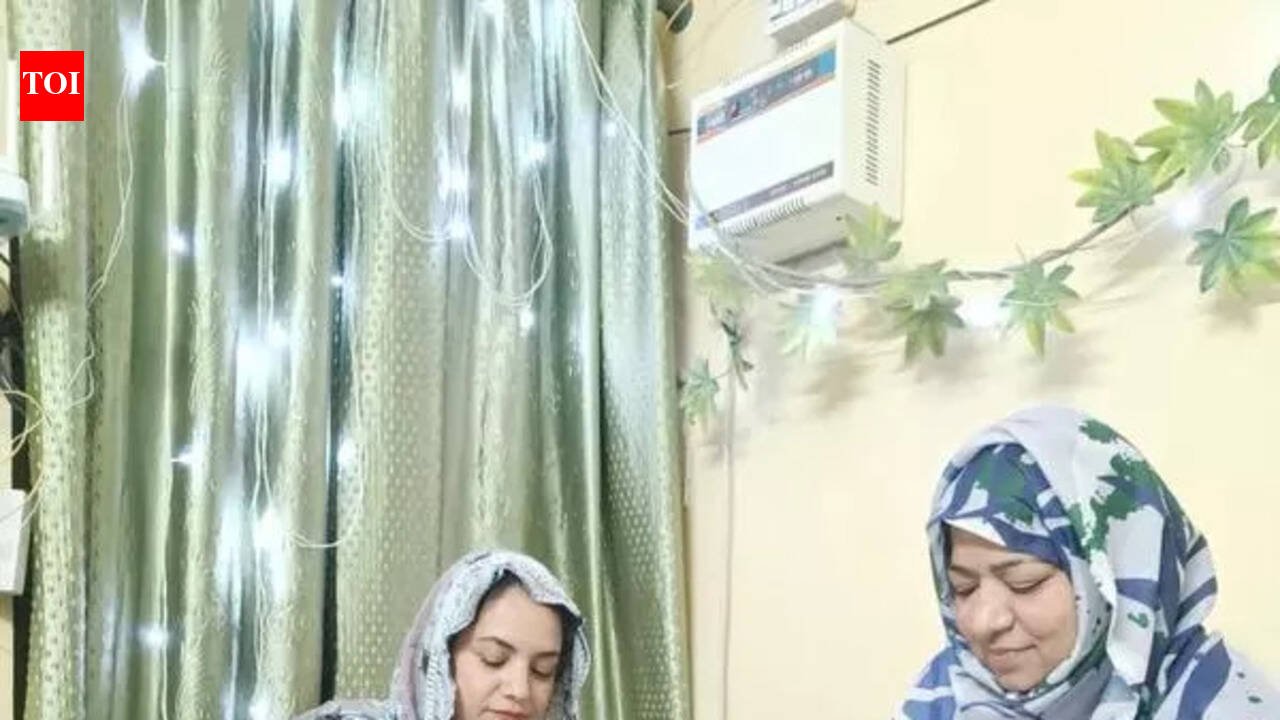
“Since we could not afford a lavish layout, my great-grandmother tried something fancy. She combined red lentils with chana and masoor dal to make kebabs, turning frugality into something celebratory,” Shiri said while describing how the kebabs became a family signature.Sabiha Ahmad remembers a drink, ‘nishasta’, her maternal grandmother prepared whenever Ahmad visited her place during Ramzan. “Nishasta is made from the powder of dry fruits like cashew, pistachio, raisins, almonds, dates (chhuara) and fig, mixed with crushed cardamom and milk,” she recalled.Professional chef Sheeba Iqbal speaks of iftar favourite dishes that are inseparable from family tradition. “My favourite dish, which is made especially for iftar in Ramzan, is ‘rumali samose’ and ‘dahi ki phulki’,” she said.The samosas, she explained, were her mother-in-law’s recipe, which involved wrapping spicy minced meat in a rumali roti and then deep frying it. “Everyone in my house loves the dish, and we wait all year to savour it in Ramzan,” she said.At Akbari Gate, Neha Parveen prepares ‘maleeda’ for iftar, a recipe she learnt from her maternal grandmother and now teaches her daughter. “Maleeda is basically a laddoo made from bajra flour mixed with khoya, dry fruit powder, and ghee,” she said.Sehri, the pre-dawn meal, has its own rhythm in Lucknow. It has to be heavier, sustaining foods meant to carry one through the long hours of fasting.For Fareeda Zafar, a teacher, tradition is also about thrift and values passed down. She makes ‘chapati pakoda’ from the leftover chapatis from the night before, mixing them with boiled potatoes, spices, and bread crumbs. The dish, she said, came from her mother’s habit of never wasting food.
