


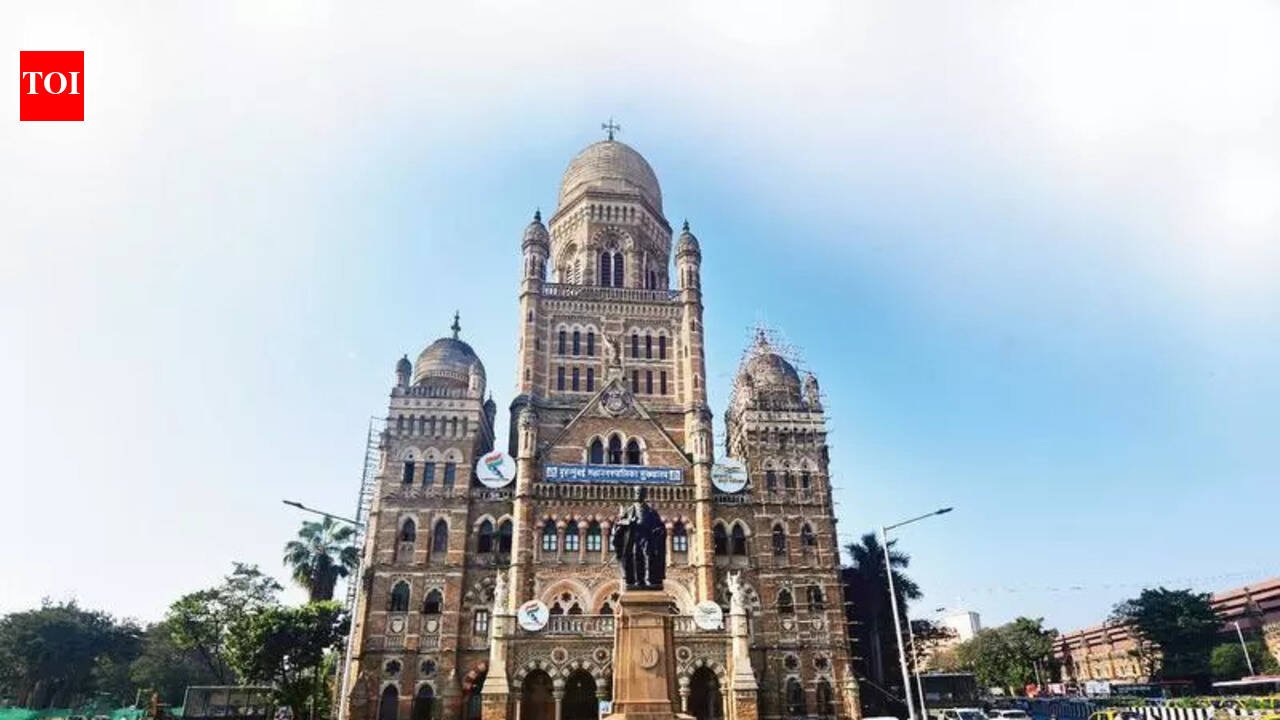
Mumbai: The civic body is all set to impose entertainment tax after Sept 2026, once the state urban development department gives its assent to the BMC. The civic body, which intends to impose the tax on theatres, multiplexes, bowling alleys, cable TV providers, public ticket-based shows, discotheques, pubs, pool parlours, exhibitions, races, and circuses, among various forms of entertainment, is looking at mopping a revenue of over Rs 500 crore; in 2016-17, it had collected Rs 376 crore from entertainment tax levied in the city.The prospect of film tickets becoming costlier in Mumbai looms large after the fresh imposition of entertainment tax, said experts. Nitin Datar, president of the COEAI (Cinema Owners and Exhibitors Association of India), said, “Since the GST levy was implemented, the Centre had allowed individual states to collect entertainment tax. But Maharashtra and some northern states have not implemented it.”
The BMC budget document stated that as per the amendment to Maharashtra Entertainment Duty Act, the responsibility for collecting entertainment tax/fees previously levied by state govt, has been entrusted to the local authorities.It also stated the state revenue and forest department had extended the exemption from entertainment duty from Sept 16, 2017, to Sept 30, 2026, and accordingly a proposal has been submitted to the urban development department. “We will be seeking data from the revenue authorities that are the district collectorate and will follow the model and features of the tax system adopted by them, while they levied the tax. However, that would be subject to the urban development department approving our proposal,” said an official.Datar said, “Many states in the south were levying this tax, but Maharashtra was not doing so. There are many taxes that businessmen pay to the Centre and to the states. Now with the imposition of this tax in Mumbai, it is almost certain that ticket prices will rise. The quantum of increase depends on the percentage. If 10% entertainment tax is levied, in multiplexes the ticket cost will rise from say Rs 100 to Rs 110, but in a single-screen theatre where tickets cost Rs 30-40, maximum Rs 80, even a three or four rupee increase means a lot.“Nitin Tej Ahuja, CEO, Producers Guild of India, said, “I have not reviewed the BMC tax proposal so I am yet to ascertain what it entails and what its implications are. Conceptually, however, we have made many representations to the central as well as various state govts against local bodies charging entertainment tax. The underpinning principle behind the introduction of the GST regime was ‘One Nation One Tax’ and one doesn’t understand the rationale why the entertainment industry should be singled out for additional levies. The whole idea behind GST was to subsume all these multiple taxes into one tax.”B N Tiwari, president of FWICE (Federation of Western India Cine Employees), said, “The film and television industry has only recently stabilised after years of pandemic losses and the sharp impact of OTT platforms on theatrical footfall. Any re-introduction of entertainment tax at the municipal level must be handled very cautiously. If the levy directly increases ticket prices, the immediate burden will fall on the common audience, and that ultimately reduces footfall in theatres—which again affects workers and daily-wage technicians across the industry.““FWICE believes the objective of revenue generation for the civic body should not come at the cost of revival of cinema exhibition. We request that either the tax be kept nominal or structured in a way that it is not passed on to consumers. Otherwise exhibitors, already struggling with maintenance, electricity and rental costs, will face additional financial pressure. If ticket prices rise, audiences shift faster to digital platforms, and that harms the entire ecosystem— producers, distributors, theatre owners and thousands of workers.““Therefore, any policy must balance civic revenue with protection of employment and theatrical business sustainability. FWICE expects ticket prices may increase if the tax is directly applied per ticket, unless the govt caps or absorbs part of the levy. Theatres could face further financial strain, especially single-screen cinemas, unless concessions or differential rates are provided.”
