
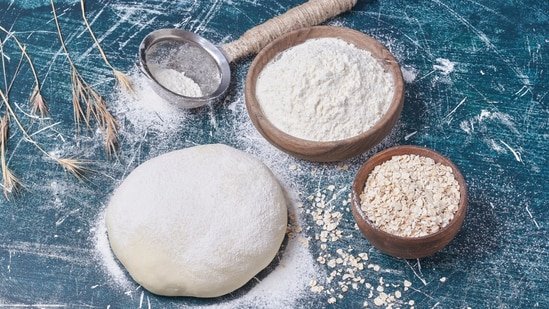
Swapping parathas for rotis just to lose weight? If you believe this switch alone will prevent weight gain, you might want to rethink. The commonly used whole wheat flour is calorie-dense, contains starch, and is low in fibre, all factors that can slow down your weight loss. If you’re following a weight loss plan, a diet expert recommends choosing flours that not only help maintain a healthy weight but also keep cravings in check.
The best options for weight management are those rich in fibre and protein, with a lower glycaemic index to support stable blood sugar levels and prolonged satiety. Before incorporating any specific flour solely for “weight loss”, it’s always wise to consult a doctor or nutrition expert.
Dr Archana Batra, a dietician and diabetes educator, tells HealthShots: “When it comes to weight loss, what we eat every day matters far more than occasional “cheat meals”. And one daily staple that often goes unnoticed is flour. From rotis and dosas to pancakes and baked goods, flour forms the base of many meals, making its quality crucial for sustainable weight management.”
Why does the flour choice matter?
The reason is the regular or frequent use. You might be using flour to make roti in place of pooris or paratha just to lose weight, but this might cause slower weight loss: As per the dietician, the type of flour you use in the cooking process directly impacts:
Flour directly impacts:
- Blood sugar levels
- Satiety (how full you feel)
- Digestion and gut health
- Calorie intake over the day
Highly refined flours digest quickly, causing rapid blood sugar spikes followed by hunger and cravings. On the other hand, flours rich in fibre, protein, and micronutrients digest slowly, keep you full longer, and help regulate appetite, making them the key factors in weight loss.
Simply put, the right flour can support fat loss, while the wrong one can silently stall progress.
Is whole wheat flour bad for weight loss?
Not at all, but it’s not always the best option either, says the dietician.
Whole wheat flour contains fibre and nutrients and is significantly better than refined white flour (maida). However:
- It is still high in carbohydrates
- It has a moderate glycaemic index
- Portion size matters greatly
A diet high in whole wheat may slow heat loss in those with diabetes, PCOS, insulin resistance, or stubborn belly fat. Diversifying flours and selecting better fibre to carbohydrate or protein-to-carbohydrate ratios are more important than doing away with wheat.
Better flour options for losing weight
Here are five flours often considered more weight-loss-friendly than regular wheat flour:
Ragi (Finger Millet) Flour
Ragi, which is high in calcium and fibre, helps maintain stable blood sugar levels and prolongs feelings of fullness. As per the expert, people with thyroid disorders, prone to kidney stones, and with sensitive digestive systems should avoid the intake of ragi flour. It is advisable to consult a doctor before any intake of it.
Besan (Chickpea Flour)
Rich in protein and fibre, besan (gram flour) enhances satiety, helps stabilise appetite, and may reduce the tendency to overeat. However, individuals with confirmed legume allergies should strictly avoid besan, as chickpea proteins can trigger allergic reactions. Additionally, those with severe IBS or other digestive hypersensitivities may need to limit or avoid it, noted in MDPI journals
Jowar (Sorghum) Flour
Jowar, which is high in fibre and free of gluten, aids in digestion and maintains steady energy levels. Before making it a regular habit, people with severe digestive sensitivity, thyroid issues, kidney disease, or mineral deficiencies should consult a doctor, advises the dietician.
Bajra (Pearl Millet) Flour
Bajra, which has a high iron and fibre content, digests slowly and encourages fullness. The expert advises people who have digestive sensitivities, thyroid issues, mineral deficiencies, or kidney issues to consult a doctor before adding it.
Oats Flour
contains beta-glucan, a soluble fibre that promotes heart health and appetite control. Before consuming it, people with severe digestive disorders, oat allergies, coeliac disease (unless using certified gluten-free oats), or certain medical conditions should speak with their doctor.
Which flour is best for you?
There’s no universal “best” flour for weight loss. The ideal choice depends on:
- Your metabolism
- Health conditions (PCOS, diabetes, thyroid issues)
- Activity level
Instead of relying on one flour, a rotation approach works best, mixing different flours across the week to ensure nutrient diversity, better digestion, and sustained weight loss, says the dietician.
(Disclaimer: At Hindustan Times, we help you stay up-to-date with the latest trends and products. Hindustan Times has an affiliate partnership, so we may get a part of the revenue when you make a purchase. We shall not be liable for any claim under applicable laws, including but not limited to the Consumer Protection Act, 2019, concerning the products. The products mentioned are neither endorsed by the medical expert, nor are they in any particular order of priority. It is advisable to consult a qualified healthcare professional before starting or consuming any of them.)
