
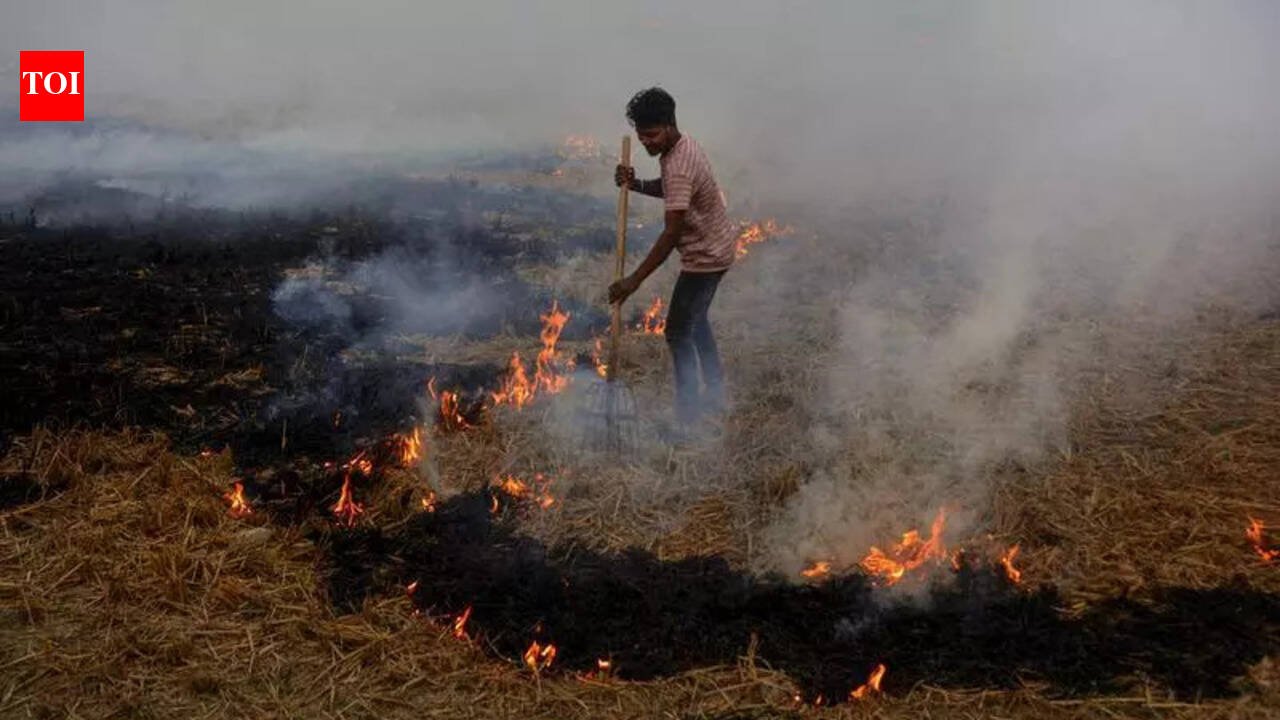
The centerpiece of the 2026 strategy is the creation of a dedicated Parali Protection Force (PPF). Operating at the district and block levels, these units will comprise police, agricultural officers, and administrative staff. Enforcement agencies have been ordered to intensify patrolling during late evening hours to catch farmers attempting to evade satellite detection, which occurs typically during daylight passes. Authorities must map every farm in every village. Nodal officers will be assigned to small clusters, with a strict limit of 100 farmers per officer to ensure granular monitoring.The commission has mandated a strict “environmental compensation mechanism” for those found in violation. To provide viable alternatives to burning, the states must overhaul their crop-residue management (CRM) infrastructure. Farmers will use a dedicated mobile app to book CRM machinery during the peak harvest window. Small and marginal farmers are to be provided with rent-free machinery through custom hiring centres (CHCs).Districts must formulate plans to convert stubble into fodder or industrial fuel, ensuring a year-round supply chain that reduces the incentive to burn. The CAQM noted that while paddy-season measures are well-established, the “targeted wheat-season interventions” are now critical to mitigating year-round air pollution in the National Capital Region (NCR). The framework for these actions was finalised during the Commission’s 26th meeting in late Dec. States are now required to submit monthly progress reports to the CAQM to ensure the Action Plans are being executed “in letter and spirit”.
