
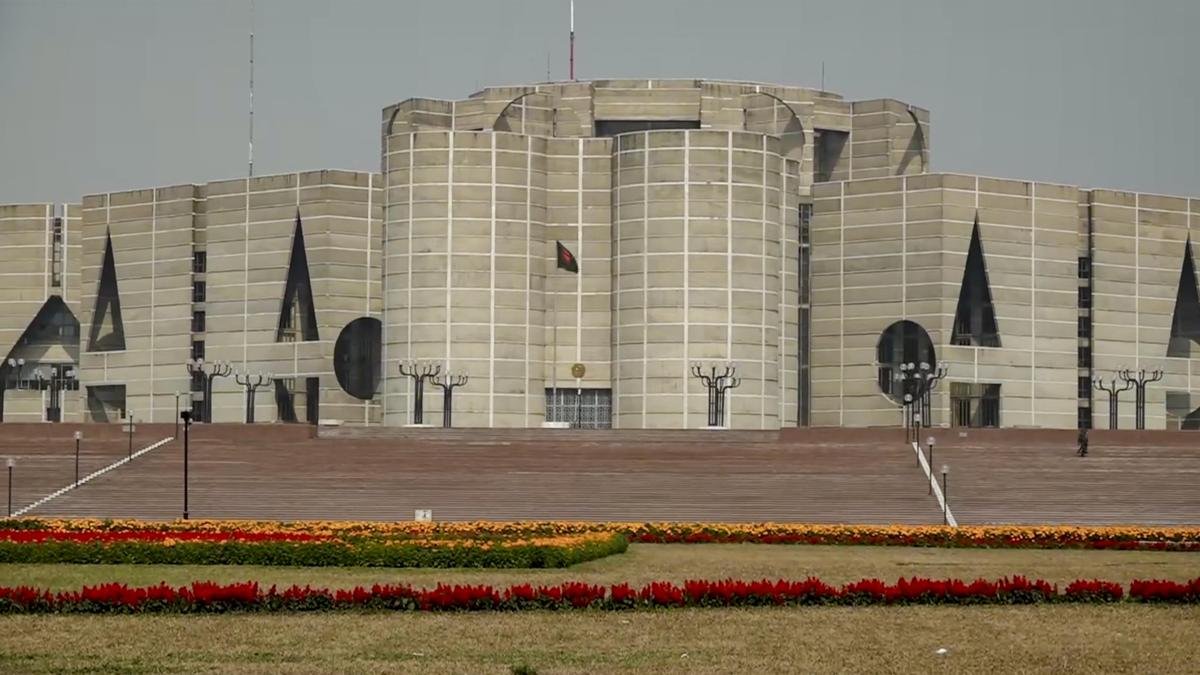
Bangladesh’s 13th Parliament is set to be one of the country’s most politically contested in nearly three decades, with the Bangladesh Nationalist Party (BNP) forming the government after winning a two-thirds majority and the Jamaat-e-Islami-led alliance emerging as the strongest Opposition bloc since the 1996 elections. The BNP secured 209 of 297 seats in the February 12 parliamentary polls, while the Jamaat-led alliance won 77 seats, positioning itself as the principal Opposition.
Political analysts say that, unlike in previous Parliaments where the Opposition benches were often criticised for being ineffective, the current House is likely to see robust debate and closer scrutiny, particularly on issues of governance, law and order, and constitutional reform. The size and ideological cohesion of the Opposition, they argue, will ensure an active Parliament.
Jamaat-e-Islami Ameer Shafiqur Rahman has also signalled that his party intends to play a strong role both inside and outside Parliament. “With 77 seats, we have nearly quadrupled our parliamentary presence and become one of the strongest Opposition blocs in modern Bangladeshi politics. This is not a setback; this is a foundation,” he said.
Despite allegations of irregularities, Mr. Rahman said Jamaat had accepted the overall election results. However, he alleged that innocent citizens and voters had been attacked in different parts of the country following the polls.
According to him, Jamaat supporters, members of the 11-party alliance, independent candidates, and individuals holding political views differing from those of the BNP were targeted. Condemning the incidents, he said his party stood in solidarity with the victims and demanded accountability.
Meanwhile, BNP Acting Chairman Tarique Rahman, in his first public remarks after the results, called for unity and responsible politics, urging parties to rise above divisions.
‘Collective strength’
“Our paths and opinions may differ, but in the interest of the country, we must remain united. I firmly believe that national unity is our collective strength, while division is our weakness,” he said. Emphasising parliamentary responsibility, he added that democracy would take institutional shape only if both the government and the Opposition played constructive roles.
The transition to the new government is expected to proceed swiftly. Cabinet Secretary Sheikh Abdur Rashid said preparations were underway for the swearing-in of the new Cabinet. “We are hoping that the swearing-in will take place within the next three days, or at most four,” he told presspersons on Saturday (February 14, 2026). He added that arrangements could be made even sooner if directed. The oath-taking of Members of Parliament will precede the Cabinet ceremony.
The election marks the end of the interim government led by Nobel laureate Muhammad Yunus, who assumed office in August 2024 following the student-led uprising that toppled the Awami League government.
Political analyst M. Zakaria said Mr. Yunus’s tenure should be considered successful in terms of democratic transition. “It is a success for Yunus that he transferred power to an elected government and restored democracy. He and his team prepared a strategic direction for democratic reforms, which will remain significant for future governments,” he told The Hindu.
He said Bangladesh now has the potential for a vibrant democratic ecosystem, with both an elected government and a sizeable Opposition.
Neutrality of government
There is speculation that some members of the interim government might be included in the new Cabinet. Analysts, however, were unanimous that no member of the interim administration should join the BNP government. Writer and political analyst Rezaul Karim Rony said such a move would undermine the neutrality of the interim government and create internal resentment within the BNP.
“Nobody from the interim government has the moral right to join this BNP government,” Mr. Rony said. “It would be unjust and would destroy the neutrality that the interim government was supposed to maintain. Yunus and others should return to their previous professional roles.”
Asked about Jamaat’s role as the Opposition, Mr. Rony said the party’s politics relied heavily on mobilising Muslim sentiment, drawing a parallel to the Bharatiya Janata Party’s strategy in India. He argued that fears of democratic backsliding had been mitigated by the BNP’s landslide victory, but said the new government would need to deal firmly with Jamaat to ensure democratic stability.
Alongside the parliamentary elections, a referendum on constitutional reforms proposed under the July National Charter saw significant voter participation. Chief Adviser’s Special Assistant Ali Riaz said over 60% of voters took part and delivered a clear mandate in favour of reform.
“Citizens have clearly and without hesitation expressed their verdict. They do not want to return to the old system or maintain the status quo,” he said while briefing presspersons at the Foreign Service Academy in Dhaka on February 14.
BNP sources said discussions are under way within the party on the allocation of Ministries, with clarity expected within the next one or two days. However, no formal discussion has yet taken place on the presidency, though senior party leaders hinted that BNP Secretary-General Mirza Fakhrul Islam Alamgir could be proposed as the party’s nominee for the post.
Published – February 15, 2026 12:14 am IST
