
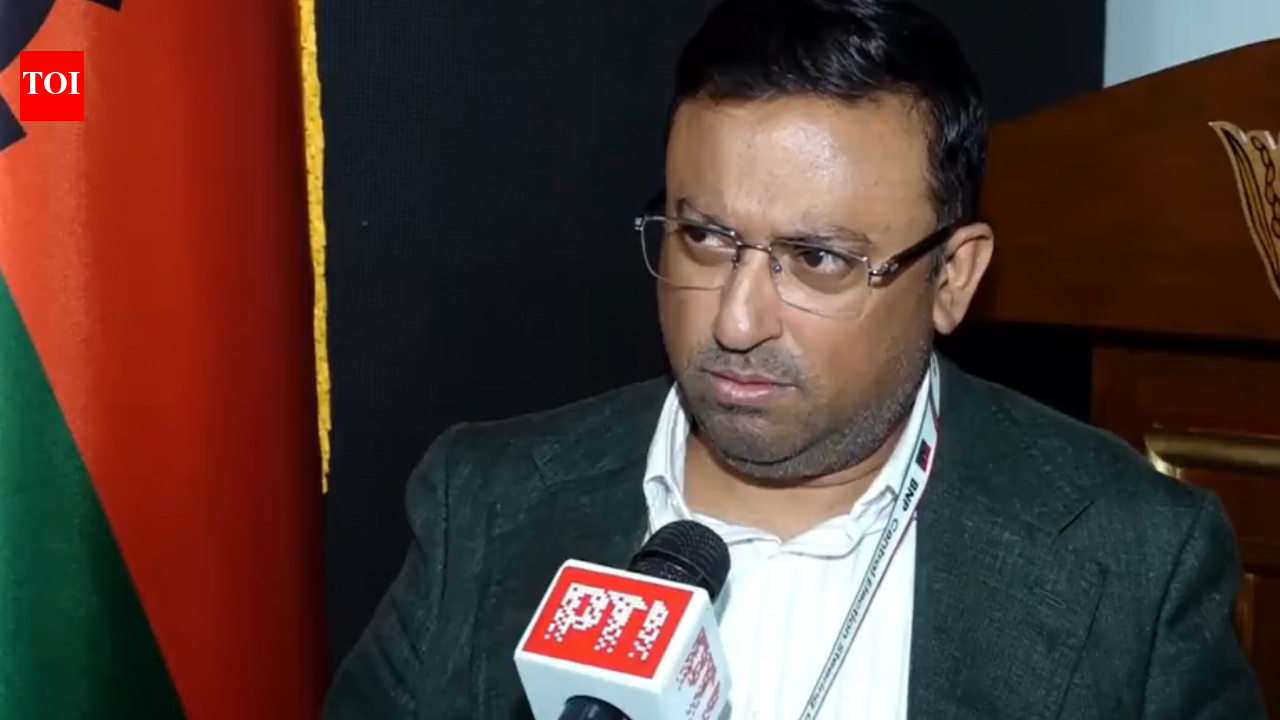
Bangladesh Nationalist Party chairman Tarique Rahman’s adviser Humayun Kabir on Saturday said that “Hindu extremism and far-right intolerance” are growing in India, describing radicalisation as a wider South Asian concern. He also called for balanced and cooperative ties with New Delhi as the BNP prepares to form the next government following its sweeping electoral victory.
In an interview with PTI, Kabir said, “Radicalisation is a problem in South Asia. We see Hindu extremism and far-right intolerance growing in Indian society, and in Pakistan, we also hear of extremist elements. In Bangladesh, it is not at that level, but there are some issues,” he said.He emphasised that regional governments must work together instead of functioning in isolation.“That is why all of us need to share counter-terrorism evidence and assessments and strengthen cooperation. Sitting in isolation and not engaging in information exchange or security cooperation only hinders progress,” Kabir said.“It is important to have cooperation at all levels, which is the norm of diplomacy, especially between elected governments in our region. Going forward, information sharing and working together will build confidence in detecting and tracking terrorists and extremists in the region,” he added.Kabir also responded to questions about India’s concerns regarding the safety of minorities, especially Hindus in Bangladesh.Referring to the previous government led by Sheikh Hasina, he said, “For the last 15 years under the Hasina regime, there have been deep and disturbing concerns that the foreign policy was more aligned with India’s foreign policy rather than Bangladesh’s. These concerns will continue to exist.”He said that the BNP would pursue what he described as a more balanced foreign policy.“What we want are balanced relations. We will not limit our relationships to a single country, and we will not accept any agreements that prevent us from doing business with others. We will avoid such agreements and disclosures,” he said.On allegations of minority violence, Kabir maintained that communal harmony prevails in Bangladesh.“The minority violence seen in India does not exist in the same form in Bangladesh, where communal harmony prevails,” he said.Providing context on the political transition, he added, “After the 5th August uprising, Bangladesh was without a government for five days, yet no one attacked minorities, as our leader, Tarique Rahman, urged people to remain calm and not take the law into their own hands.”“He provided calm leadership to ensure stability until the interim government was formed. In Bangladesh, Muslims and minorities live together peacefully, and communal harmony is strong,” Kabir said.The remarks come as the Bangladesh Nationalist Party (BNP) secured a sweeping victory with more than two-thirds majority in the parliamentary elections held after the 2024 uprising that led to the ouster of Sheikh Hasina.The issue of minority safety has been under renewed focus following recent incidents of violence. Just days before the parliamentary elections, a 62-year-old Hindu trader, Susen Chandra Sarkar was hacked to death inside his shop in Mymensingh district. Police said unidentified assailants attacked him with a sharp weapon and later fled the scene.
