
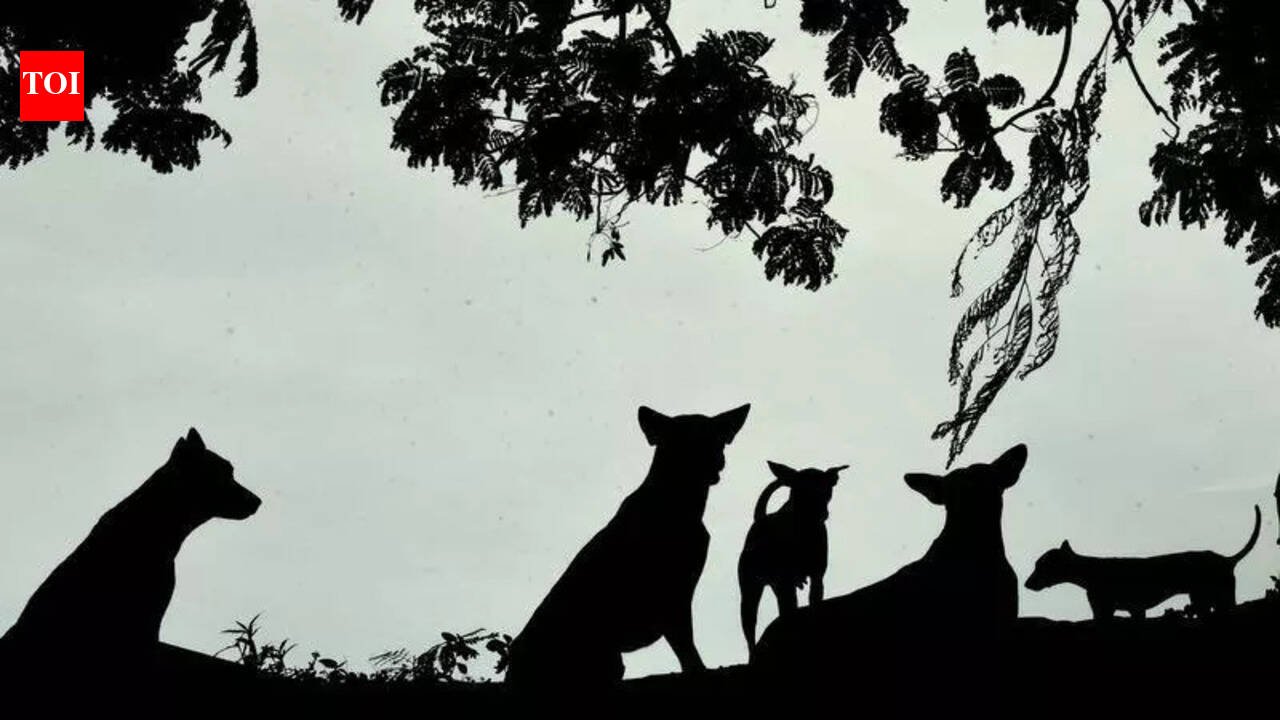
Thiruvananthapuram: Hundreds of dogs classified as vaccinated against rabies died in the state capital in 2024–25, says official data. This raises concerns over gaps in coverage, delayed intervention and follow-up in anti-rabies vaccination drives.Of the 582 confirmed canine rabies deaths recorded during the period, 145 occurred before vaccination, while 437 were reported in the “after vaccination” category. Veterinary experts clarified that deaths reported after vaccination need not necessarily indicate vaccine failure, but could be due to incomplete dose, delayed administration after exposure, or animals already incubating the virus at the time of vaccination. During the same period, 3.26 lakh dogs were administered prophylactic anti-rabies vaccines, while 37,289 dogs received vaccination after suspected exposure. Despite the scale of immunisation efforts, officials said that ensuring vaccination of entire stray dog population remains a challenge, particularly in urban areas with high animal density and movement. A similar pattern was recorded among cats. The district reported 96 rabies deaths in cats, including 24 before vaccination and 72 after vaccination. Data show that 8,007 cats received preventive vaccination, while 2,490 were given post-exposure shots. A former joint director of animal husbandry department said that improving booster compliance, cold-chain monitoring and systematic tracking of vaccinated animals is critical to reducing rabies mortality. “Vaccination is usually given during the animal birth control procedure. But protective antibody levels decline over time, making booster doses essential. Deaths reported after vaccination often point to late intervention, absence of boosters, or poor tracking of revaccination schedules,” he said. “Most importantly, we need to understand that in rabies deaths, around 60% of bites are from domestic dogs. People often ignore the risk assuming it is a domestic dog. The govt must take this into account before framing policy,” said Dr V Ramkumar, a veteran veterinarian and former national secretary of Indian Veterinary Association. The district has 140 veterinary sub-centres, 72 dispensaries and 23 hospitals. However, experts said infrastructure alone is insufficient to curb transmission without coordinated monitoring, sustained stray dog management and periodic booster coverage. Senior veterinary officials acknowledged operational gaps, noting that several govt veterinary hospitals lack reliable backup power, affecting refrigeration during outages. Animals vaccinated after exposure require adequate time to develop protective antibody levels. “If a dog is already incubating the virus or exposed shortly before vaccination, protective titres — generally considered above 0.5 IU/ml — may not develop in time,” a veterinary surgeon said.
