



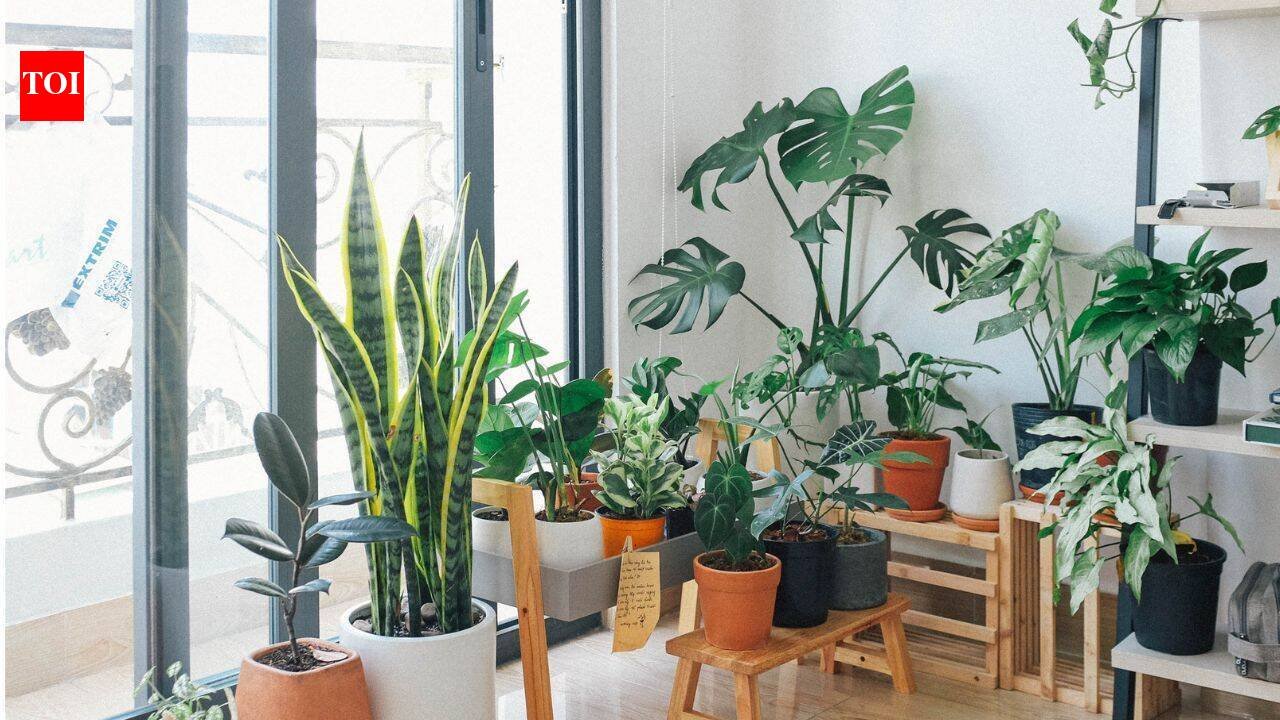
Chemical sprays can turn your seating into a cloud of strong unpleasant smells. Instead, try growing plants that naturally keep pests away around your garden, patio, or near windows. These natural plant defenses emit a mild scent when intact, but release stronger oils that confuse insects’ sense of smell when crushed or brushed. Here are five scientifically backed plants to keep bugs away.Lavender (Lavandula)Lavender is known for its calming smell. Bugs don’t like it at all. Its leaves have lots of linalool and linalyl acetate. Chemicals that confuse the senses of mosquitoes, fleas, moths, and flies. Research in bug science shows that linalool, when concentrated, works as a natural repellent. Put lavender near sunny doorways, seating areas, or windowsills. It will help keep flying bugs while you enjoy its pretty flowers.Marigolds (Tagetes)Gardeners have used marigolds for years as friends to plants. Science now agrees. They work. Marigolds give off alpha-terthienyl and limonene, which bugs don’t like. These help keep whiteflies, aphids, mosquitoes, and tiny soil pests like root-knot nematodes away. A 2019 field study found that planting marigolds with tomatoes cut down on whitefly problems in greenhouses. Plant marigolds along garden edges or in container borders to create an chemical shield around your vegetables or seating areas.LemongrassLemongrass is where citronellal and citral come from. The natural oils used in many bug repellents. Mosquitoes use parts of their nose to find people by following carbon dioxide. The strong citrus smell from lemongrass messes with that. Studies in mosquito control show that oils from Cymbopogon plants (like lemongrass) are effective at keeping mosquitoes. Since lemongrass grows tall and bushy, plant it in outdoor pots to form a living wall of protection along your patio.BasilBasil is great in the kitchen. It also helps keep pests out. Its leaves have estragole, eugenol and linalool. Oils that bugs don’t like. These oils act as repellents and even stop mosquito larvae from growing. Lab tests showed that extracts from basil and holy basil were very good at keeping mosquitoes away and killing their young. Keep basil on your patio table or kitchen counter. A little breeze or touching the leaves releases oils into the air around you.PeppermintPeppermint is known for its menthol. It makes people feel cool. Bugs find it irritating. Ants, spiders, mosquitoes, and even rodents avoid areas with peppermint. Science shows peppermint oil works as a direct poison and a smell-based repellant for common indoor pests. Since mint spreads fast in soil grow it in pots near seating areas or along outside walls. This helps catch crawling bugs before they get close.Maximizing effectivenessPlants give off mild scents on their own, but you can boost their power. When you’re sitting nearby, gently brush the stems. Rub a few leaves between your fingers. This releases oils into the air. Group three or four repellent plants together around your patio. They work better when close to each other than when spread out. Also don’t let water collect in plant saucers or trays. Standing water can attract mosquitoes no matter how strong the plant’s smell is.
