



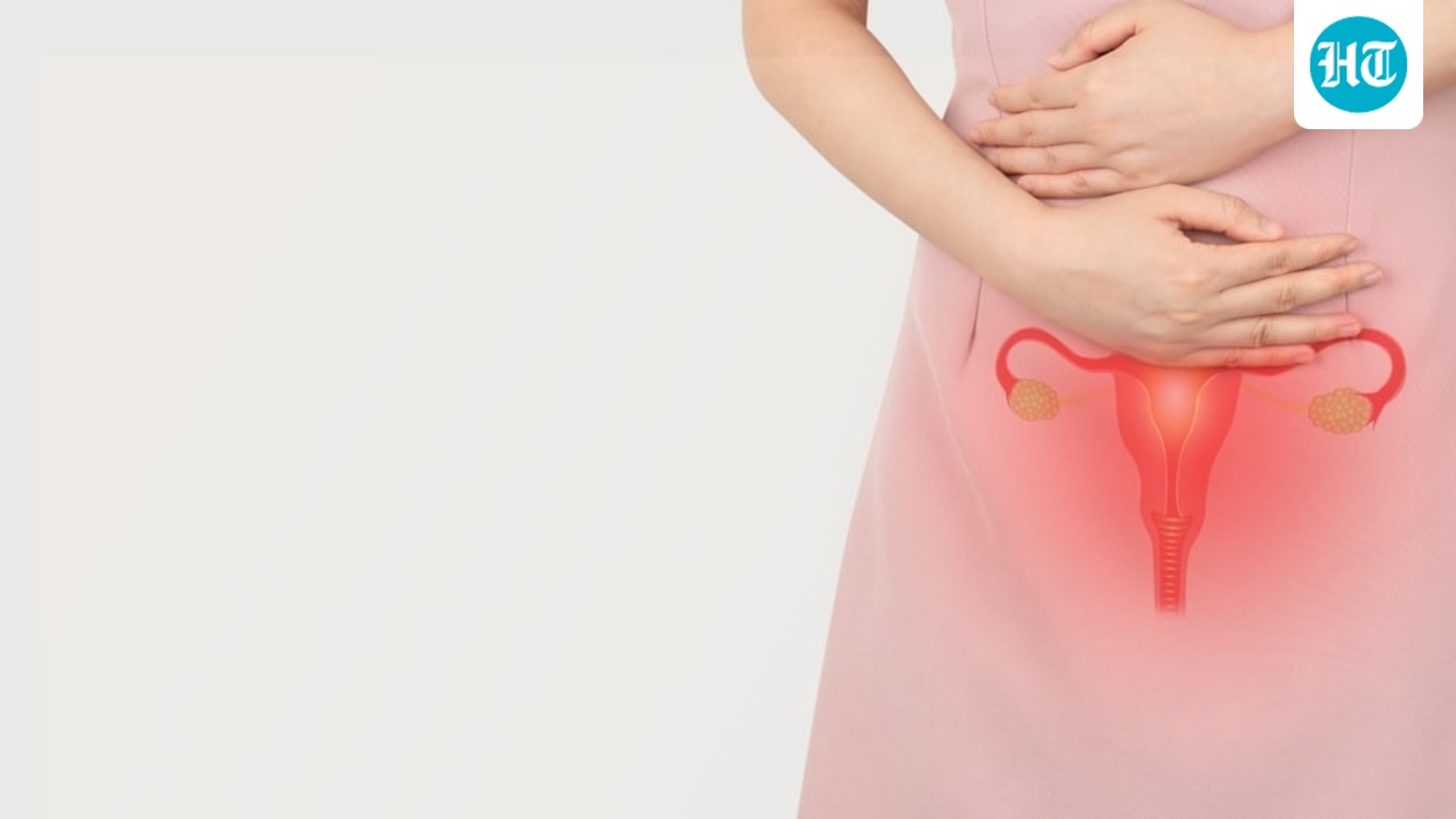
Ovarian cysts are one of the most common health concerns among women aged 15 to 45, often causing pelvic pain, bloating, irregular periods and hormonal imbalance. While most functional cysts resolve on their own, many women look for a long-term, natural solution. Can Ayurveda offer a permanent answer? We spoke with renowned Ayurveda and fertility expert Dr Chanchal Sharma, founder of Asha Ayurveda in New Delhi.
What is Ayurveda?
Dr Chanchal Sharma explains, “Ayurveda is derived from two Sanskrit words- ‘ Ayush,’ meaning life and ‘Veda’, meaning knowledge. It is the science of life. Unlike systems that only manage symptoms, Ayurveda focuses on the root cause. Ayurveda rests on four pillars: balancing the doshas, treating the root cause, using natural herbs and lifestyle corrections, and a holistic approach that includes physical, mental, and hormonal health.
What is an ovarian cyst?
An ovarian cyst is a fluid-filled sac that develops inside or on the surface of an ovary. If the egg isn’t released properly, or the follicular sac doesn’t close after releasing it, fluid can accumulate and form a cyst.
Types of ovarian cysts:
- Functional cysts: Follicular and Corpus Luteum cysts, formed due to hormonal changes during ovulation.
- Endometrioma: Formed due to endometriosis.
- Cystadenoma: Formed from the outer surface of the ovary.
- Polycystic ovaries: Common in PCOS, where many small follicles develop but fail to ovulate.
How to identify symptoms?
Common symptoms include pelvic pain, bloating, irregular periods, pain during intercourse and frequent urination. Severe symptoms that need immediate medical attention include sudden, sharp pelvic pain, severe abdominal pain with nausea and dizziness. Hidden symptoms include fatigue, digestive issues, and breast tenderness.
Can Ayurveda treat ovarian cysts naturally? Yes, says expert
Dr Chanchal Sharma says, “In Ayurveda, an ovarian cyst is considered as ‘Granthi’ and is mainly a Kapha-Vata disorder. It forms due to accumulation of toxins (Ama) caused by poor digestion, an unhealthy diet, and hormonal imbalance. Our aim is not just to shrink the cyst, but to correct the hormonal imbalance and improve ovarian function so that cysts do not recur.”
Effective Ayurvedic approach for ovarian cysts:
1. Panchakarma therapy
Considered highly effective for detoxification.
- Virechana: A medicated purgation therapy that removes toxins through the bowel and helps balance hormones.
- Anuvasana basti: The core of Panchakarma for gynaecological disorders. A medicated ghee-based enema is given to balance Apana Vayu, which governs menstruation and ovarian function.
2. Shamana chikitsa (herbal management)
Use of classical Ayurvedic formulations like Kanchanar Guggulu, Ashokarishta and Shatavari under expert supervision to support hormonal balance and reduce cyst size.
3. Yoga and lifestyle
Specific yoga asanas like Bhujangasana, Supta Baddha Konasana and Pranayama like Kapalbhati, when done under expert guidance, improve blood circulation to the ovaries and show results within 3-4 months.
4. Dietary corrections
Including curd for gut health, ginger to reduce inflammation, and avoiding processed and Kapha-increasing foods.
Dr Sharma advises, “Every cyst is different in size and nature. Self-medication should be avoided. Proper sonography and Ayurvedic Nadi Pariksha are essential before starting any treatment.”
(Disclaimer: This article is for informational purposes only and is not a substitute for professional medical advice. Always seek the advice of your doctor with any questions about a medical condition.)
