



A year on from the ceasefire in Gaza, Israel continues to carry out near-daily strikes on the territory – saying it is targeting Hamas operatives – and maintains control of more than half of it.
More than 74,000 people have been killed in Israeli attacks on Gaza since 7 October 2023, according to the Hamas-run health ministry – whose figures are considered reliable by the UN.
In the West Bank, attacks by Jewish settlers are at an all-time high, according to UN records, while Israeli settlements, which are illegal under international law, are rapidly expanding.
So for Palestinians, the shape of Israel’s government is a major factor in their lives.
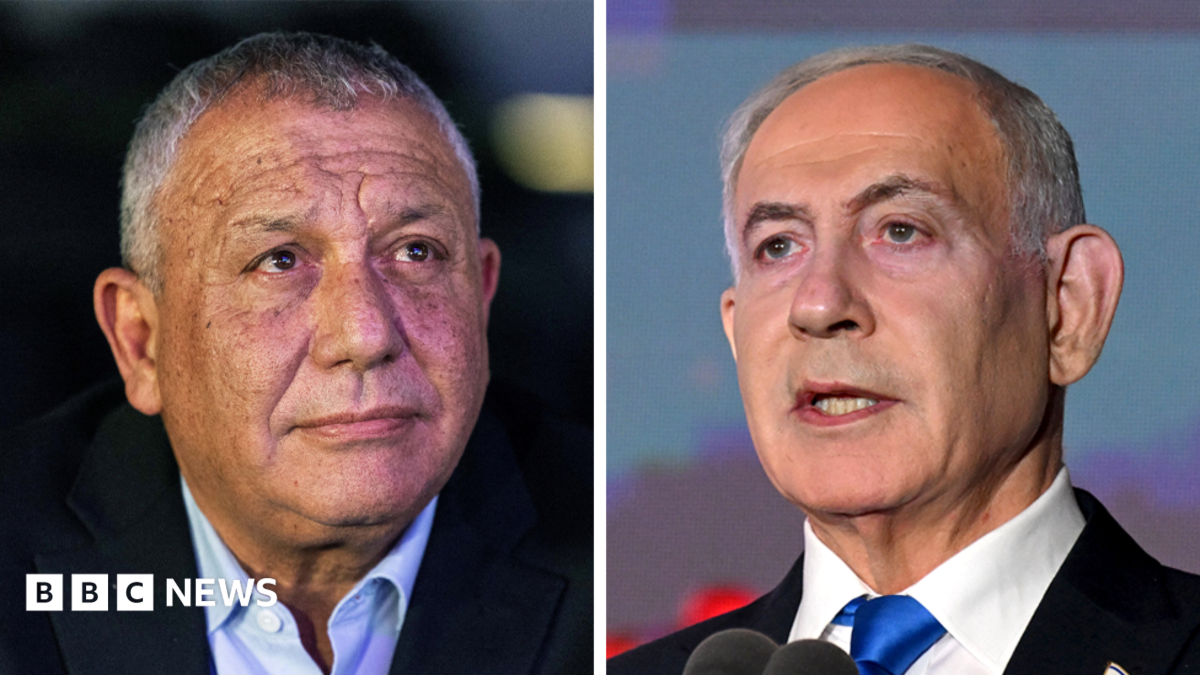
On Gaza, the two leading camps – headed by Netanyahu and Eisenkot – hold similar positions – with both supporting Donald Trump’s peace plan, which would see Hamas give up its weapons in exchange for a phased Israeli troop withdrawal from the territory. Eisenkot recently pledged to end Hamas rule in the territory within 18 months, through military means if necessary.
In the West Bank, Netanyahu’s camp largely wants to continue with its policy of settlement expansion.
Eisenkot supports Israeli settlements in general, but opposes proceeding with the controversial E1 settlement project which would, in effect, split the West Bank in two. He also wants to close some unauthorised settler outposts built on Palestinian land, create conditions for a final peace settlement with the Palestinians, and crack down on extremist Jewish settlers.
For decades, many mainstream Israeli politicians advocated for a two-state solution – the creation of an independent Palestinian state in peaceful coexistence alongside Israel – although Netanyahu has long opposed it. But support for the idea has been declining for years. In this election, none of the leading Jewish parties are campaigning on it, and many have outright rejected it.
