



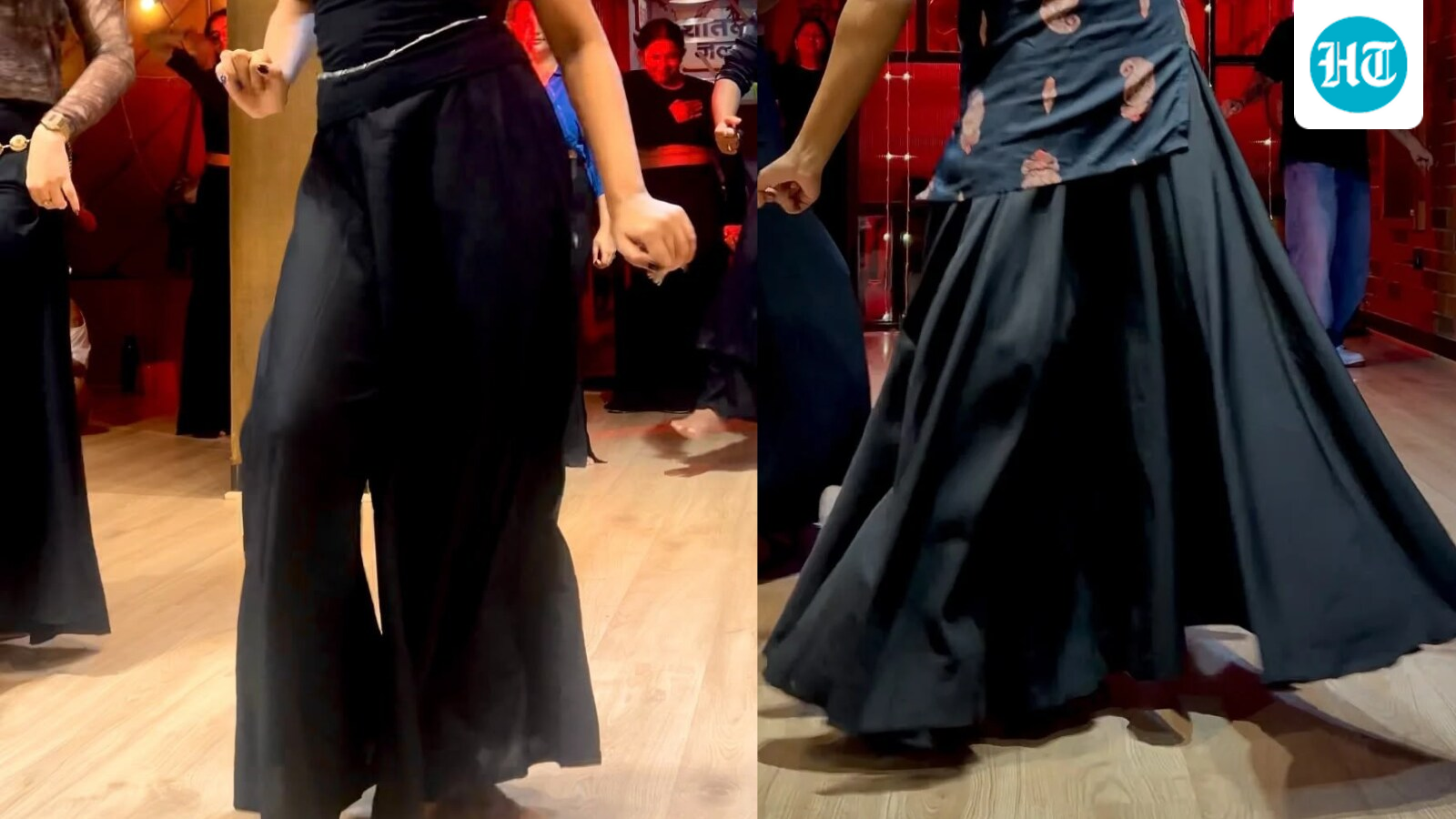
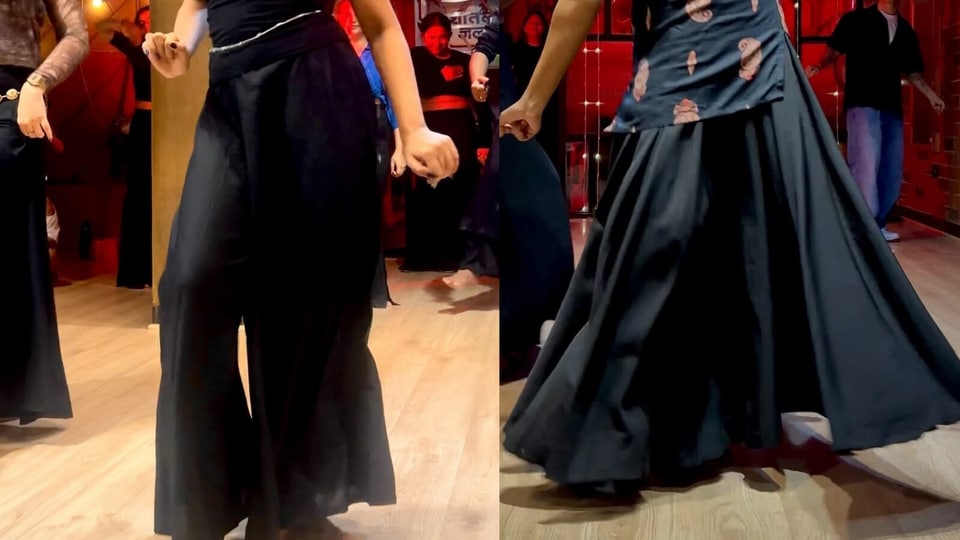

When I needed outfits for two different dance workshops at short notice, I wanted bottoms that would let me move comfortably without spending too much. I also wanted something I could wear again, rather than buying clothes for a single occasion. I ended up buying two black flared styles: the JYESHTA Women’s Crepe Long Skirt and the Super Soft Flared Solid Rayon Sharara.
Both purchases turned out to be practical additions to my wardrobe. They were comfortable to dance in, easy to move around in and simple to pair with different tops. Black also made styling easier because I did not have to worry about finding an exact colour match.
With the festive season in full swing, flared skirts and sharara-style palazzos are worth considering beyond dance workshops. They can be paired with corset tops, traditional blouses, tie-up tops, cholis and even simple fitted T-shirts, depending on the occasion. Here is what I liked about the two pieces I bought and how I would style them.
1. JYESHTA Women’s Crepe Long Skirt: A versatile flared silhouette
The JYESHTA skirt is a long, high-rise, fit-and-flare style made from American crepe, with a drawstring closure. Its floor-length silhouette gives it the look of a simple ghaghra, making it a useful option if you want the volume of a traditional skirt without committing to a heavily embellished lehenga.
I bought it for a dance workshop, so comfort and ease of movement mattered more to me than elaborate detailing. The flared shape made it a practical choice, and I liked that I could wear it with different tops instead of having to plan an entire coordinated outfit around it.
What I liked about it
The biggest advantage of a plain black skirt is how much styling freedom it offers. For a dance session, I could keep things simple with a fitted top. For a festive outing, I could dress it up with a blouse, statement earrings and a pair of juttis or heels.
The long, flared silhouette also lends itself to movement-focused outfits. If you enjoy dance workshops, you know that an outfit needs to feel comfortable while you practise steps, turn and move around. I chose this skirt with that practical requirement in mind.
Another advantage is that a plain skirt can be worn across different settings. You do not necessarily have to reserve it for ethnic occasions. A corset top or a structured bustier can give it a contemporary evening look, while a short kurti or a choli can make it feel more traditional.
How I would style it for the festive season
For a festive get-together, I would pair the black skirt with a jewel-toned corset top in purple, emerald green or wine. A fitted blouse with a square or V-neckline would also work well, especially if I wanted a more understated outfit.
For a more traditional look, I would choose a richly coloured choli, add gold jewellery and finish with a small potli bag. If the top already has embroidery, I would keep the accessories relatively simple so the overall look does not feel overdone.
My verdict: This is the kind of versatile bottom I would consider when I need an affordable, reusable alternative to a complete festive outfit. Check the listed length and measurements before ordering, particularly if you are petite or prefer a specific skirt length.
2. Super Soft Flared Solid Rayon Sharara: A comfortable alternative to a skirt
The second purchase was a solid-coloured, flared rayon sharara. Unlike a long skirt, a sharara has separate legs, which can make it a useful alternative for people who prefer the coverage and practicality of trousers while still wanting a flowing silhouette.
I bought this piece for another dance workshop, and comfort was again a priority. I wanted something I could move in without feeling restricted by a stiff or overly structured outfit. The soft, flared style suited that purpose, and its simple black colour made it easy to coordinate with tops I already owned.
What I liked about it
For me, the appeal of a sharara lies in its balance of comfort and volume. It can have the visual impact of a wide, flowing bottom while offering the practicality of trousers. That makes it worth considering for dance sessions, casual festive gatherings and occasions when you want to dress up without wearing a conventional salwar suit.
The plain finish is another advantage. I can pair it with a fitted top for a contemporary look or choose a more traditional blouse or choli for a festive outfit. It is also easier to rewear a simple black bottom because the overall look changes depending on the top, jewellery and footwear.
For a dance workshop, I would prioritise a comfortable fit around the waist and hips, along with enough room through the legs to move freely. If you are buying a sharara specifically for dancing, check its measurements and try a few movements at home before wearing it for a full session.
How I would style it for the festive season
A short choli or a cropped blouse would create a coordinated ethnic look, while a tie-up top would make the outfit feel more relaxed and contemporary. For an evening celebration, I would pair it with a corset top, metallic earrings and heeled sandals.
You could also wear it with a contrasting embroidered blouse and a dupatta for a more traditional finish. If the top has mirror work, sequins or other statement detailing, the plain black bottom helps keep the outfit visually balanced.
My verdict: A flared sharara is a practical option if you want the movement and volume of festive ethnic wear with the convenience of trousers. As with any online purchase, check the fabric composition, size chart and care instructions on the current listing before buying.
Flared skirts vs flared shararas: Which should you buy?
Both pieces worked for the purpose I bought them for, but they offer slightly different styling possibilities.
- Choose a long flared skirt if you like the look of a ghaghra, want a continuous skirt silhouette or enjoy pairing ethnic bottoms with corset tops and blouses.
- Choose a flared sharara if you prefer separate legs and want a trouser-style alternative that still has plenty of volume.
- Choose black if versatility is your priority. It works with bright colours, metallics, jewel tones, prints and many types of festive tops.
- Check the fit before buying if you intend to dance in either piece. Length, waist fit and freedom of movement matter just as much as appearance.
Neither item needs to be restricted to the occasion for which you bought it. With the right top and accessories, both can be styled for festive gatherings, dinners, dance events and casual celebrations.
How to style black flared bottoms for festive occasions
The best thing about buying a simple black skirt or sharara is that you can change its look without buying another complete outfit. Here are four combinations I would try:
1. Black skirt + corset top: A fitted corset top adds structure and creates a contemporary silhouette. Choose a satin or embellished finish for an evening event.
2. Black sharara + tie-up top: This is a good option for a modern festive look. Add jhumkas or statement hoops and keep the footwear comfortable.
3. Black skirt + traditional blouse: A brocade, silk-look or embroidered blouse can make a plain skirt feel more festive. A dupatta is optional, depending on how traditional you want the outfit to look.
4. Black sharara + choli: For a more ethnic combination, pair the sharara with a cropped choli, gold-toned jewellery and embellished flats or juttis.
For both pieces, I would start with the top and decide how much jewellery the outfit needs afterwards. If the top is already elaborate, simple earrings and a clutch can be enough. If the top is plain, statement jewellery can make the outfit feel occasion-ready.
Are these two black flared bottoms worth buying?
For my needs, both were useful last-minute purchases because they were affordable, comfortable and easy to pair with different tops. I bought them for two dance workshops, but I can see myself styling them again for festive occasions instead of letting them sit unused in my wardrobe.
The JYESHTA skirt is the better fit for someone who wants a long, flowing ghaghra-style silhouette. The rayon sharara is worth considering if you prefer a trouser-style bottom with a flared shape. Both demonstrate why simple separates can be practical wardrobe investments: you can change the look by switching the top, jewellery and footwear.
My advice is to choose based on the silhouette you prefer, check the current size chart and listing details, and think about how many outfits you can create with pieces you already own. That is what makes an affordable purchase genuinely useful.
Similar stories for you:
5 Capsule fashion investments for September 2026 that skip the microtrend noise
The ‘Quiet Luxury’ secret: 5 Simple fashion hacks to look expensive on a budget
Banarasi, Chanderi, Bandhani or Ajrakh: 4 Indian fabrics I’m exploring
Disclaimer: At Hindustan Times, we help you stay up-to-date with the latest trends and products. Hindustan Times has an affiliate partnership, so we may get a part of the revenue when you make a purchase. We shall not be liable for any claim under applicable laws, including but not limited to the Consumer Protection Act, 2019, with respect to the products. The products listed in this article are in no particular order of priority.
