



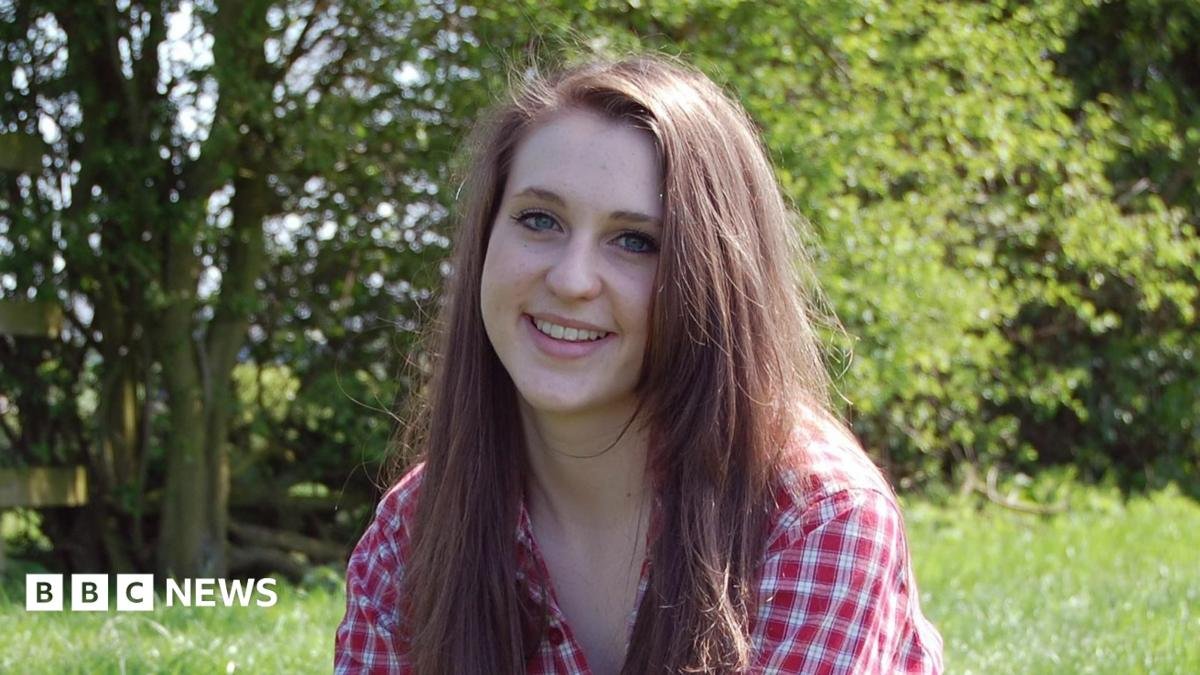
Hills said stalking victims should not need to be scared for more serious charges or punishments to be imposed.
“It’s a weird thing, if something is trying to scare you, and you say you’re scared then they’ve sort of won,” she said.
“If you admit you’re afraid, you’re handing your stalker a bit of help. Why is it all on the victim, and how the victim feels?
“You would never say that about a burglary to a house, would you?
“It’s a weird judgement to make.”
Ten years on from Alice’s death, the Alice Ruggles Trust is continuing to focus on educating young people about stalking, through school assemblies and PSHE (personal, social, health and economic) lessons.
In the past year, the trust has taught more than 4,000 young people to spot the signs of stalking, understand what healthy relationships are, and how to get help. It said it had also trained 600 professionals to recognise stalking and respond appropriately.
Hills said the trust aimed “to put an end to stalking”.
“I think that it’s true that the work that the trust is doing is changing people’s lives,” she said. “It’s for both stalkers and potential perpetrators.
“It’s important that people who are potential perpetrators get that education as well. Do they actually know that it’s wrong to keep messaging someone?
“I know it’s happened quite a lot that people have said they’ve realised that a friend was actually stalking his partner.
“So they were able to say to him, do you realise what you’re doing is wrong, and you’ve got to stop?”
