



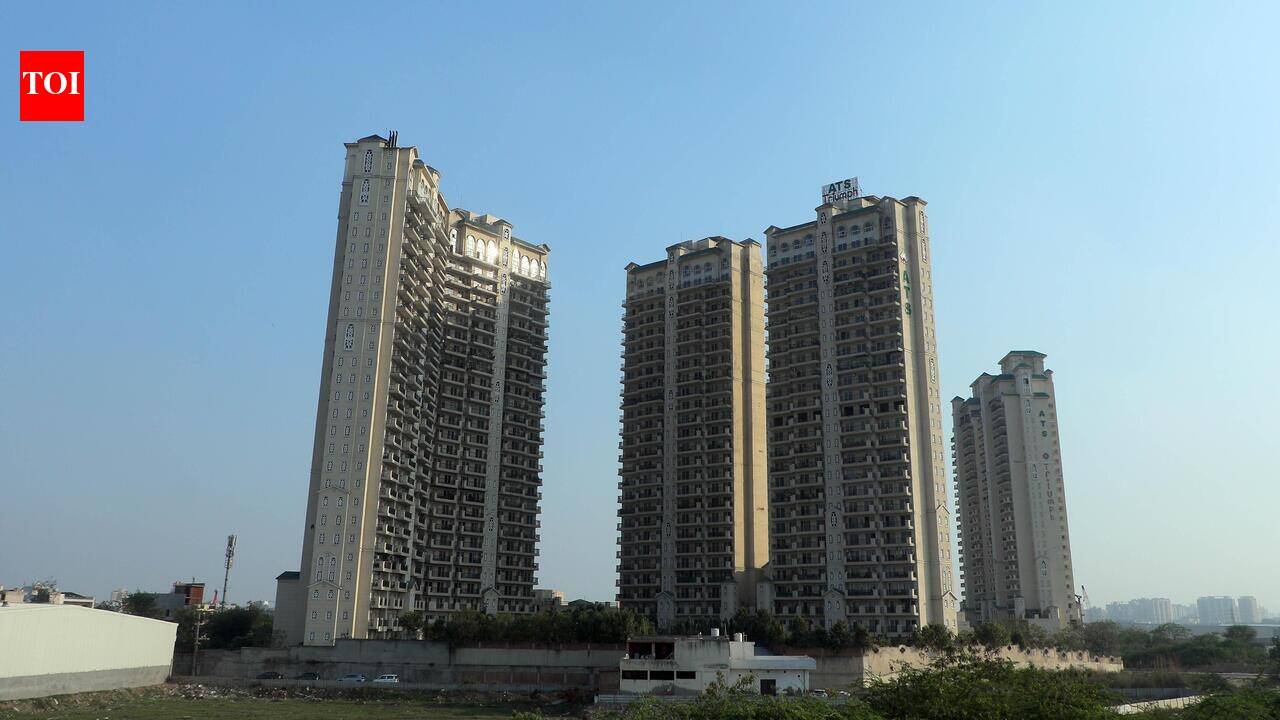
Gurgaon: Dakshin Haryana Bijli Vitran Nigam (DHBVN) has directed the developer of ATS Triumph to immediately implement a unified billing system. In a letter dated Oct 15, the sub-divisional officer of DHBVN’s New Palam Vihar directed Great Value HPL Infratech to delink maintenance and diesel generator (DG) charges from residents’ prepaid electricity wallets.The directions follow recent Haryana Electricity Regulatory Commission (HERC) findings that flagged prolonged lapses in electricity infrastructure and billing at the society in Sector 104. HERC had ordered an audit of power bills dating back to May 2019 and directed the developer and its maintenance agency to refund excess charges identified through the exercise. HERC also held DHBVN accountable for failing to enforce electricity infrastructure and billing requirements. The audit is yet to establish the final amount, if any, to be refunded to residents.“Separating these components is intended to prevent non-electricity dues from triggering the risk of disconnection through the prepaid grid-electricity wallet,” said Navdeep Singh, a resident on whose complaint HERC issued the direction.The Oct 15 notice sets out DHBVN’s compliance directions but does not establish whether the developer has implemented them. Once implemented, it will be the first in the city’s group housing societies where DG and common-area maintenance charges will be delinked from the electricity bill. The residents of group housing societies have been complaining about overcharging and a violation of the electricity tariff.Under the existing single-point supply arrangement, a distribution company supplies electricity to a housing society through a common connection, while the developer or RWA manages internal distribution and bills individual residents. Disputes can arise over the application of domestic and non-domestic tariffs, common-area consumption, rebates and the reconciliation of meter readings.There are 502 single-point connections in the city, which are for townships, condominiums and colonies. Under a single-point connection, DHBVN prepares one bill for the entire society. The developer or RWA, which provides a branch-out connection, prepares individual bills for the flats.The dispute extends beyond billing. The society, which has more than 300 occupied flats, has been operating on an 11kV supply with a connected load of just 500kW against a sanctioned load of 3,895kW, despite receiving its occupation certificate in May 2019.HERC directed the developer and associated entities to comply with an earlier consumer grievance redressal forum order within 90 days. If they fail, DHBVN’s executive engineer must encash the developer’s bank guarantee of around Rs 8 crore and arrange permanent 33kV infrastructure, releasing the full sanctioned load within a further 90 days.The commission also directed DHBVN’s sub-divisional officer and IT wing to complete onboarding on the unified billing system within 30 days, enabling direct domestic-tariff billing and ending manual billing. The billing directions are significant for residents because charges for electricity supplied through the distribution network are distinct from maintenance and DG-related collections.
