



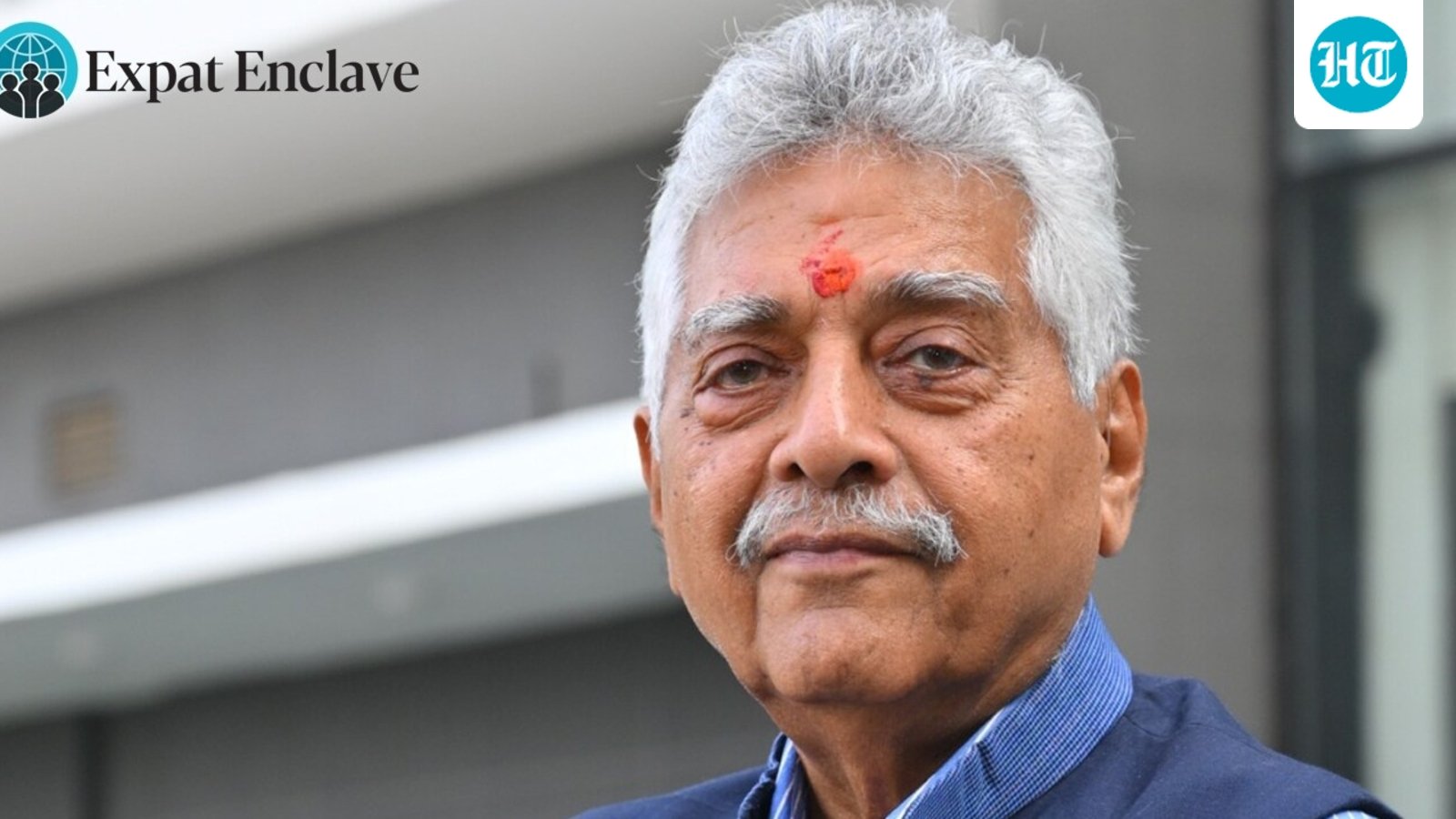
For Ashok Kapur, chairman of Krisumi Corporation, Japan is more than a business partner’s home country. It is a place he has returned to repeatedly over the past 35 years, absorbing lessons in discipline, time management, professional commitment and the value of building relationships that last. Those experiences, combined with his background in the automobile business, helped shape the idea behind Krisumi — a real estate venture bringing Japanese design sensibilities and Indian hospitality to Gurugram.
Krisumi Corporation is a joint venture between Japan’s Sumitomo Corporation and India’s Krishna Group. Its integrated development, Krisumi City, in Sector 36A along the Dwarka Expressway, seeks to translate the Indo-Japanese association into a residential experience, with Japanese-inspired architecture, amenities and a community that includes residents from Japan.
Kapur’s association with Japan grew through his business interactions and repeated visits to the country. Over the years, he said, he came to admire the way Japanese professionals approach their work: with punctuality, discipline, attention to detail and a commitment to delivering what has been promised. He considers Japan his second home and sees these values as central to both business success and lasting relationships.
His experience in the automobile industry also gave him an appreciation of Japanese standards, where quality checks, process discipline and consistency are integral to the final product. The transition into real estate, therefore, was not simply about constructing homes. It was about bringing those principles into the way a residential development is planned, delivered and experienced.
For Kapur, commitment is as important as commercial success. He has described the partnership with Sumitomo as a lifelong relationship, comparing it to marriage, where the intention is to build a lasting bond rather than walk away when circumstances change. The philosophy, he believes, must extend beyond the business agreement to the relationship with homebuyers — through quality, delivery and attention to the experience of living in a development.
A Japanese community in Gurugram
That philosophy is visible in Krisumi City’s growing international community. According to the company, around 125 Japanese nationals live in the development. Its project update lists 100 expatriate residents, including 97 Japanese nationals, one Sri Lankan, one Korean and one Venezuelan, who lease homes at an average rate of ₹100 per sq ft.
The development has a Japanese store and restaurant, alongside other amenities intended to cater to Japanese residents. These facilities help make everyday life more familiar for people living away from their home country, while also introducing other residents to aspects of Japanese culture.
At Waterfall Residences, the developer has reported 395 possessions, with 205 residents having moved in. Of these, 88 homes are owned by residents and 117 are leased, according to the company’s update. Waterfall Residences, Waterfall Suites and Waterfall Suites II are marked sold out, while limited inventory remains at Waterside Residences.
The growing community reflects an aspect of residential development that can be overlooked in discussions about price, location and amenities: how a neighbourhood creates familiarity and belonging for people from different countries and cultures.
Beyond architecture and amenities
Krisumi City’s proposition extends beyond the design of individual homes. The development combines residential, commercial, retail, hospitality and social infrastructure, while The Cascades Club offers a 162,000-sq-ft private members’ club with dining, lounges, an indoor sports arena, spa experiences inspired by Japanese traditions and members-only events.
Yet Kapur’s emphasis remains on the values behind the project. Japanese-inspired living, in this context, is not limited to architecture or aesthetics. It also draws on everyday habits — respect for time, consistency in service, attention to detail and a sense of responsibility towards others.
As Gurugram attracts professionals and families from across India and overseas, developments such as Krisumi City are attempting to build communities around more than a shared address. For Kapur, the larger ambition is to bring together two cultures through a long-term partnership, with quality and commitment shaping not only how homes are built but also how residents experience life within them.
Also Read: Krisumi plans senior living venture, with focus on health and wellness
