



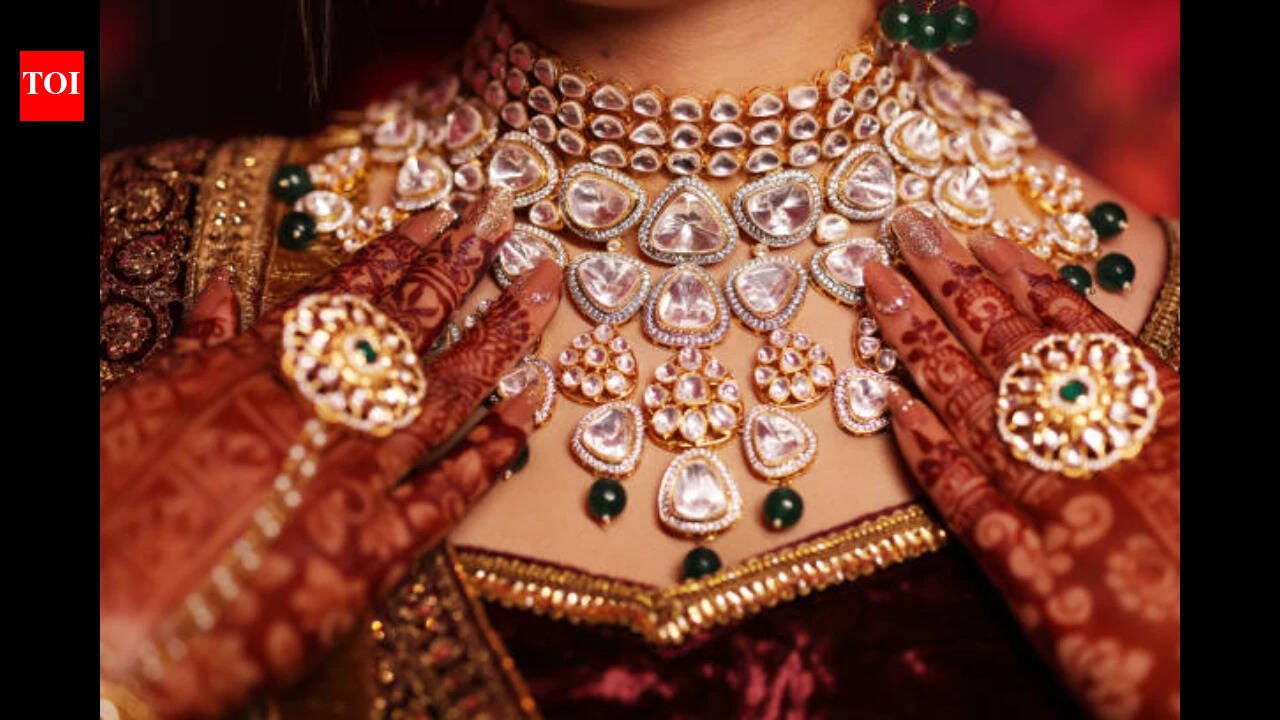
History has regarded the saree as one of India’s most visible cultural canvases, a living expression of inherited identity, regional textile traditions and artisanal skill. However, in today’s modern world, the conversation has broadened. The rich Indian heritage and its craftsmanship are being treasured, reinterpreted and presented to a contemporary audience through another equally impactful medium: jewellery. Rhea Poddar Loyalka, Creative Director, Deshya by Ma Passion, shares insights on the changes jewellery in India is undergoing.This shift has widely influenced the way luxury is perceived. There is a significant rise in the desire for depth and meaning. Material rarity alone does not solely define value; what does is the sum of refined skill, cultural context and human connection engraved within an object. With the landscape changing, the spotlight has also moved towards traditional techniques used in Indian jewellery. Kundan, Meenakari, Jadau, Thewa, Filigree, etc. have garnered renewed relevance and are no longer reserved for important ceremonies or confined to archival collections. They are being reimagined as sculptural silhouettes, versatile everyday pieces and modern heirlooms designed for modern consumers today.For example, Meenakari, always known only as an intricate reverse detail, is moving beyond its conventional role. The aesthetic of contemporary designs is being led by colour, geometry and the hand-painted art of bright Meenakari and its luminous enamel surface. Carved gemstones, which have long been associated with royalty and historic ateliers, are being revamped into cocktail rings, bold earrings and sculptural pendants. These reinterpretations aren’t a nostalgic practice to relive history, but an act of achieving meaningful permanence through creative perpetuity.The driving force of this movement is the artisan. The Karigar, whose identity has long remained a secret, has finally taken centre stage with jewellery’s contemporary evolution. There is knowledge in every calibrated gemstone, hand-applied layer of enamel and precisely executed gold detail that has withstood the test of time. With luxury and craftsmanship joining forces through increased collaborations between premium brands and artisanal communities, the designer-craftsperson relationship is strengthening as a result. This sheds light on the karigar, all the while making the relationship invaluable.With fame and visibility comes great responsibility. It is important for revival not to be driven by mere romanticism, and to stay respectfully rooted. With meaningful craft-led design should come fair recognition, sustainable livelihoods and opportunities for artisans to grow their practice. Traditional skills can be bridged to contemporary markets through institutional initiatives such as artisan identification, cluster development and design training.Heritage being economically strengthened and not merely showcased will narrate the next phase of India’s jewellery story.In this transformation, consumers are active participants too. Present-day jewellery connoisseurs seek meaning and uniqueness in their pieces, with distinctive techniques and unusual material combinations. Jewellery today isn’t a mere investment made to leave an impression for a certain occasion, but a personal medium of expression that allows the world a glimpse into one’s identity. Jewellery is versatile yet impactful, and can be worn with a saree, a plain white shirt or a tailored suit.Jewellery today is not merely an accessory, but wearable craft, cultural memory and contemporary design in equal measure. Innovation is at the core of Indian craft revival, with artisans, designers and luxury houses continuing to work across disciplines. Certainly, Indian heritage is setting a new narrative in the language of jewellery. It’s memorable in the present while being rooted and paving the way for the future.
