



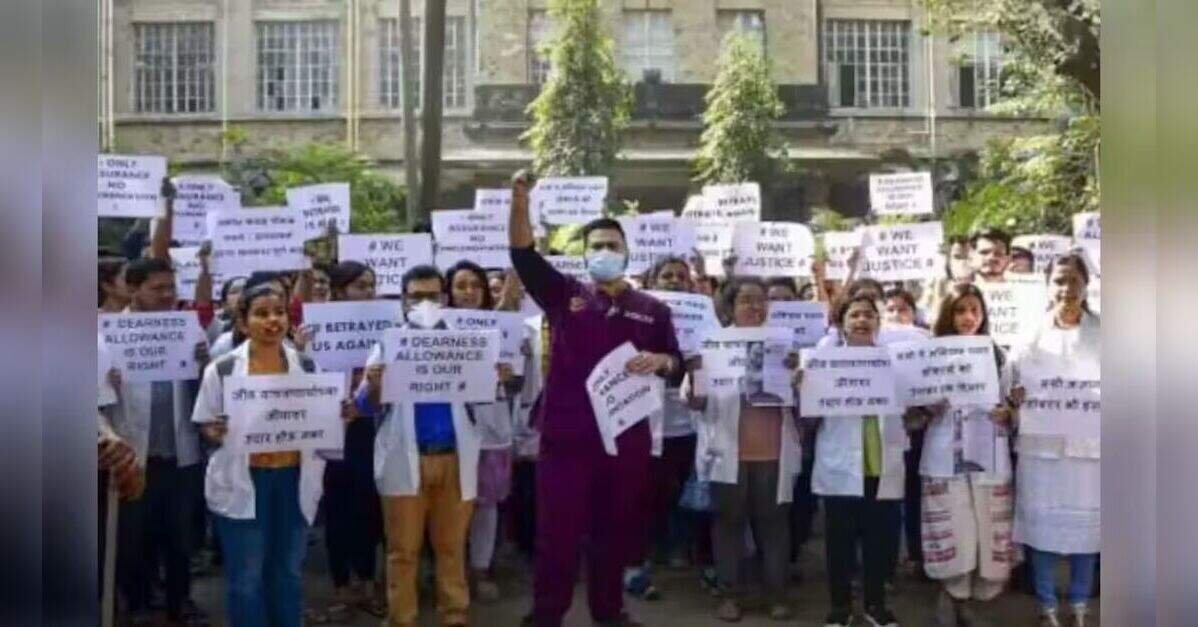
Ranchi: Doctors across Jharkhand will start a statewide protest on Monday to press for long-pending demands, including time-bound ‘Dynamic Assured Career Progression’ (DACP), amendments to the Clinical Establishments Act, and enactment of a Medical Protection Act.
Around 20,000 doctors from district hospitals, medical colleges, and private healthcare facilities will join the agitation. They will wear black badges while attending to patients till Oct 20. They will observe a symbolic strike the next day and launch an indefinite strike from Oct 22 if the state govt does not take concrete action, doctors’ organisation said.
Speaking to TOI, Jharkhand State Health Services Association (JSHSA) secretary Dr Mrityunjay Singh said, “Govt doctors in Jharkhand lag five years behind their Bihar counterparts in terms of financial upgradation. Under the existing rules, doctors in Bihar receive four financial upgradations over 20 years, whereas their Jharkhand counterparts receive the same number over 25 years.”
“The state framed recruitment rules for specialist doctors in 2015, but no DACP rules have been made for them in the past 11 years. The Jharkhand govt should align the rules related to doctors with those followed in Bihar,” he stressed.
Officials of the Jharkhand chapter of the Indian Medical Association (IMA) said, “Hospitals with up to 50 beds, nursing homes and clinics should be exempted from the Clinical Establishments Act to ensure that healthcare facilities can reach up to the remotest corners of the state. Also, a clear regulatory framework is needed under the Act for healthcare facilities with more than 50 beds.”
Citing recurring incidents of violence reported across the state, Singh said, “The doctors need a Medical Protection Act in Jharkhand to ensure the safety and security of medical professionals.”
In September, IMA national president Dr Anil Kumar J Nayak wrote to chief minister Hemant Soren, urging him to consider the demands raised by medical associations and address the concerns of the medical fraternity. States like Bihar, Uttar Pradesh, Haryana, and others have amended the Act according to their needs.
