



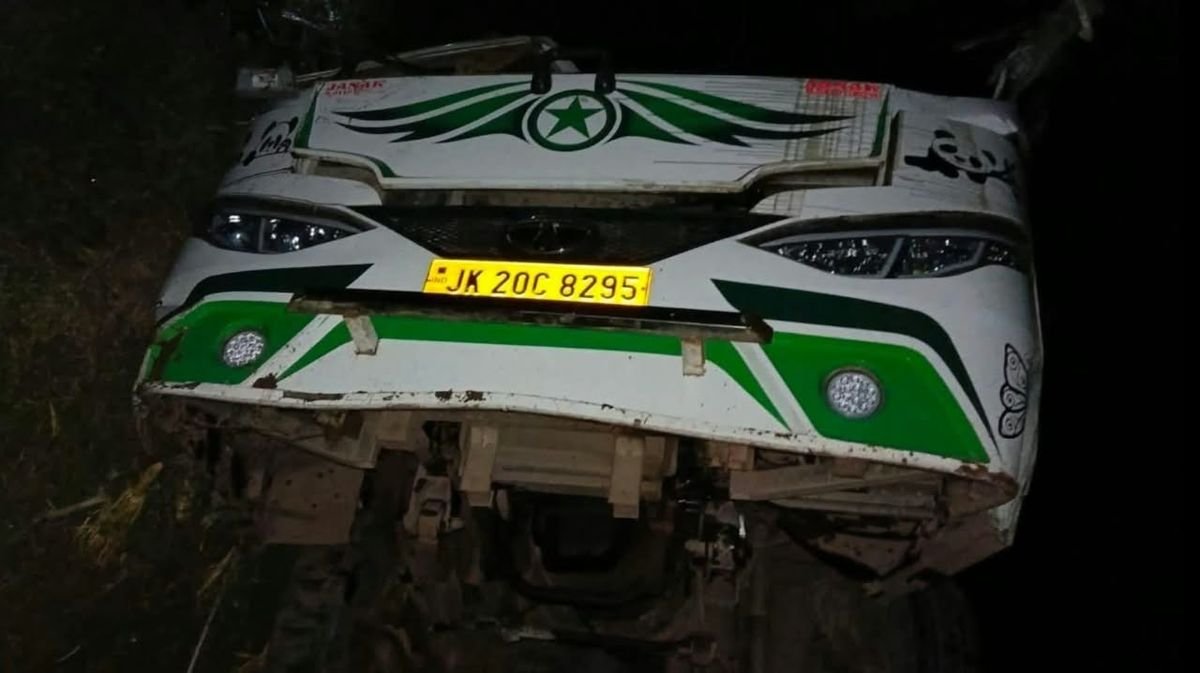
Two deaths and several critical injuries in a passenger-vehicle accident at Bdhog, in the Moghla Teryath area of Rajouri, are not merely figures in a routine accident report. They represent families suddenly pushed into grief, uncertainty and financial distress. The crash, which occurred around 6 pm on Friday after the vehicle skidded off the road, once again raises serious questions about road safety in the region. Locals and police acted swiftly after the accident, rescuing the injured and shifting them to a nearby hospital. Their prompt response is commendable. But emergency assistance, necessary as it is, cannot become the final measure of the administration’s concern. The real test begins after the ambulances leave: why did the vehicle lose control, was the road properly maintained, were protective barriers in place, and had the vehicle and driver met all safety requirements? In the aftermath of such incidents, the familiar phrase “further investigation” often becomes a substitute for accountability. An investigation must not end with recording statements or establishing the immediate cause of the crash. It should examine the wider chain of responsibility, including road engineering, signage, drainage, maintenance, vehicle fitness, overloading, speed control and enforcement. If negligence or preventable lapses are found, responsibility must be fixed clearly and publicly. The hilly roads of Rajouri and other parts of Jammu and Kashmir carry heavy passenger traffic while often lacking the safety features demanded by difficult terrain. Sharp bends, damaged surfaces, inadequate parapets and poor visibility can turn a momentary error into a fatal plunge. Drivers must be held to safety standards, but the burden cannot be placed on them alone. A road that routinely exposes passengers to avoidable danger is also a governance failure. The administration must treat this crash as a warning rather than an isolated event. A district-wide safety audit of vulnerable stretches, especially routes used by passenger vehicles, should be undertaken without delay. Black spots must be identified, barriers repaired, warning signs installed and enforcement strengthened. Vehicle fitness checks and action against rash driving or overloading must be regular, not limited to periods immediately following a tragedy. The injured need sustained medical care, timely referral where necessary and support for their families. The victims’ families deserve prompt compensation and transparent information. Above all, they deserve assurance that the same road will not claim more lives because lessons were ignored. Rajouri does not need another accident reduced to a brief official note. It needs a credible safety response that protects lives before the next vehicle skids off the road.
