



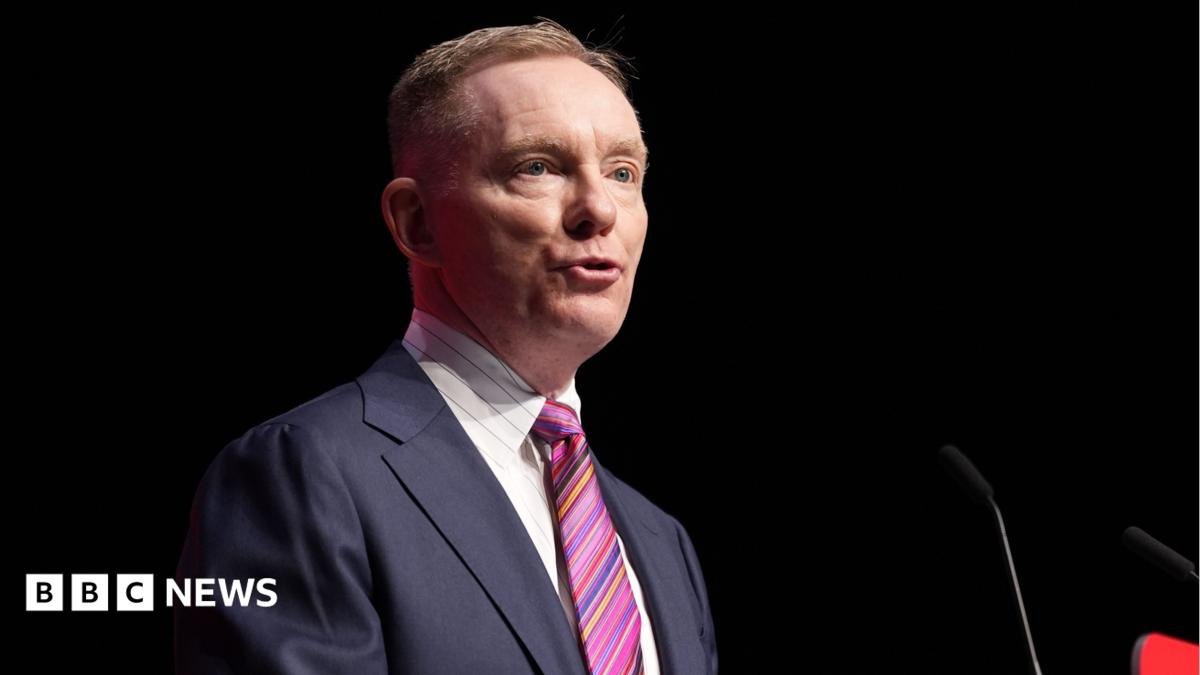
Northern Ireland Secretary Sir Chris Bryant has said two possible options were on the table during talks to resolve the Drumcree parade dispute.
Sir Chris banned the contentious Orange Order parade at Drumcree on Friday after an agreement couldn’t be reached between the Portadown District Lodge and the Gavaghy Road residents.
The dispute led to a stand-off between Orangemen and nationalist residents of the Garvaghy Road in Portadown lasting almost two weeks.
Sir Chris’ decision followed a warning from the Police Service of Northern Ireland (PSNI) chief constable that allowing the procession to go ahead could lead to serious injury, disorder and wider unrest across Northern Ireland.
One proposed compromise, he said, would have allowed the Orangemen to complete one final march along the Garvaghy Road, on the condition it would not apply to march the route again.
The other would have seen the group accept that it had won the right to march, but agree not to exercise that right.
Sir Chris said he believed an agreement had been close, but talks between the lodge and residents ultimately failed.
Speaking to BBC Radio 4’s Today programme, he defended his decision to stop the parade, saying he could not see how the procession could safely take place.
He also said Stormont’s power-sharing institutions had proved more resilient than expected, despite concerns the dispute could lead to the collapse of the Northern Ireland Executive.
The stalemate has reopened what was once one of the most bitter parading dispute in Northern Ireland, with stand-offs in the mid-to-late 1990s accompanied by riots, roadblocks and killings.
For decades, the situation at Drumcree has settled into a relatively minor stand-off that no longer made headlines, however that changed when the Parades Commission ruled that the march, on Sunday 27 September, could go ahead with restrictions in place.
That parade did not happen and, after a series of talks between residents and Orangemen, the secretary of state has banned the procession.
