



Key events
Will Democrats regaining control of congress be enough to end the war?
Roxanne Magnuson from Oregon, USA asks in a reader callout: Even if Democrats are successful in regaining the congressional balance, will that be enough influence to end this war? How can it be accomplished?
Lauren Gambino: Not necessarily. Trump has said he thinks Iran is waiting for the midterm elections to reach a deal, hoping that Republican losses will give Tehran an edge in negotiations. If he’s right, the post-election period could see efforts to reach a lasting deal even before a new Congress is sworn in in January. But if that doesn’t happen, and assuming Democrats win at least one chamber of Congress, they could use their new powers to launch public hearings, subpoena defense officials and generally demand more transparency regarding the war’s objectives and costs – both in terms of lives and taxpayer dollars. For example, my colleague Joseph has written extensively about Democrats’ demands for more information about the treatment of servicemembers wounded in the war, as well as the decision-making that led to a 28 February strike on a school in Minab, Iran, which killed more than 150 civilians, most of them children.
Democrats have promised to continue to introduce war powers resolutions as a symbol of the growing bipartisan discontent with the conflict, though Trump would retain the ultimate veto power.
Democrats could also leverage Congress’s “power of the purse” to try to reign Trump in through the budget process – ie “defunding” the war. The Congressional Budget Office, the nonpartisan Congressional scorekeeper, estimates the war will cost a minimum of $2bn a month – so, in theory, the next time the White House asks for additional money to fund the war, Democrats could say no.
We’re live and taking your questions!
Andrew Roth, Joseph Gedeon, Lauren Gambino, Will Craft and Robert Tait are answering your questions now.
Welcome to the conversation
Welcome to our latest US midterms live Q&A – just over a month away from election day on 3 November.
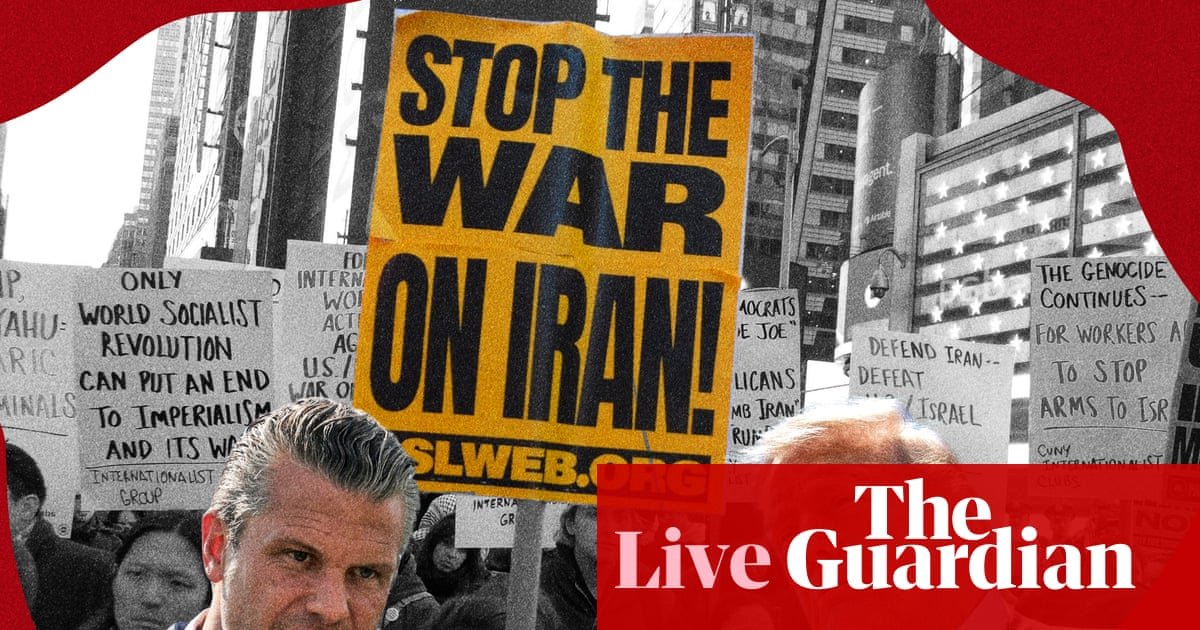
The war with Iran has had major implications for Americans’ wallets, government spending and US foreign policy. It’s has also been an important factor in reshaping the political landscape as the war enters its eighth month, with the 2026 US midterms quickly approaching.
Our team of reporters has helped readers understand the costs of the war and political consequences for Trump and candidates running in November. So, how could the war affect US voters at the polls?
Joining us on Tuesday at 12pm ET are senior political correspondent Lauren Gambino, political breaking news reporter Joseph Gedeon, global affairs correspondent Andrew Roth, data editor Will Craft and political correspondent Robert Tait.
Sign in or sign up to join the conversation.
The US politics team is hosting a series of reader Q&As leading up to the November US midterm elections. See our first two conversations, here:
Looking for more coverage ahead of the midterms? Sign up to The Stakes newsletter: your weekly guide to the US midterms
