



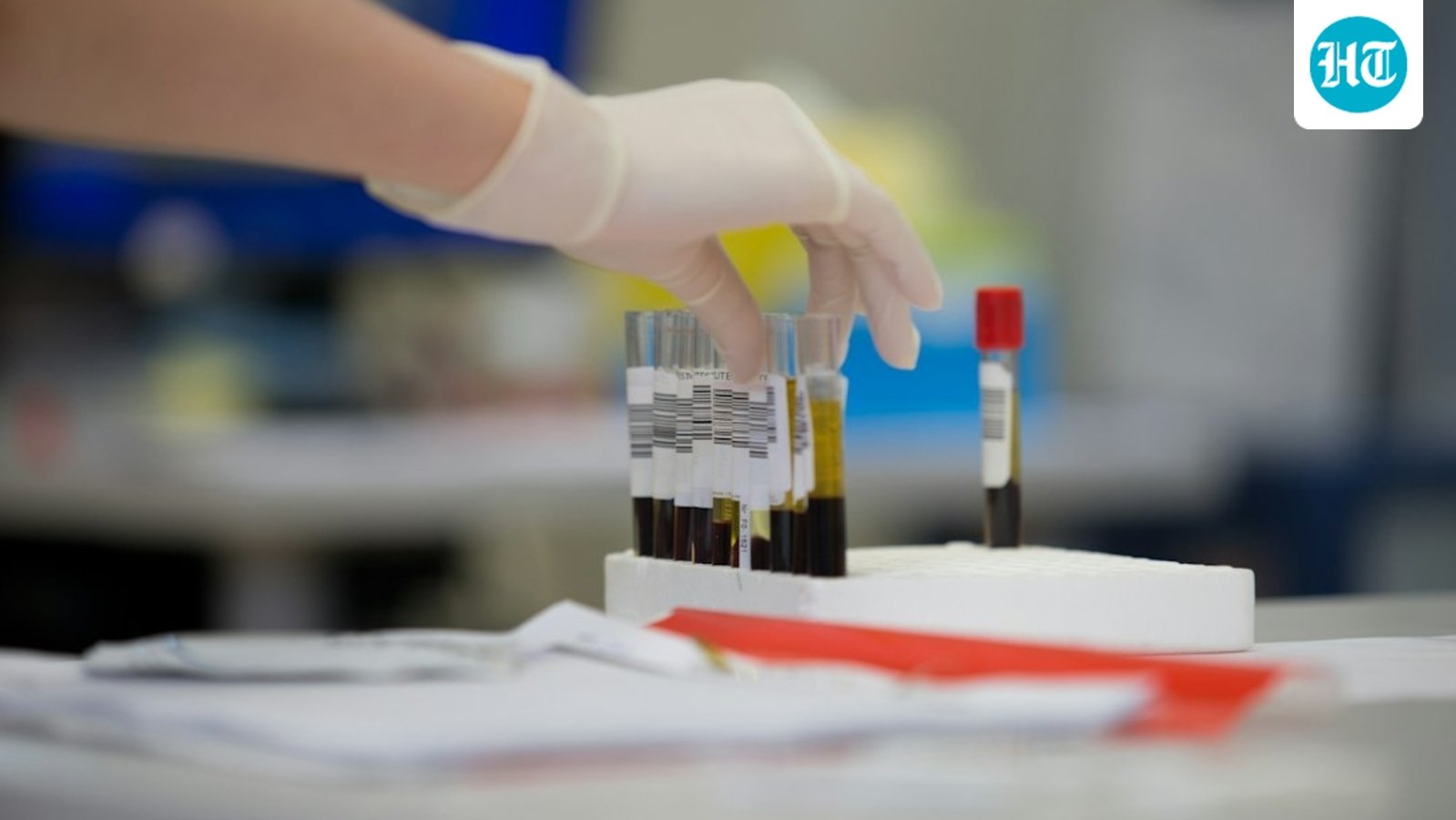
Routine blood tests may tell you that everything looks fine on paper, but do they really give you the full picture? Standard health panels typically cover only a handful of markers and may not shed light on underlying hormonal, metabolic or nutritional concerns. If you’re dealing with persistent fatigue, low mood, PCOS, acne, and other symptoms, it may be worth considering more in-depth testing.
Nikita Bardia, a Kolkata-based dietician and health and fitness coach with 10 years of experience, has shared nine blood tests that are not typically included in routine health panels but may offer valuable insights into overall health risks.
In an Instagram video shared on September 8, the dietician highlights, “Most Indian 20s and 30s get routine blood work that looks okay on paper. But what if I told you some of the most important tests for your hormones, gut, and metabolism are never even suggested? Here are the lesser-known, but highly impactful tests I recommend – especially if you’re: always tired, vegetarian, have PCOS, acne, hair loss, or low moods and struggling with fat loss.”
Ferritin – not just haemoglobin
According to Nikita, you can be iron deficient even if your haemoglobin levels are normal, as ferritin reflects your stored iron. The ideal range is 40 to 100 ng/mL, especially for women.
Homocysteine – the ‘silent stress’ marker
The dietician points out that this test can offer an early indication of ageing and cognitive issues. Elevated levels may indicate low vitamin B12 and folate levels, as well as inflammation.
hsCRP (high sensitivity CRP)
This test directly measures inflammation but is often overlooked during routine health check-ups. If you experience bloating, fatigue or autoimmune symptoms, it may be worth getting tested.
Reverse T3 – for thyroid fatigue
If your TSH levels are normal but you still feel off, Nikita recommends getting your reverse T3 levels checked. This test can help assess whether your thyroid hormones are being properly utilised by your cells.
Vitamin D3 + ionised calcium combo
According to the dietician, many Indians, particularly women and vegetarians, may have poor vitamin D3 utilisation. This combination test can help determine whether the vitamin is being properly absorbed and utilised, rather than simply being present in the body.
ApoB or Lp(a) – beyond LDL
Just knowing your LDL level may not be enough to assess your heart risk. ApoB and Lp(a) are advanced lipid markers that can offer a clearer picture of cardiovascular risk, especially if you have a family history of heart disease.
Gut health panel or zonulin
If you experience skin issues, IBS or mood swings, testing for gut permeability or microbiome imbalances may help identify potential underlying issues.
Fasting insulin – not just sugar levels
Many people develop insulin resistance before they become diabetic. This test can offer insights into insulin sensitivity, fat loss and energy management. According to Nikita, an ideal fasting insulin range is 2 to 8 uIU/mL.
Serum magnesium (not on basic panels)
Magnesium deficiency is common among people following high-stress or vegetarian diets. Nikita highlights that it can affect sleep, muscle function, cramps, cravings, PMS and anxiety.
Note to readers: This article is for informational purposes only and not a substitute for professional medical advice. It is based on user-generated content from social media. HT.com has not independently verified the claims and does not endorse them.
