



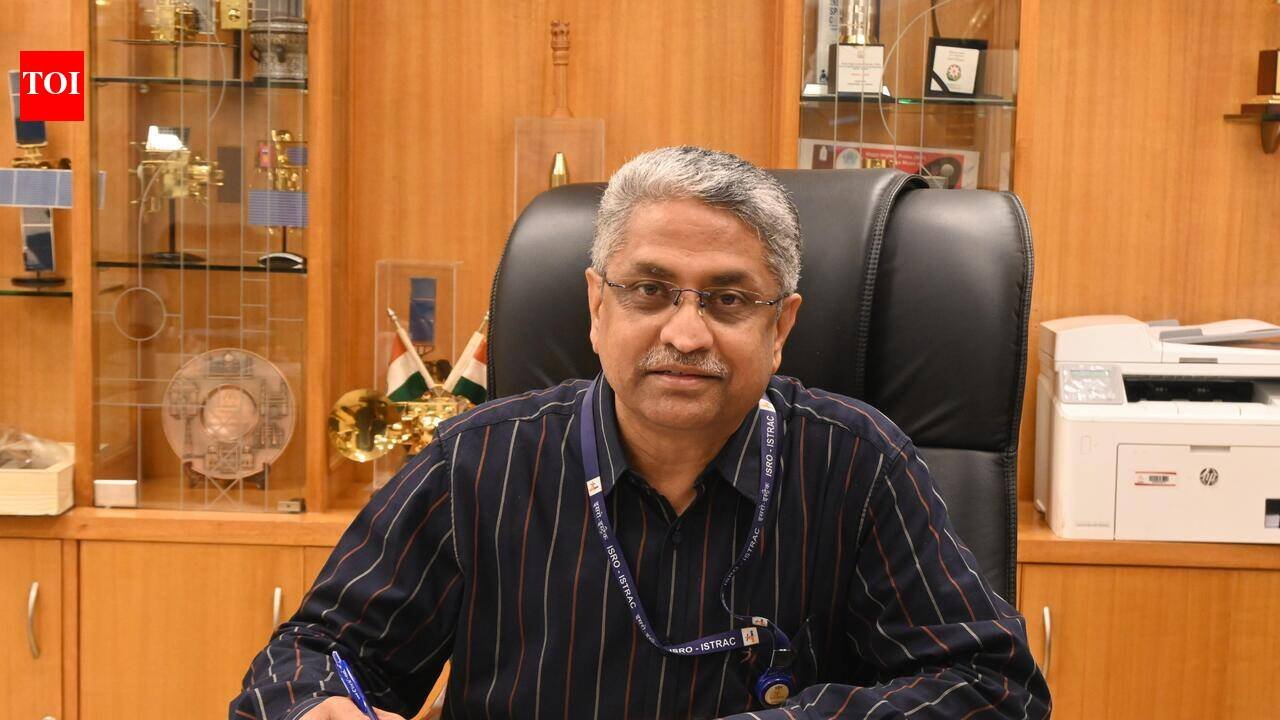
Bengaluru: Urging the future generation and aspiring scientists to work hard, Isro Telemetry, Tracking and Command Network (ISTRAC) director MR Raghavendra pointed out that many scientists come from the villages of India.Inaugurating World Space Week celebrations at Jawaharlal Nehru Planetarium here, he said, “They (scientists) are not from IITs or from very reputed organisations or gold medalists. It’s not necessary. Only because of their knowledge, their hard work and the will to do something in their life that brought them to that level. It is due to constant learning. Never stop learning.”In what was a gallery filled with enthusiastic school students, he spilled the beans on what it takes to be a good scientist in India. Acknowledging that only a few children in the gallery might take up space science, while the rest might deviate to other disciplines, he reminded: “If you are interested in space science and space technology or in the field of science, you have to get very good marks in math and science.”While recognising India’s significant advancement in space research, the scientist expressed the need for the next generation to take the baton forward and ask more questions. Raghavendra also highlighted that India has risen from launching satellites weighing 35kg to around 6 tonnes now.Before concluding the address, Raghavendra sought teachers to encourage children to ask questions while they themselves should constantly update their knowledge.More than a hundred students participated in space- and astronomy-themed quiz and painting competitions along with a workshop on Mars Rover as part of the space week.“I learnt how Isro and rockets work. I was always curious about space. Space research is really important. One day, I really wish to go to space,” said Harshit S, a Class 9 student of Sri Saraswathi Vidya Mandir Magadi.His classmate, Sai Prajrumbh, added: “I earlier used to think stars were white in colour. Programmes like these help us learn more.”
