



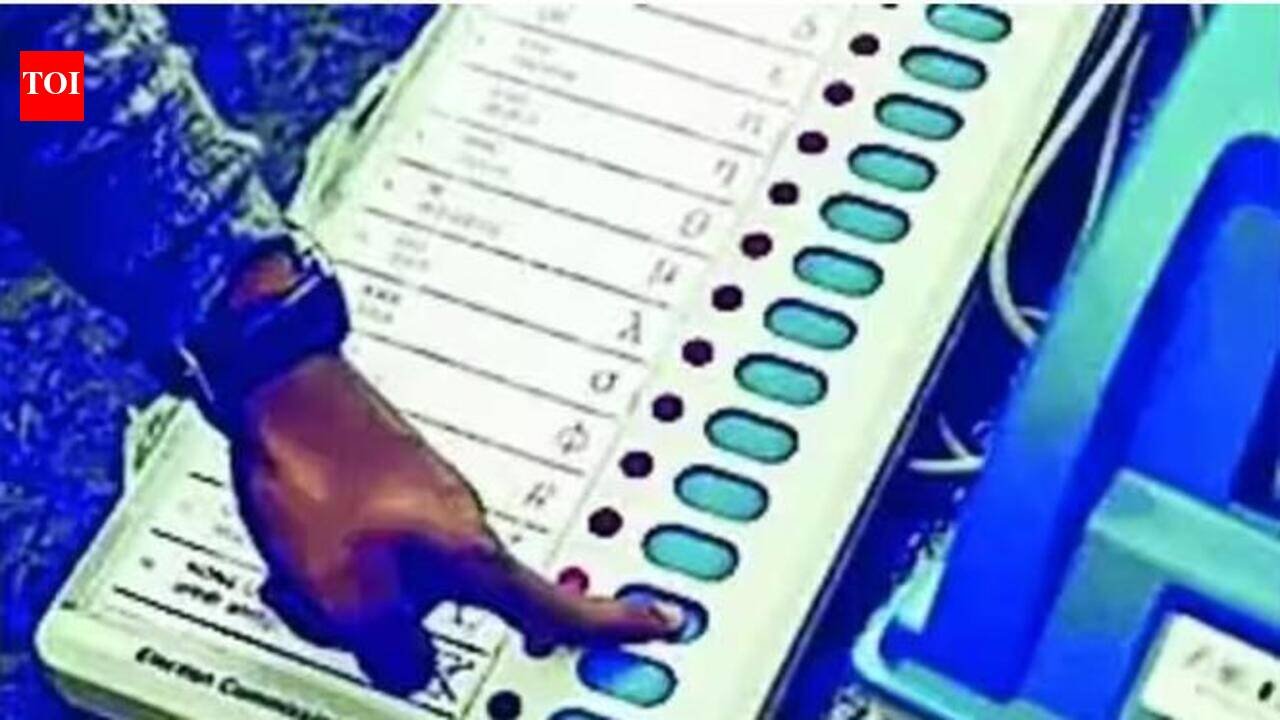
Jaipur: Model code of conduct (MCC) will come into force across rural Rajasthan Saturday with the announcement of the Panchayati Raj election schedule, triggering a freeze on transfers and bringing govt decisions in rural areas under electoral restrictions. State Election Commission (SEC) has called a news conference at 3 pm on Oct 3 to announce the poll schedule. The code is likely to remain in force for around two months.Elections are expected to be held in four phases, with ballot papers to be used for electing sarpanch and ward panch, while EVMs will be deployed for elections to panchayat samiti and zila parishad members.A day before MCC comes into force in rural areas, panchayati raj minister Madan Dilawar Friday directed officials to expedite the installation of streetlights across villages in a phased manner to ensure safer night-time movement. He called for adequate lighting at public places, including main habitations, roads, markets, bus stands, panchayat buildings, schools, Anganwadi centres and health centres.Priority should be given to slum areas and SC/ST habitations, he said. Where regular power supply is unavailable, solar-powered streetlights should be installed.Dilawar also directed a campaign to cover open borewells and appoint nodal officers to resolve problems related to cremation grounds, playgrounds and disposal of dead animals.The elections will see nearly 1.69 lakh new representatives elected to Rajasthan’s three-tier Panchayati Raj institutions. These include 1,403 zila parishad members and 8,245 Panchayat Samiti members, who will subsequently elect 41 zila pramukh and pradhan in 457 panchayat Samiti.At village level, elections will be held for sarpanch and 1,26,853 ward panch across 14,403 gram panchayat, along with the election of deputy sarpanch.Women will account for half of the elected representatives under the 50% reservation provision in Panchayati Raj institutions. Of the 41 zila pramukh posts, 20 are reserved for women, while 221 of the 457 pradhan posts will go to women. The elections will also see 7,200 women elected as sarpanch and over 63,000 women as ward panch.
