



For years, getting into a major beauty retailer was treated as the ultimate marker of legitimacy for emerging brands in the industry. A Sephora, Ulta Beauty or national mass-market launch could transform an emerging label into an industry success story almost overnight. Today, the prestige of that placement remains in many ways, but the impact of it has changed.
A prominent retail partnership is no longer a finish line; rather, it’s a starting point, a high-stakes test of whether a brand can finance inventory, absorb tighter margins, satisfy compliance requirements, fund marketing and keep customers coming back once launch-day excitement fades.
Retailers want more than a strong product. They also expect differentiation, an engaged community, reliable fulfillment and a plan for sustained sell-through. Brands, meanwhile, must determine whether the exposure is worth the cash, control and capacity the partnership demands.
What “Retail-Ready” Means Now
“Retail-ready isn’t just having a great product anymore. It’s having a business that’s ready to be put under a microscope,” says Kate Souied, head of marketing at FlutterHabit, which recently entered Sephora. “Retail doesn’t fix your business; it puts it on full display.”
That scrutiny begins before the first purchase order.
Jessica Phillips, vice president of merchandising at Ulta Beauty, says the retailer looks for brands with differentiated innovation, compelling storytelling and an operational foundation capable of translating an existing consumer connection into retail. “Being retail-ready today means much more than having a great product,” she says. “The strongest brands have begun building an engaged community and have the operational foundation and long-term vision to translate that connection into retail.”
Credo Beauty Co-Founder and CEO Annie Jackson starts with an even more basic requirement: a strategy. “‘I’ll take a PO [purchase order] from anyone’ is not a strategy,” she says. A brand should understand which retail partners serve its positioning and can add growth without taking business away from the channels it has already built, Jackson explains. Credo launches only 12 to 15 brands a year, and a clear point of difference is the most persuasive sign of readiness.
Photo: Smith Collection/Gado/Getty Images
At Ulta, success is measured through sales as well as whether a brand attracts new shoppers, encourages repeat engagement and remains relevant across the retailer’s omnichannel ecosystem. For Credo, the calculation is more direct.
Beyond sales, Jackson says, success is rarely measured by anything other than productivity per unit of shelf space. “We can’t afford to run a store like it’s a museum,” she says, pointing to the fixed costs and thin margins associated with physical retail.
Related: How Beauty Became Obsessed With Bold, Expressive Packaging
The Cost of Getting on the Shelf
For founders, the celebratory retail partnership launch announcement can obscure the less glamorous question underneath it: Can the business afford to succeed at said retailer?
Veronica Pedersen, founder of Timeless Skin Care, asked precisely that before expanding into more than 1,500 Target stores. The company estimated how much product it would need, secured raw materials and packaging components and assessed its production capacity for both the initial order and rapid replenishment if the products took off. Its in-house manufacturing gives the brand direct control over quality and production, but the rollout still required systems for purchase-order processing, electronic data interchange and vendor compliance.
“One of the biggest misconceptions is that a purchase order is the same thing as profitability. It is not,” Pedersen tells Fashionista.
Before saying yes to national distribution, founders must determine whether they can finance inventory, support marketing, absorb payment terms and meet increased demand without weakening the rest of the company. Timeless forecasts 12 to 24 months out across direct-to-consumer, Amazon, national retail and international distribution.
Liz Folce, founder and CEO of Nakery Beauty, has observed the same shift over more than 30 years in the beauty industry. Retailers can quickly see what is selling, converting and driving repeat purchases, leaving brands with less time to find their footing.
“You’re not handing a retailer your product and expecting them to build the business for you,” she says. “You need to come with inventory, marketing support, content, sampling, education and a plan to drive the customer to that retailer.”
Those needs create a long list of expenses. Inventory is financed ahead of payment. Packaging may need to change. Then come displays, testers, samples, freight, retailer programs, advertising, education, customer support, potential deductions and additional staffing. If an item sells faster than expected, the company needs more product and working capital immediately. If it moves slowly, cash remains trapped in inventory.
Souied puts the first requirement more plainly: “Cash,” she jokes. “Seriously though, retail is expensive before you ever make a dollar back.”
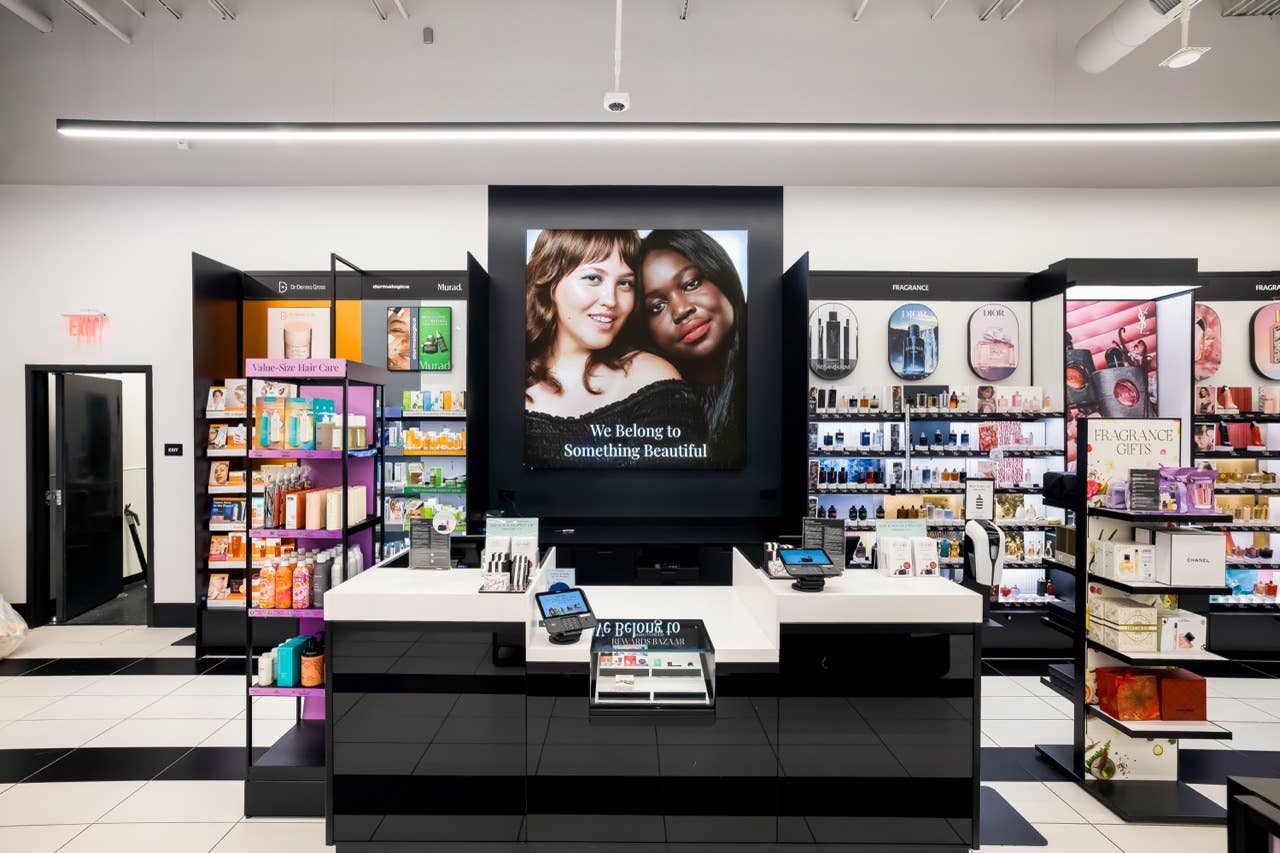
Photo: Courtesy of Sephora
Building the Retail Engine
That transformation became clear for hair- and scalp-care brand Nutrire while preparing to launch at Ulta through the retailer’s Sparked program. General Manager Kristen Chase says the company was not originally built for wholesale, so preparing for national retail required it to rework its forecasting, inventory planning and fulfillment while developing a trade-marketing capability.
“[P]reparing for Ulta meant rewiring a big part of our operation,” Chase says. “Selling direct to a guest and supplying a national retailer are two different disciplines.”
Nutrire invested in clinical testing, packaging, creator relationships and consumer education while keeping its internal team lean. It also brought all nine products in its scalp-to-strand system to Ulta rather than fragmenting the assortment.
By the end of the process, Chase says, the team understood that retail readiness was less about preparing for a single launch and more about building an engine capable of performing week after week.
Related: Is Private Equity’s Involvement in Beauty Stifling Brand Individuality?
Every Retailer Has Its Own Playbook
Every channel and each retailer demands a different version of retail readiness. While there is of course plenty of overlap, what works for one may not necessarily be true for another.
Folce says Nakery approaches Ulta, Amazon and HSN as separate environments: Ulta depends on physical and digital discovery, packaging, positioning and education. Amazon rewards search visibility, reviews, advertising and conversion. HSN relies more heavily on storytelling and product demonstration.
Timeless, menawhile, takes a similar approach across its retail partners Target, Amazon, Nordstrom and Macy’s. Not every product belongs in every channel, Pedersen says, and more distribution does not automatically equal better distribution.
Ryan Siegel, co-founder of beauty-hydration brand H2Glow, prioritizes audience alignment, data transparency, pricing protection and commercial terms over a retailer’s size.
“A smaller partner with the right audience always outperforms a massive retailer where your core customer isn’t looking,” he says.
The question is not simply whether a retailer will accept a brand, but whether the partnership will strengthen the business. Jackson advises brands to ask retailers for explicit sales expectations and a clear definition of what could lead to discontinuation. Waiting until performance slips to discuss a turnaround may be too late.
Access to the merchant matters, too. Jackson notes that one merchant may oversee 20 or more brands, so founders should determine whether they will be able to discuss the business at least monthly. Brands should also understand the cost of samples, gratis, co-op marketing and field coverage.
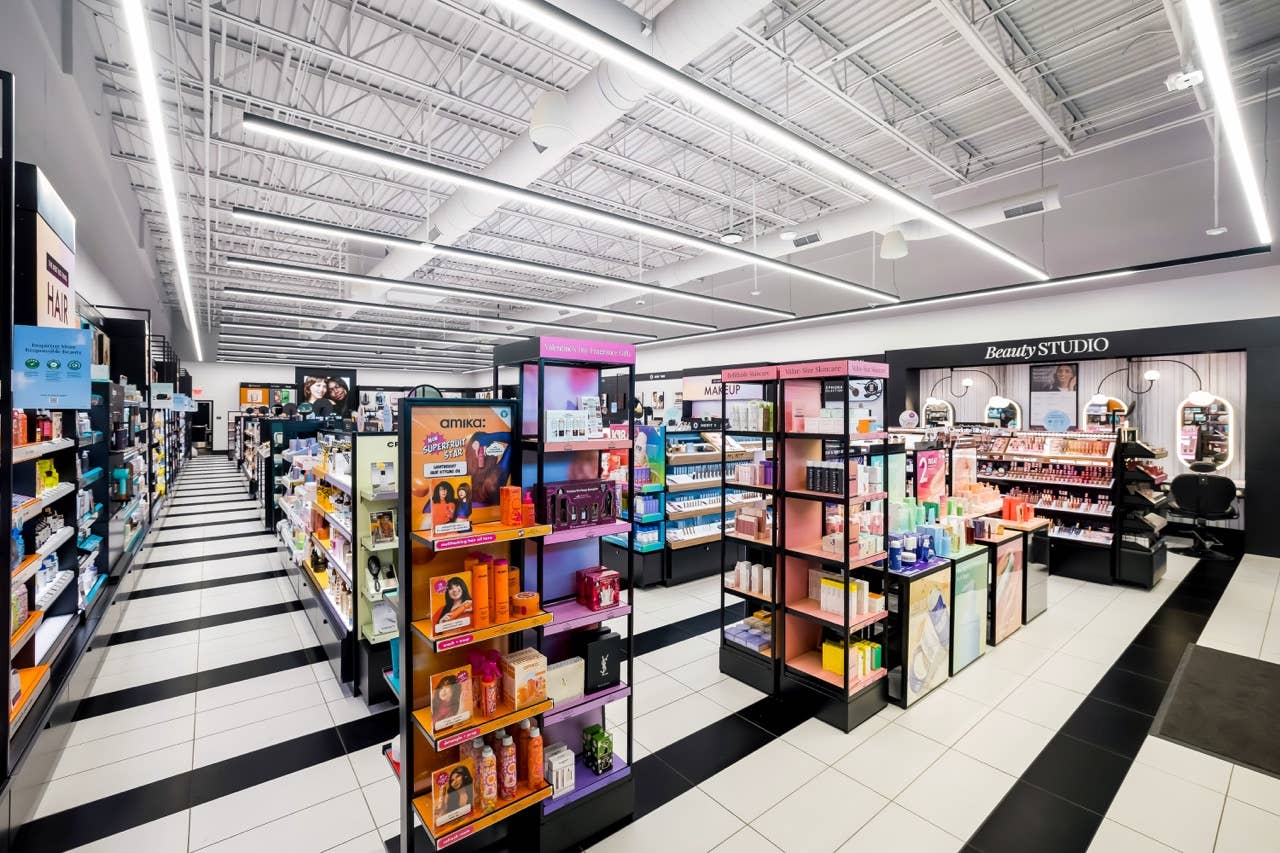
Photo: Courtesy of Sephora
What Retailers Bring to the Partnership
Retailers say they are trying to help emerging brands close some of these gaps. Phillips points to Ulta’s MUSE Accelerator, which has supported more than 32 emerging brands with more than $1.5 million in funding and over 150 hours of coaching since 2022. Ulta can also connect partners with third-party logistics providers and offer customized merchandising, digital storytelling, education and in-store experiences.
“Supporting emerging brands goes far beyond providing shelf space,” Phillips says. “We think about how we can support founders at different stages of their journey and help build businesses positioned for long-term success.”
Chase says Ulta’s support of Nutrire exceeded her expectations, while Phlur Chief Marketing Officer Erica Dunivan credits Sephora with helping the fragrance brand expand from the U.S. and Canada into the Middle East, Mexico and Europe. “Sephora is a true brand growth partner,” she says. “They have a deep understanding of Phlur and our point of difference.”
Those examples show what a productive partnership can unlock: scale, credibility, new markets and consumer discovery that would be difficult for an emerging brand to build alone.
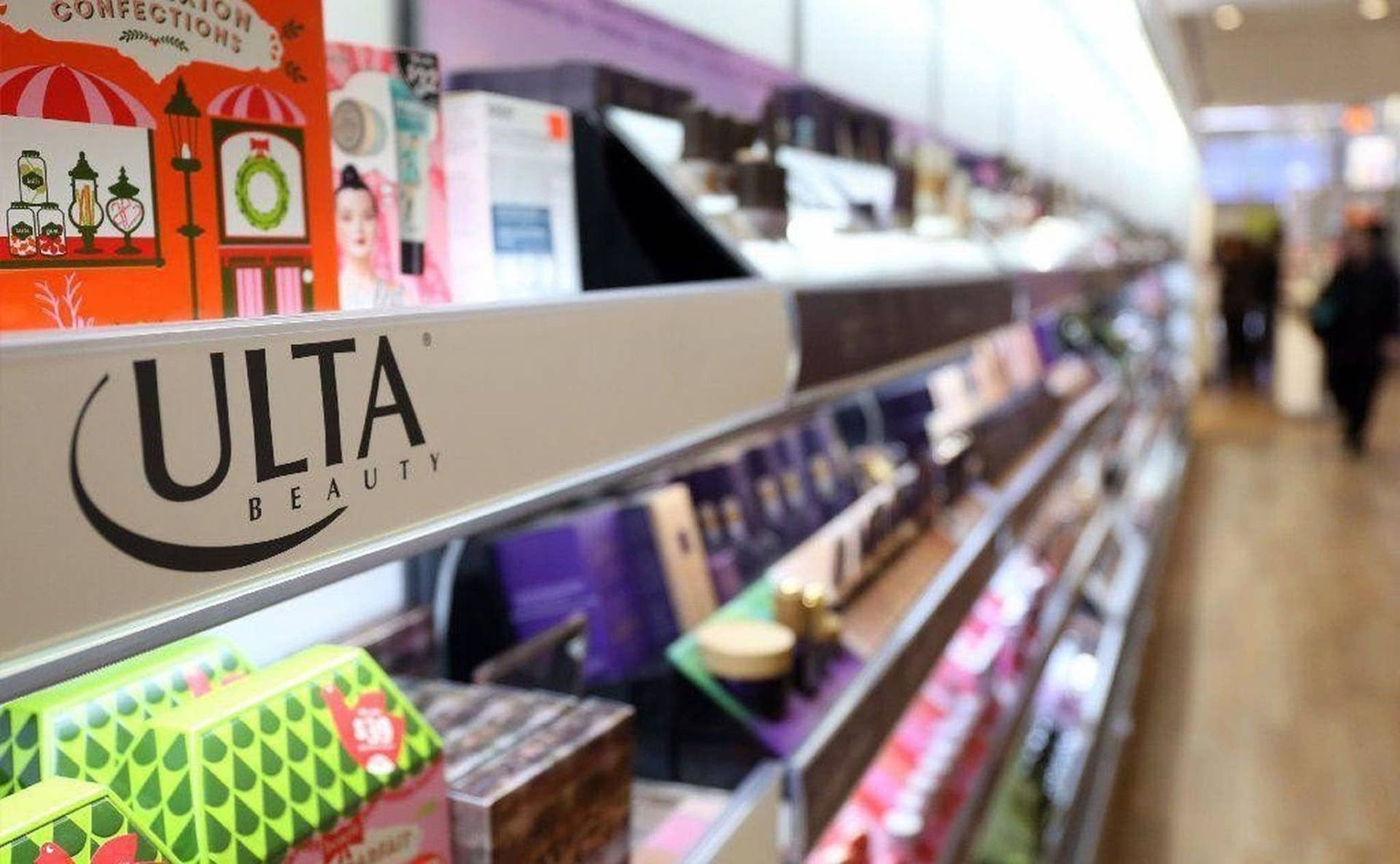
Photo: Brian Cassella/Chicago Tribune/Tribune News Service via Getty Images
Sell-Through Is the Real Finish Line
The danger arrives when scale becomes the strategy. A crowded shelf can pressure brands to adapt their assortments, packaging or messaging in ways that make them easier to merchandise, but harder to distinguish.
The sources Fashionista consulted for his story draw their boundaries in different places. Siegel considers pack configurations and promotional timing flexible, but calls H2Glow’s pricing integrity and narrative “sacred.” Folce will change Nakery’s assortment by retailer, but not its focus on women over 50. Dunivan says Phlur adjusts campaigns for local markets while keeping its fragrance storytelling consistent.
Even with the right partner, placement does not create demand on its own. Phillips says the biggest misconception founders hold is that getting onto the shelf is the finish line. “In many ways, that’s when the work really begins,” she says.
Souied is sharper: “Shelf space is an opportunity, not a marketing strategy.”
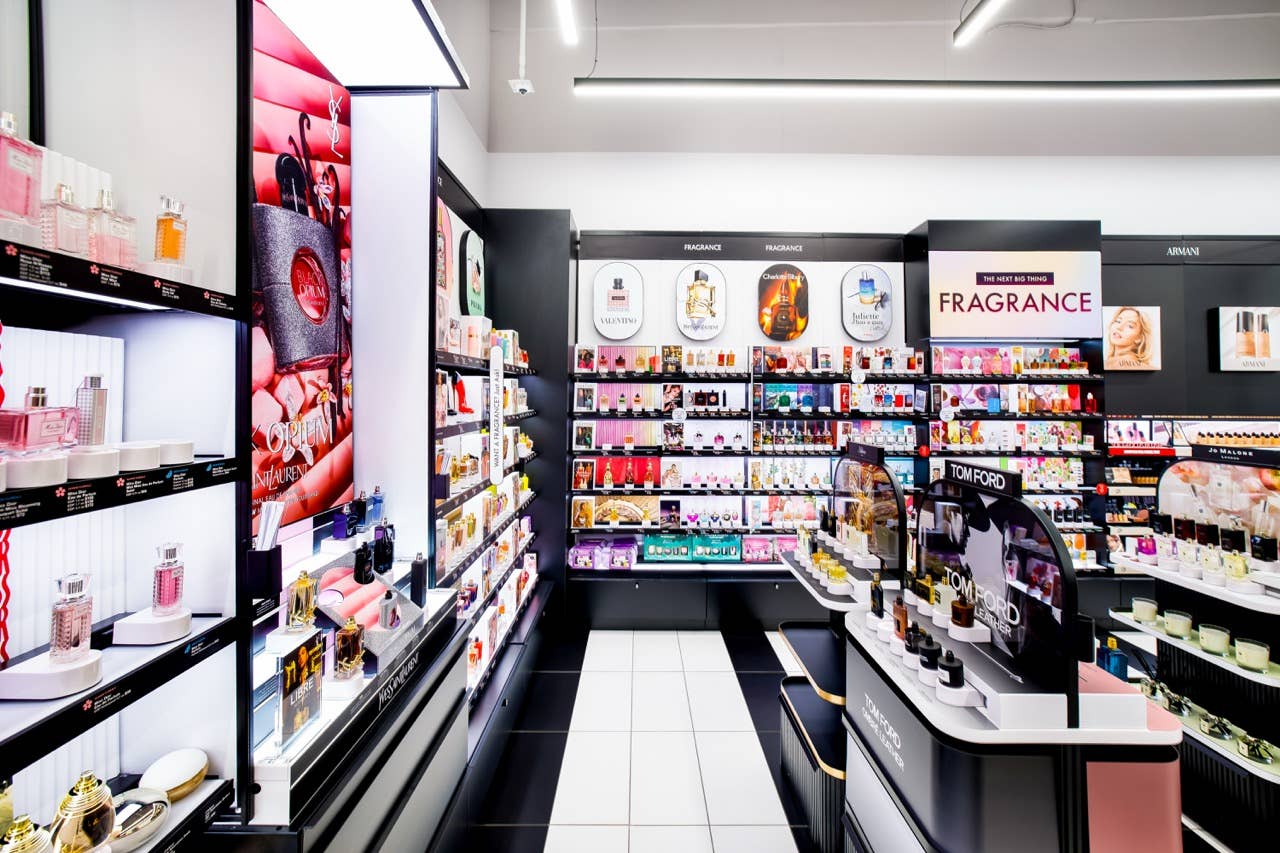
Photo: Courtesy of Sephora
That reframing changes the metric that matters. Door count may make an impressive press release, but velocity reveals whether the business is working.
“Getting in is not the win, but selling through is,” Siegel says. “Watch how fast the product moves per store, not how many stores you are in.”
Major retail can still be transformative. But the new definition of readiness asks brands to prove much of what retail once promised to create: consumer awareness, community, operational maturity and a reason to believe the business will last.
The shelf is not a trophy. It is a weekly performance review, and the brands most likely to survive it are the ones willing to ask not only “Can we get in?” but “Should we, and can we afford what happens next?”
