



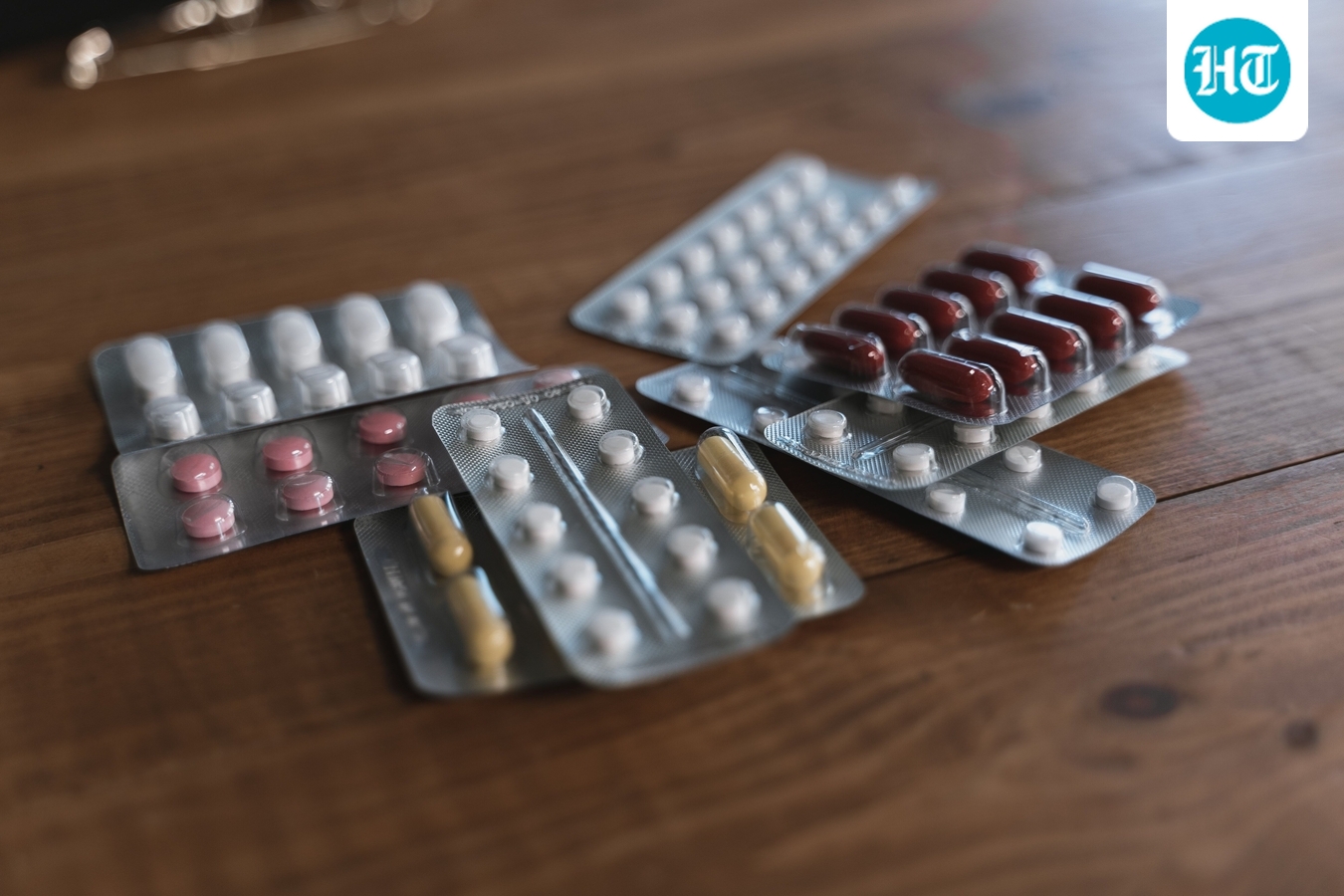
You have probably opened a medicine strip countless times without giving much thought to the shiny layer covering each tablet. You press a pill through the thin foil, tear open a strip and take the medicine, but have you ever wondered why tablets are sealed this way in the first place? Why aluminium, and why are some medicines packed differently from others? The packaging may seem like a small, everyday detail, but it is carefully designed for a reason. So, what exactly is that shiny foil doing around your medicine? Let’s find out.
Why is aluminium used in medicine packaging?
According to the World Health Organisation (WHO), pharmaceutical packaging needs to protect medicines from environmental factors such as moisture, light and reactive gases, including oxygen. These factors can affect the stability and quality of certain medicines over time.
Aluminium foil is useful because it provides a strong barrier against these elements. It is also opaque, which means it can block light from reaching medicines that may be sensitive to it.
For some medicines, exposure to moisture can cause physical or chemical changes, while oxygen and light can contribute to degradation. As per a review published on PMC, pharmaceutical packaging is designed to protect medicines from moisture, light, oxygen, contamination and physical damage.
Why do some tablets need more protection?
Not every medicine has the same packaging because different formulations have different stability requirements. Some medicines may be relatively stable, while others can be more sensitive to humidity, light or oxygen.
As per WHO guidance, aluminium-based blister packs can be used when medicines need protection from factors such as moisture and light. Depending on the product, packaging may contain aluminium on one side along with plastic or other barrier materials.
Some medicines that require a higher level of protection may instead be packed in Alu-Alu blister packs, where aluminium is used on both sides of the blister.
Does the foil make medicine last longer?
Not exactly. The aluminium foil does not increase a medicine’s shelf life on its own. Instead, the packaging helps maintain the conditions under which the medicine has been tested to remain stable throughout its intended shelf life.
According to the US Food and Drug Administration (FDA), manufacturers conduct stability testing to determine how a medicine behaves under different conditions and to establish its shelf life.
For example, an FDA review of a desmopressin tablet found that its foil-foil blister packaging provided protection against moisture and light during stability testing.
So, the next time you peel open a medicine strip, remember: that shiny foil isn’t just packaging. It acts as a protective barrier, helping shield the medicine from moisture, light and oxygen and maintain its stability until you need it.
