



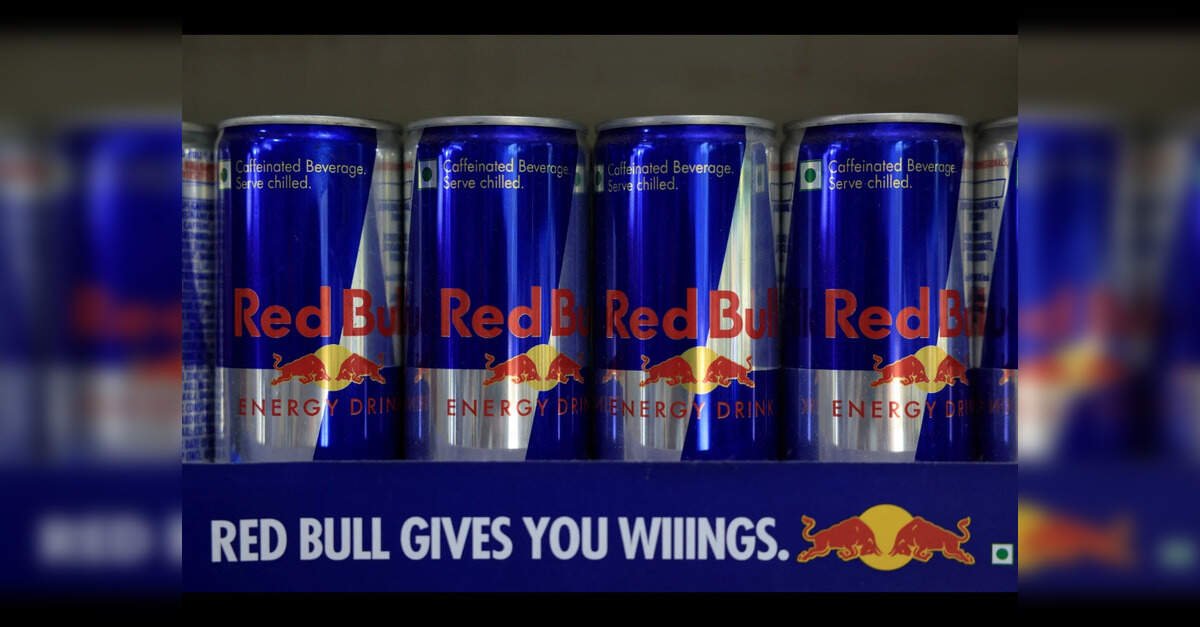
The Delhi High Court has set aside an order by the Food Safety and Standards Authority of India (FSSAI) directing Red Bull India to remove the term “energy” from its drinks.
Justice Amit Mahajan allowed Red Bull India’s petition on the limited ground of violation of natural justice. The court, however, granted the food regulator liberty to take a fresh decision after issuing a show-cause notice to the company and providing it an opportunity of hearing.
The court also clarified that FSSAI would be at liberty to pass a fresh order after following due process of law.
Red Bull had moved the High Court challenging FSSAI’s order, contending that it had neither been issued a show-cause notice nor given an opportunity of being heard before the regulator passed the order.
The dispute stems from FSSAI’s July 1 order directing Red Bull, Sting, Adrenaline Rush, Campa Gold Boost, Hell Energy and Monster to drop the word “energy” from their labels, marketing and advertisements within 90 days.
The regulator had said it did not recognise “energy drink” as a category, citing the absence of defined category standards. It had also raised concerns that claims such as “vitalises body and mind” could mislead consumers.
At a meeting with beverage companies on July 24, FSSAI suggested that the products could instead be labelled as “caffeinated beverages”. Industry representatives opposed the nomenclature, arguing that it was too broad and could cover products ranging from soft drinks to coffee, potentially confusing consumers.
The industry has also pointed to FSSAI’s April 2024 communication, which had permitted the use of the term “energy drinks” for products licensed as “caffeinated beverages”. The regulator had earlier, in 2016, prescribed caffeine limits for such drinks and mandated disclosure requirements on labels.
The Indian Beverage Association, which counts Red Bull, PepsiCo and Reliance among its members, has sought a “consultative and risk-based approach before enforcement”, saying companies should be given an opportunity to present their technical and legal positions before enforcement action is taken.
