



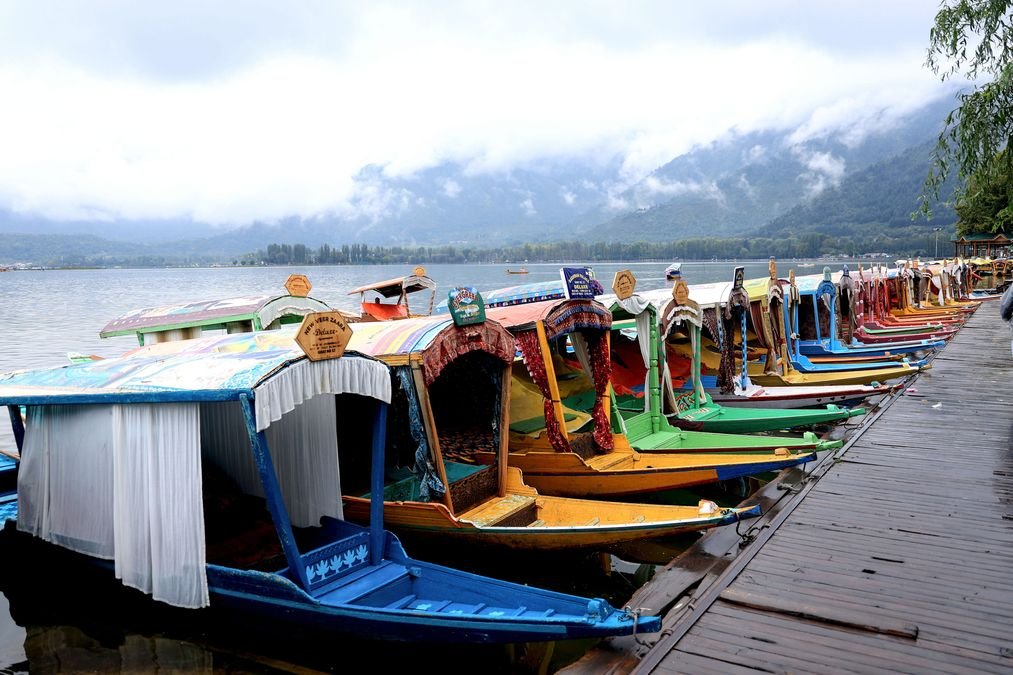
Jammu and Kashmir has never needed an introduction. Its mountains, lakes, meadows, shrines, gardens and diverse cultural traditions have long drawn visitors from across India and the world. Yet every fresh invitation to tourists must also remind us that tourism is not sustained by scenic imagery alone. It depends on confidence, connectivity, civic infrastructure, hospitality and the preservation of the very character that makes a place worth visiting. On World Tourism Day, Lieutenant Governor Manoj Sinha invited tourists to visit Jammu and Kashmir, describing it as “the crown of India” and a destination offering a “breathtaking and timeless experience enriched with warm hospitality.” The message is attractive, and the sentiment reflects the region’s enduring appeal. But it should also be read as a call to action for the administration, the tourism industry and local communities. Jammu and Kashmir’s tourism potential extends far beyond a few well-known destinations and a short summer or winter season. Gulmarg, Pahalgam, Sonamarg, Srinagar and Jammu remain important anchors, but the next phase of tourism must bring lesser-known areas into the economic mainstream without placing them under unsustainable pressure. Border villages, heritage towns, pilgrimage circuits, rural landscapes and emerging adventure destinations can offer visitors richer experiences while distributing economic benefits more widely. That expansion, however, must be carefully managed. Unplanned construction, traffic congestion, waste accumulation and pressure on fragile ecosystems can quickly damage the experience that tourists come to seek. The region needs responsible tourism policies that protect wetlands, forests, rivers and high-altitude areas. Carrying-capacity studies, effective waste management, better public transport and strict enforcement of environmental regulations should be central to tourism planning. Equally important is the role of local people. Tourism will be meaningful only when it creates stable livelihoods for residents—through homestays, handicrafts, transport, guiding, food services and cultural enterprises. Young people, women and small businesses should be enabled to participate fully in the sector. A visitor who receives warm hospitality should also encounter a community that benefits fairly from the visit. The Lieutenant Governor’s invitation should therefore be followed by sustained investment in infrastructure, skills and promotion. Safe roads, reliable connectivity, clean public spaces, trained guides and transparent services are not luxuries; they are the foundations of a modern tourism economy. Jammu and Kashmir can indeed welcome the world. But the strongest invitation will be a tourism model that is peaceful, responsible, locally rooted and respectful of nature. The crown must not merely sparkle—it must endure.
