



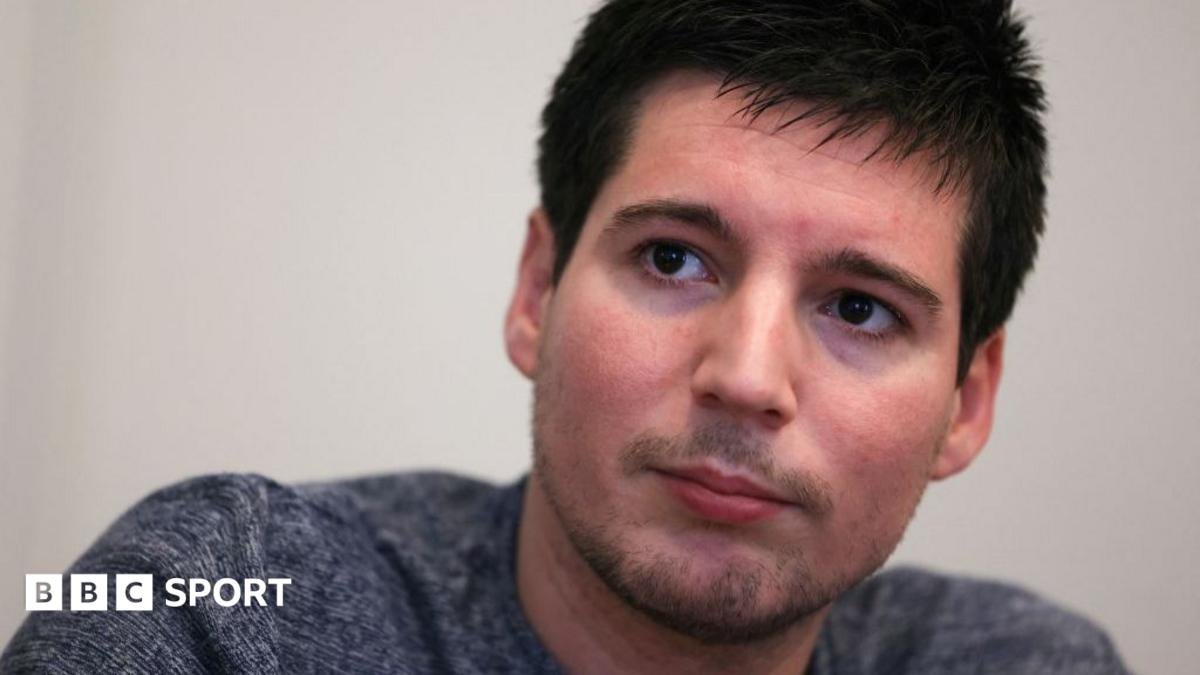
Pinto set up Football Leaks in 2015, to – in his words – expose “the hidden side of football”.
Antonio Varela remembers the website’s launch like it was yesterday. The Portuguese journalist was the first person contacted by Pinto, whose real identity would not be known for years to come, and was initially known by the pseudonym “John”.
“It was a common day of September 2015. I was at the news room at [Portuguese sports newspaper] Record and I got an email from Football Leaks. It was strange. Then I immediately go to the site, and I can’t believe there is lots of information that you never heard or read. We made the conclusion this is very, very important.”
Re-publishing what had been leaked by Pinto brought legal and ethical conundrums.
“We realised that [Football Leaks] got the information illegally. But since the moment they publish the information on the site, that’s public information,” said Varela.
“You can’t ignore that. Ethically, it’s complicated, but the public interest is more relevant than the ethical issue. That was the conclusion.”
It wasn’t just eight-time Premier League champions Manchester City that Pinto targeted.
The early revelations on Football Leaks focused on matters closer to home, with leaks around Benfica and even the side he supported, FC Porto.
Later, there were leaked documents and communications relating to some of the world’s most famous players, clubs and agents, including Cristiano Ronaldo, Lionel Messi and Neymar.
Pinto agreed to meet a journalist, Rafael Buschmann from the German magazine Der Spiegel. Once he knew he could trust him, he shared tens of millions of documents with him.
It was then up to a team of journalists in the Der Spiegel headquarters in Hamburg to meticulously go through it all, producing some of the most explosive articles the football world has ever seen.
Christoph Winterbach, a data journalist, was part of that team.
“In the beginning it was very much a fascinating feeling of like a child in a candy store,” he said.
“If you’re a football fan, if you’re a sports journalist, it was amazing to see the actual documents, to see those emails where things are negotiated and to get a real look behind the curtain, how things work.
“It’s very important when you have this type of documents, this type of data, that you make a lot of cross checks, that you use some software which we did that can put it all into context and you can see if there’s any reliability issues.
“We always need to make sure that it’s authentic material and whenever we publish something about it, it needs to be in the public interest to start writing.”
Winterbach finally met Pinto in person in 2019, when he was being held in prison in Lisbon awaiting his trial. He conducted another interview with Pinto in witness protection, in a secret location with high security, describing the arrangements for getting there as being “like a Hollywood movie”.
He said: “Rui Pinto is not very tall. He has very distinctive hair, like spiky hair. He usually has red cheeks and he’s a youthful, cheeky, funny character. He’s friendly and warm when you meet him.
“He’s a very impressive character, he’s very focused, he’s very concentrated. He’s very, very intelligent. He’s very idealistic about the topics that he uncovered.
“He’s one of the most important whistleblowers that we have in Europe or maybe the world.”
In all, Pinto provided more than three terabytes – equivalent to about 3,000 copies of the Encyclopedia Britannica – of information to Der Spiegel and other outlets in the European Investigative Collaborations consortium.
